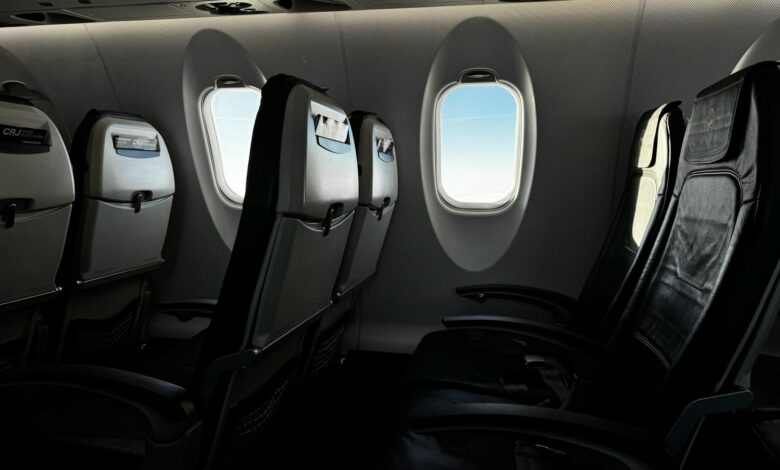
The luxury of first-class domestic flying is quietly disappearing from American skies. Major carriers including American Airlines, Delta, and United have systematically removed first-class cabins from their domestic fleets, replacing premium seating with business class configurations that maximize both revenue and passenger capacity.
This shift represents more than a simple rebranding exercise. Airlines are fundamentally restructuring their domestic offerings to align with changing passenger expectations and economic realities that prioritize efficiency over extravagance.
The Economics Behind the Elimination
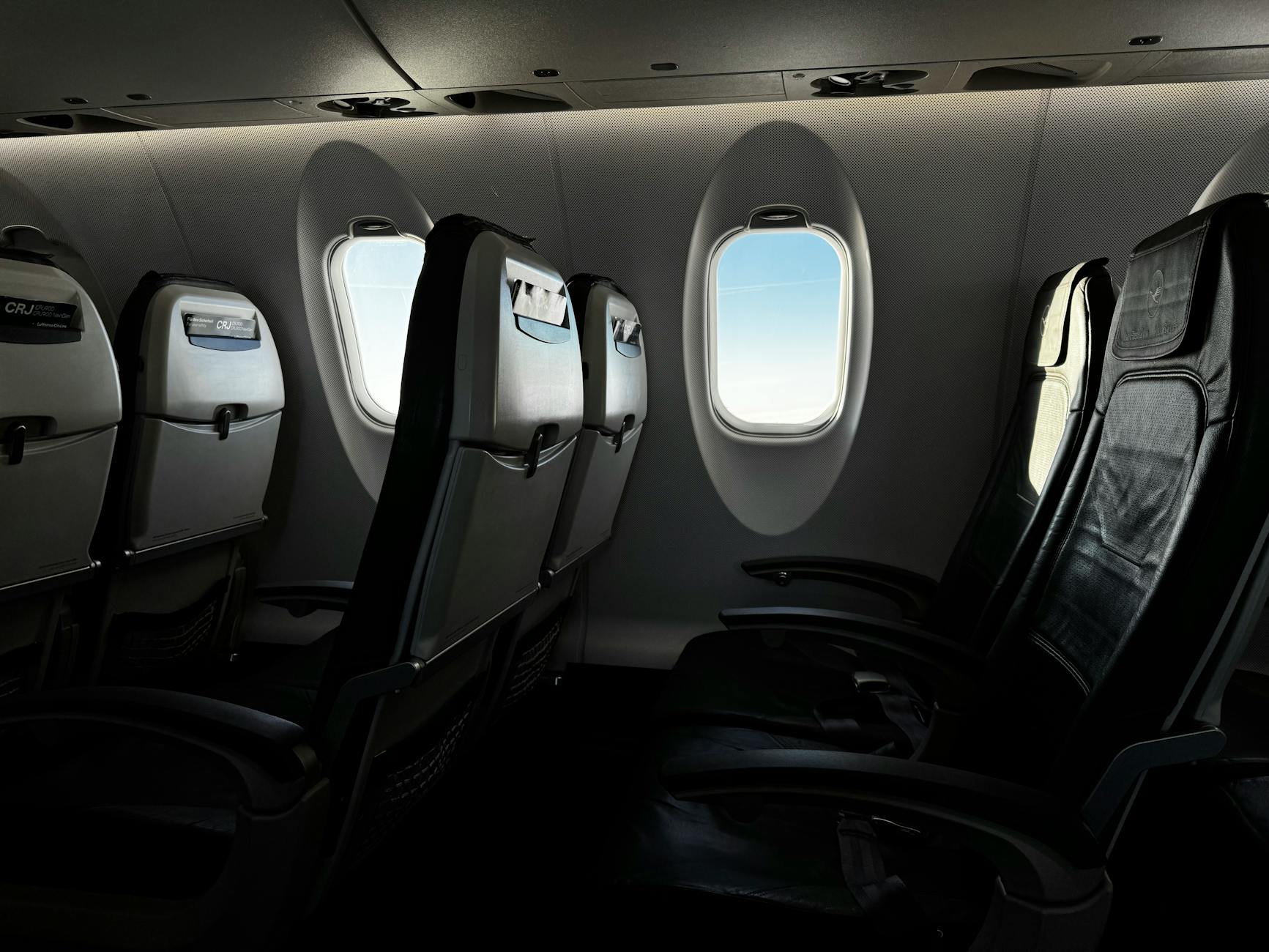
Airlines operate on razor-thin profit margins where every square foot of cabin space directly impacts revenue potential. First-class cabins typically feature 1-2 configuration seating with significant pitch between rows, limiting aircraft to roughly 8-12 premium seats. Business class configurations allow for 2-2 layouts with reduced but comfortable spacing, often doubling the number of premium passengers per flight.
Delta’s domestic fleet transformation illustrates this calculation. The carrier retrofitted its Boeing 757 aircraft to eliminate first class entirely, installing 20 business class seats where 12 first-class seats previously existed. This change increased premium revenue capacity by 67% while maintaining competitive comfort levels for high-paying passengers.
The premium cabin revenue mathematics become even more compelling when considering load factors. Business class cabins consistently achieve higher occupancy rates than first class on domestic routes, as the price differential makes business class accessible to more travelers while still commanding significant premiums over economy seating.
Airlines also discovered that domestic first-class passengers rarely utilized the full range of premium amenities that justified higher operational costs. Multi-course meal service, premium linens, and extensive beverage programs designed for international long-haul flights proved excessive for flights averaging 2-4 hours in duration.
Passenger Demand Shifts and Expectations
Modern travelers increasingly prioritize value over luxury on domestic routes. Business travelers, who comprise the majority of premium cabin passengers, focus on productivity features rather than opulent amenities. Reliable Wi-Fi, power outlets, and comfortable seating for laptop use matter more than champagne service or gourmet meals.
Consumer research consistently shows domestic passengers prefer frequent flyer program benefits and upgrade opportunities over paying premium prices for marginally enhanced service. Airlines respond by offering more business class seats available for upgrades, increasing customer loyalty while maintaining revenue optimization.
The rise of low-cost carriers also reshaped passenger expectations across the industry. When Southwest Airlines and JetBlue demonstrated that quality service could exist without traditional class distinctions, full-service carriers recognized the diminishing perceived value of domestic first class among cost-conscious travelers.

Corporate travel policies further accelerated this trend. Many companies revised travel guidelines to restrict first-class bookings for domestic trips while still approving business class when necessary. This policy shift reduced demand for the highest-tier domestic service while maintaining support for premium options that offer genuine productivity benefits.
Airlines discovered that passengers valued consistency across their network more than isolated luxury experiences. Standardizing business class service across domestic and short-haul international routes created operational efficiencies while meeting passenger expectations for premium travel.
Operational Efficiency and Fleet Standardization
Eliminating first-class cabins allows airlines to standardize aircraft configurations across their domestic fleets, reducing complexity in crew training, catering, and maintenance operations. Flight attendants require less specialized training when service standards remain consistent across premium cabins, while catering operations benefit from simplified menu planning and inventory management.
Aircraft utilization improves when airlines can deploy planes flexibly across routes without considering first-class demand variations. A standardized business class configuration works equally well on morning business routes and evening leisure flights, maximizing aircraft productivity throughout the day.
Maintenance costs decrease when airlines eliminate first-class amenities like fully-flat beds, premium entertainment systems, and specialized galley equipment designed for elaborate meal service. Business class seats require less complex mechanisms while still providing significant comfort advantages over economy seating.
The trend toward fleet commonality also influences these decisions. Airlines operating multiple aircraft types benefit from consistent cabin layouts that allow crew members and ground staff to work efficiently across different planes without extensive retraining for cabin-specific procedures.
Similar efficiency drives can be seen across various industries, as franchise models expand beyond traditional sectors to capitalize on operational standardization benefits.
International Competition and Service Differentiation
While domestic first class disappears, airlines increasingly focus premium service investments on international routes where longer flight times justify enhanced amenities. Carriers like Delta and United pour resources into business class products for transatlantic and transpacific flights, creating true differentiation where passengers notice and value premium service.
This strategic shift allows airlines to compete more effectively with international carriers known for superior premium cabin service. Rather than spreading premium service resources across domestic and international networks, airlines concentrate efforts where they generate maximum passenger loyalty and revenue premiums.
Airlines also recognize that domestic premium passengers often connect to international flights where enhanced business class service creates positive brand impressions. A consistent business class experience from domestic connection through international destination provides better brand cohesion than mixing service levels within a single journey.
The elimination of domestic first class reflects broader industry maturation where airlines focus on profitable market segments rather than attempting to be everything to everyone. This specialization mirrors trends in other consumer industries where companies succeed by excelling in specific areas rather than offering mediocre experiences across broad categories.
Looking forward, airlines will likely continue refining their domestic premium offerings to balance passenger satisfaction with operational efficiency. The success of business class configurations suggests that travelers value practical comfort and consistent service over luxury amenities that add cost without proportional benefits. As airlines adapt to changing market conditions and passenger preferences, the domestic first-class cabin joins other aviation artifacts in representing an earlier era of air travel that no longer aligns with contemporary business realities.
Frequently Asked Questions
Which airlines have eliminated first class on domestic flights?
American Airlines, Delta, and United have systematically removed first-class cabins from their domestic fleets, replacing them with business class configurations.
Why are airlines removing first class from domestic routes?
Airlines can fit more premium passengers in business class configurations while reducing operational complexity and costs compared to traditional first class service.