American Airlines removed first class from its Boeing 737 MAX fleet entirely. United Airlines followed suit on most domestic routes. Delta Air Lines quietly scaled back first class offerings on regional jets. The golden age of premium cabin service appears to be ending, but airlines aren’t abandoning luxury travelers-they’re reimagining how to serve them.
The shift from traditional first class to expanded premium economy represents the most significant change in airline cabin configuration since deregulation. Major carriers are betting that travelers want comfort without the astronomical price tags that come with traditional first class service.
This transformation reflects deeper changes in travel patterns, customer preferences, and airline economics that emerged from the pandemic and show no signs of reversing.
The Economics Behind the Premium Economy Push
Airlines discovered during the pandemic that premium economy generates more revenue per square foot than traditional first class. The math is compelling: four premium economy seats occupy roughly the same space as two first class seats, but generate 60-70% of the revenue that first class would produce while appealing to a much broader customer base.
“We’re seeing consistent demand in the premium economy space from both leisure and business travelers,” says aviation analyst Henry Harteveldt. “These passengers want more space and better service than economy, but they’re not willing to pay four times the price for first class.”
The sweet spot appears to be seats that offer 6-8 inches of extra legroom, wider seats, priority boarding, and enhanced meal service at prices typically 50-80% above standard economy fares. This pricing structure captures business travelers whose companies have tightened travel budgets while remaining accessible to leisure travelers willing to pay for comfort.
American Airlines reports that premium economy bookings increased by 40% year-over-year, while first class utilization on domestic routes dropped to below 60% on many flights. Similar patterns emerged across the industry, with airlines realizing they could fill more seats at profitable margins by expanding the premium economy category.
Changing Business Travel Patterns Drive Cabin Reconfiguration
Corporate travel budgets underwent permanent changes during the pandemic that continue shaping airline strategies. Companies that once approved first class travel for executives now mandate premium economy as the highest class of service for most business trips.
The rise of remote work reduced overall business travel volume while making remaining trips more strategic and cost-conscious. Business travelers still need to arrive refreshed and productive, but corporate travel managers increasingly view premium economy as offering sufficient comfort for most routes.
Technology companies led this shift, with firms like Google, Microsoft, and Amazon adjusting travel policies to favor premium economy over first class for domestic flights and many international routes. This policy change rippled through other industries as companies sought to optimize travel spending without completely sacrificing employee comfort.
Airlines responded by enhancing premium economy offerings to better serve business travelers. Features like power outlets at every seat, noise-canceling headphones, premium bedding on long-haul flights, and dedicated check-in areas began appearing in premium economy cabins previously reserved for first class passengers.
Premium Economy Becomes the New Standard for Comfort
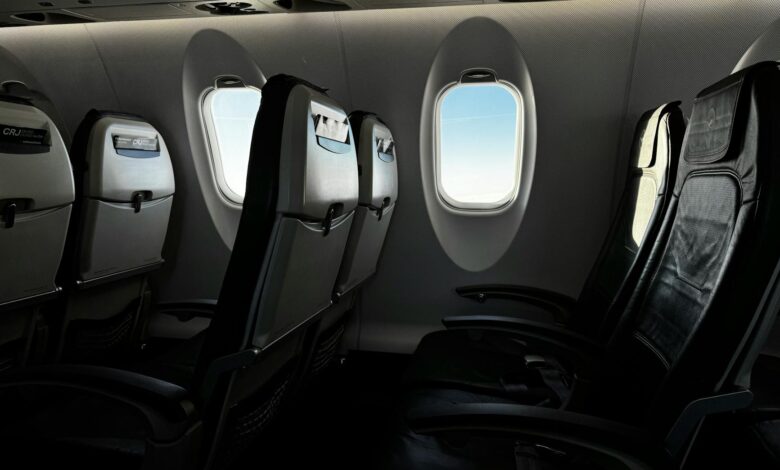
Modern premium economy cabins increasingly resemble what first class offered a decade ago. Seat pitch expanded from the standard 31-32 inches to 38-42 inches in premium economy sections. Seat width grew from 17-18 inches to 19-20 inches, approaching previous first class dimensions.
Airlines invested heavily in upgrading premium economy dining and entertainment options. Delta’s premium economy passengers receive chef-curated meals, premium spirits, and noise-canceling headphones. United’s premium economy includes restaurant-quality dining and access to premium streaming content normally reserved for higher cabin classes.
The service level improvements extend beyond hardware. Flight attendants receive specialized training for premium economy service, learning to provide more personalized attention while maintaining efficiency across larger cabin sections. Some airlines assign dedicated flight attendants to premium economy sections during peak travel periods.
Lufthansa pioneered premium economy expansion on transatlantic routes, reporting 85% load factors in premium economy compared to 65% in traditional first class. The German carrier found that premium economy passengers generated higher satisfaction scores than first class passengers on routes under eight hours, primarily due to better value perception.
International carriers followed similar strategies. Singapore Airlines, long known for luxury first class service, expanded premium economy across its fleet while reducing first class seats on medium-haul routes. The airline reports that premium economy generates more consistent revenue than first class while requiring less intensive service resources.
Technology and Operational Efficiency Shape the Transition
Advanced cabin management systems allow airlines to optimize premium economy service without the labor-intensive requirements of traditional first class. Digital ordering systems, automated galley equipment, and streamlined meal preparation enable airlines to provide enhanced service to larger premium economy sections.
Airlines leveraged data analytics to identify optimal cabin configurations for different routes and seasons. Routes with high business travel demand receive aircraft with larger premium economy sections, while leisure-focused routes maintain traditional economy configurations with smaller premium sections.
The operational simplification benefits extend to crew training and scheduling. Flight attendants can more easily transition between aircraft types when cabin service requirements align across premium economy sections, rather than managing vastly different first class service standards on different aircraft.
Ground operations also became more efficient with premium economy expansion. Simplified catering requirements, standardized amenity kits, and streamlined boarding procedures reduce turnaround times while maintaining passenger satisfaction levels that often exceed traditional first class ratings.
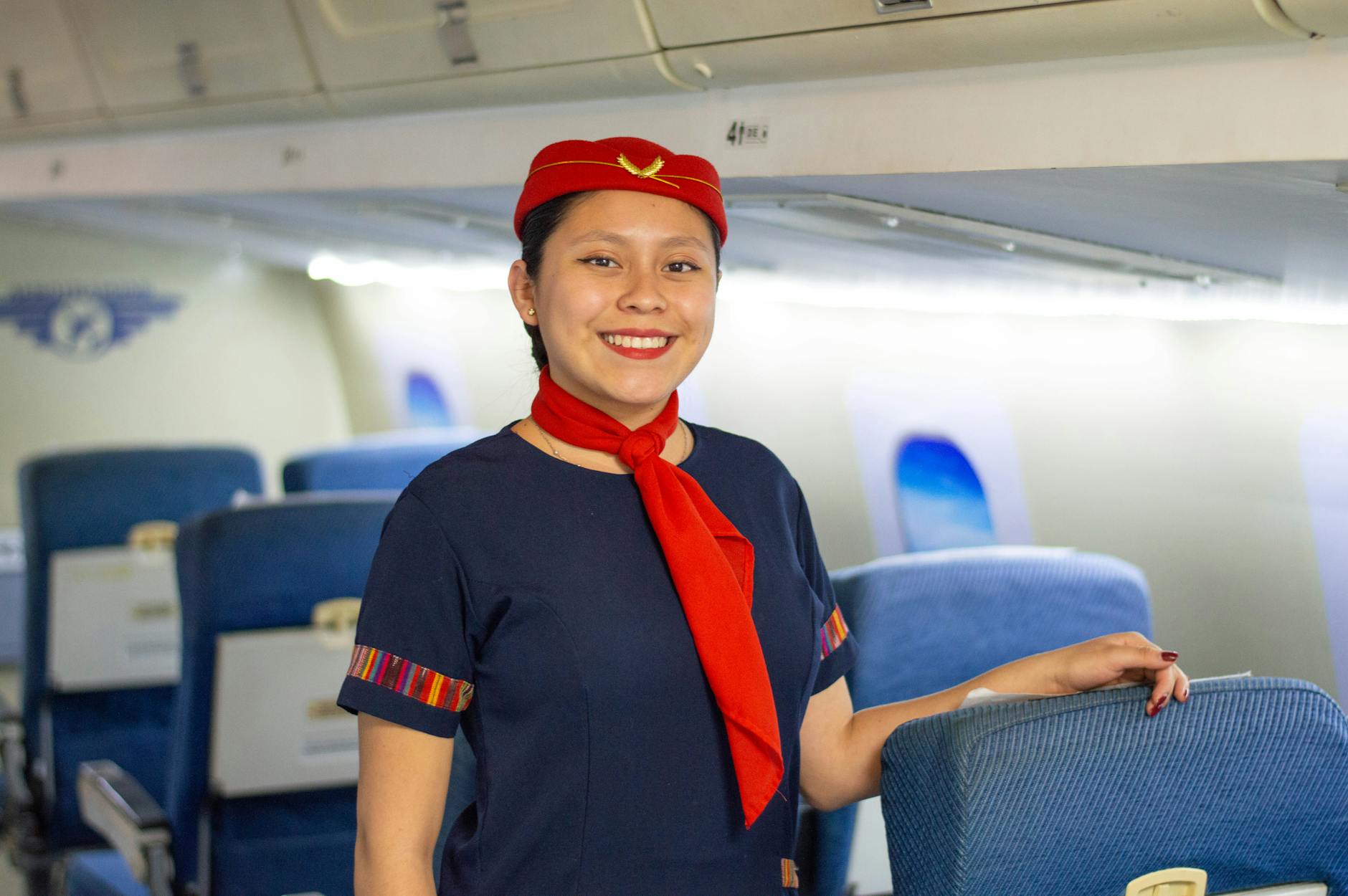
Airlines continue refining premium economy offerings as customer feedback shapes future cabin designs. Industry analysts predict further expansion of premium economy sections, with some carriers considering elimination of first class on all domestic routes by 2026. The transformation represents a fundamental shift toward democratizing comfort in air travel while maintaining airline profitability.
The success of premium economy expansion suggests airlines correctly identified changing passenger priorities: comfort and value over luxury and exclusivity. As business models evolve across industries, airlines demonstrate that serving broader customer segments with enhanced value propositions can generate more sustainable revenue than traditional premium positioning.
This cabin evolution will likely accelerate as airlines take delivery of new aircraft designed with expanded premium economy sections from the factory floor, making the transition from first class to premium economy permanent across much of the domestic airline industry.
Frequently Asked Questions
Why are airlines removing first class seats?
Airlines found premium economy generates more revenue per square foot while appealing to broader customer segments than expensive first class cabins.
What does premium economy include compared to regular economy?
Premium economy typically offers 6-8 inches extra legroom, wider seats, priority boarding, enhanced meals, and upgraded amenities at 50-80% above economy prices.