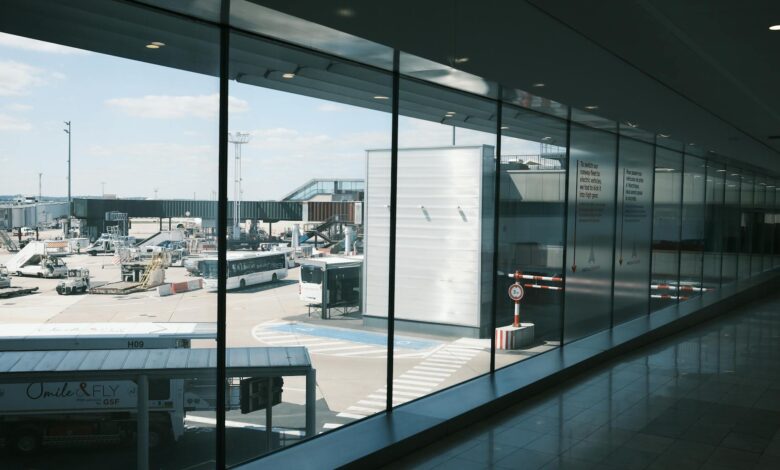
The transportation industry is witnessing an unprecedented wave of vertical integration as major airlines quietly acquire regional bus companies across the United States and Europe. Delta Air Lines, American Airlines, and United Airlines have collectively purchased stakes in over a dozen bus operators in the past eighteen months, fundamentally reshaping how passengers think about multi-modal travel.
This strategic shift represents more than simple diversification. Airlines are creating seamless transportation networks that extend far beyond airport terminals, positioning themselves as comprehensive mobility providers rather than just air carriers. The acquisitions target specific regional routes where flying isn’t economically viable but demand for reliable transportation remains strong.
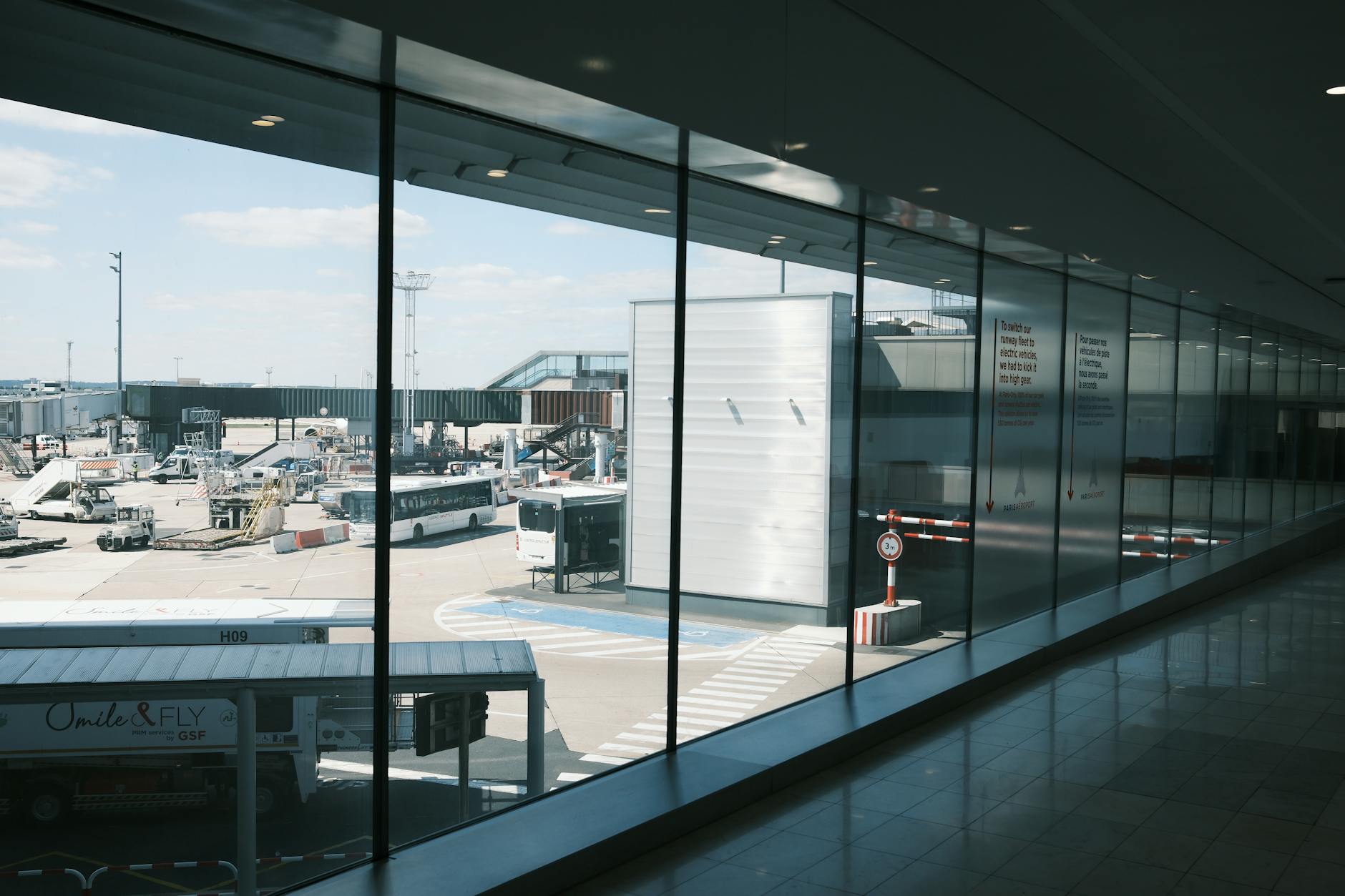
Building Connected Transportation Ecosystems
Airlines are leveraging their existing infrastructure and customer data to optimize bus routes that complement their flight networks. United’s recent partnership with several Midwest bus operators creates direct connections between smaller cities and major hub airports, eliminating the need for connecting flights on short regional routes.
The strategy makes financial sense. Operating a 50-seat regional jet between cities 200 miles apart costs airlines approximately three times more per passenger than running a premium bus service on the same route. Airlines maintain higher margins while offering customers a branded, connected travel experience that includes the same booking platform, loyalty points, and customer service standards.
Delta’s approach focuses on high-traffic corridors where flight demand exceeds capacity during peak travel periods. Their acquired bus operations serve as overflow capacity, moving passengers between Atlanta and Birmingham, or between Seattle and Portland when flights are full. Passengers booking through Delta’s platform can earn SkyMiles on bus travel and enjoy priority boarding privileges.
American Airlines targets college towns and smaller metropolitan areas within 300 miles of their major hubs. Their bus acquisitions concentrate on routes connecting universities to major airports, capitalizing on predictable student travel patterns and business commuter demand.
Technology Integration Drives Efficiency
The airline industry’s sophisticated yield management systems translate effectively to bus operations. Airlines apply the same dynamic pricing algorithms they use for flights to optimize bus ticket prices based on demand, weather, and competing transportation options. This technological edge helps acquired bus companies increase revenue per passenger mile by an average of 15-20%.
Customer data integration creates powerful synergies. Airlines can predict travel demand patterns across their entire network, including newly acquired bus routes. When flight cancellations occur due to weather or mechanical issues, airlines automatically rebook passengers onto their bus services without additional fees, maintaining customer loyalty while reducing compensation costs.
Mobile app integration ensures seamless booking experiences. Passengers can book multi-modal trips – flying from New York to Dallas, then taking a branded bus to Austin – all within a single transaction. Real-time updates, seat selection, and mobile boarding passes work identically across both transportation modes.

Regulatory Advantages and Market Positioning
Airlines face fewer regulatory hurdles when acquiring bus companies compared to airline mergers. The Federal Transit Administration’s approval process for bus company acquisitions typically takes 6-8 months, while airline mergers can require years of regulatory review and often face antitrust challenges.
Bus operations also provide airlines with valuable slots in city centers. Premium bus terminals in downtown areas offer airlines retail presence and customer touchpoints where they previously had no direct access. Southwest Airlines’ bus acquisitions specifically target routes serving downtown business districts, positioning the airline brand where business travelers make daily commuting decisions.
The acquisitions create defensive moats against emerging transportation competitors. As ride-sharing services expand into longer-distance travel and high-speed rail projects advance in various regions, airlines are securing their position in the ground transportation market before new competitors establish dominance.
Environmental considerations play an increasingly important role in corporate travel policies. Companies implementing comprehensive employee wellness programs often include sustainability metrics in their travel policies. Airlines can offer corporate clients lower-emission bus options for shorter routes while maintaining their preferred vendor relationships.
Financial Performance and Future Expansion
Early financial results from airline-owned bus operations exceed initial projections. United’s bus subsidiaries report average load factors of 78%, compared to industry averages of 65% for independent bus operators. The airline’s established customer base provides immediate ridership, while cross-selling opportunities generate additional ancillary revenue.
Premium bus services operated by airlines command higher ticket prices than traditional bus companies. Passengers willingly pay 25-40% more for airline-branded bus travel that includes amenities like Wi-Fi, power outlets, priority customer service, and loyalty program benefits. These premium services compete directly with rental cars and ride-sharing for business travel segments.

International expansion appears likely as European airlines monitor American carriers’ success with bus acquisitions. Lufthansa Group has reportedly engaged consulting firms to evaluate bus company acquisition opportunities in Germany and neighboring countries, while Air France-KLM explores similar strategies for connecting smaller European cities to their major hubs.
The trend signals a fundamental transformation in how airlines view their role in the transportation ecosystem. Rather than focusing exclusively on moving passengers through the sky, airlines are positioning themselves as comprehensive mobility providers capable of delivering customers from origin to final destination regardless of distance or transportation mode.
Industry analysts predict this acquisition wave will accelerate over the next two years as airlines recognize the strategic value of controlling ground transportation networks. The companies that successfully integrate air and ground operations while maintaining service quality standards will likely capture outsized market share in the evolving transportation landscape.
Frequently Asked Questions
Why are airlines buying bus companies instead of expanding flights?
Bus operations cost significantly less per passenger mile than regional flights while serving routes where flying isn’t economically viable.
Do passengers earn airline miles on bus travel?
Yes, most airline-owned bus services allow passengers to earn and redeem loyalty program benefits across both transportation modes.