Why Local Mayoral Races Are Becoming More Expensive Than Congressional Campaigns


A mayoral race in Jacksonville, Florida raised $2.8 million in 2023. The congressional race in the same district? Just $1.9 million. This shocking reversal signals a fundamental shift in American campaign finance, where control of city halls now commands bigger war chests than seats in the House of Representatives.
The phenomenon extends far beyond Florida. From Seattle to Charlotte, mayoral candidates are shattering fundraising records while many House races struggle to attract serious money. Campaign finance experts call it the “local premium” – a new reality where proximity to voters translates directly into donor dollars.
Several factors drive this surprising trend. Corporate donors increasingly view mayors as more effective partners than gridlocked federal legislators. Tech companies pour money into San Francisco mayoral races because housing and zoning policies directly impact their operations. Real estate developers fund mayoral campaigns in Austin and Nashville, knowing these officials control the permits and approvals that make or break billion-dollar projects.

Corporate Money Follows Local Power
The shift reflects corporate America’s growing frustration with Washington dysfunction. While Congress debates infrastructure for months, mayors actually build roads and bridges. When tech giants need fiber optic permits or entertainment companies require filming locations, they call city hall, not Capitol Hill.
Amazon’s approach illustrates this calculation. The company spent heavily on Seattle City Council races in 2019, understanding that local officials determine tax policies affecting their headquarters. Similarly, Uber and Lyft have channeled millions into mayoral races across the country, knowing that ride-sharing regulations get decided at the municipal level.
Corporate PAC donations are shifting away from traditional party lines, with businesses increasingly backing candidates based on policy positions rather than partisan affiliation. This trend accelerates at the local level, where party labels often matter less than specific stances on development, taxation, and business regulations.
Labor unions follow similar logic. The Service Employees International Union poured $3.2 million into Los Angeles mayoral races in 2022, recognizing that the winner would control city employee contracts worth hundreds of millions. Police and firefighter unions routinely spend more on mayoral campaigns than on House races, understanding that city leaders determine public safety budgets and hiring practices.
Media Costs and Voter Engagement
Television advertising rates partially explain the spending surge. A 30-second ad during prime time in Los Angeles costs roughly the same whether you’re running for mayor or Congress. But mayoral candidates need broader name recognition since they lack party identification to guide voters.
Congressional candidates benefit from partisan loyalty – roughly 90% of voters stick with their party regardless of the individual candidate. Mayoral races, typically nonpartisan, require candidates to build personal brands from scratch. This means more advertising, more direct mail, and more expensive voter outreach efforts.
Digital advertising compounds these costs. Social media platforms charge based on geographic targeting, not office level. Reaching voters in Chicago costs the same per impression whether you’re running for mayor or the House. Mayoral candidates often need to reach the same audience multiple times to overcome low awareness levels.
The Infrastructure Advantage
Mayors control immediate, tangible benefits that donors can see and measure. They approve development projects, allocate emergency services, and manage transportation systems. These decisions create direct winners and losers, motivating intense financial involvement from affected parties.
Consider Charlotte’s recent mayoral race, where banking interests contributed heavily because the winner would oversee downtown development crucial to financial district expansion. Construction companies, architectural firms, and property management companies all had specific, measurable stakes in the outcome.
Congressional representatives, despite their federal power, often struggle to deliver concrete benefits to specific donors. Immigration reform, healthcare policy, and tax legislation get bogged down in partisan gridlock. Even successful House members frequently spend entire terms without passing significant legislation affecting their contributors’ bottom lines.
This creates a feedback loop where business donors increasingly view mayoral investments as more cost-effective than federal campaigns. A $50,000 contribution to a winning mayoral candidate might yield specific policy changes within months, while the same donation to a House race might produce no measurable return for years.
Voter Turnout and Influence
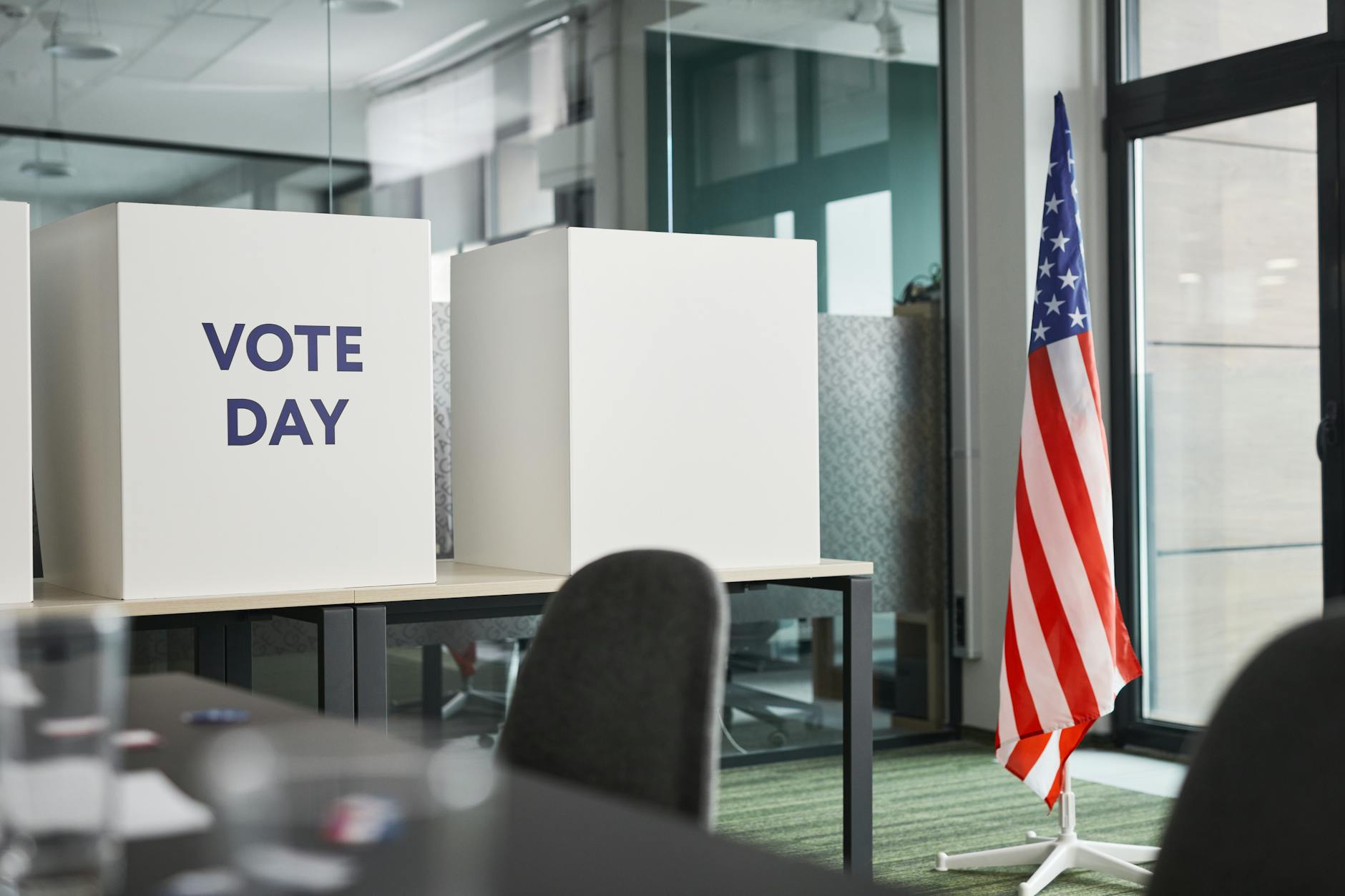
Low turnout in mayoral elections amplifies donor influence. While congressional races might draw 200,000 voters, corresponding mayoral elections often see 50,000 or fewer participants. This means each campaign dollar potentially influences more electoral outcomes per capita.
Sophisticated donors recognize this math. Wealthy individuals and corporate PACs can achieve greater political influence per dollar in municipal races than federal contests. A major contribution might represent 5% of a mayoral campaign’s total budget but only 1% of a House race’s fundraising.
The phenomenon particularly benefits candidates with business backgrounds or pro-development platforms. Real estate developers, energy companies, and technology firms find mayoral races attractive because winners directly control permitting, zoning, and regulatory processes affecting their operations.
Looking Forward
This trend shows no signs of slowing. As federal politics remain polarized and unproductive, corporate donors and wealthy individuals will likely continue redirecting resources toward local races where they can achieve measurable policy outcomes.
The shift has profound implications for American democracy. Well-funded mayoral candidates gain significant advantages in races traditionally decided by grassroots organizing and community connections. Cities with attractive business climates may see even more expensive contests as corporate interests compete for influence over urban development and regulation.
Campaign finance reformers worry about the concentration of business influence at the local level. While federal candidates face disclosure requirements and contribution limits, municipal races often operate under looser oversight, allowing unlimited spending through independent expenditure committees.
The 2024 election cycle will test whether this trend accelerates or stabilizes. Early fundraising reports from major cities suggest mayoral campaigns are already outpacing congressional races in key markets, indicating that local politics have permanently entered big-money territory.
Frequently Asked Questions
Why are mayoral campaigns raising more money than House races?
Corporate donors view mayors as more effective partners who can deliver concrete policy changes faster than gridlocked federal legislators.
What drives high spending in local elections?
Low voter turnout means each campaign dollar has greater influence, while mayors control immediate benefits like development permits and business regulations.