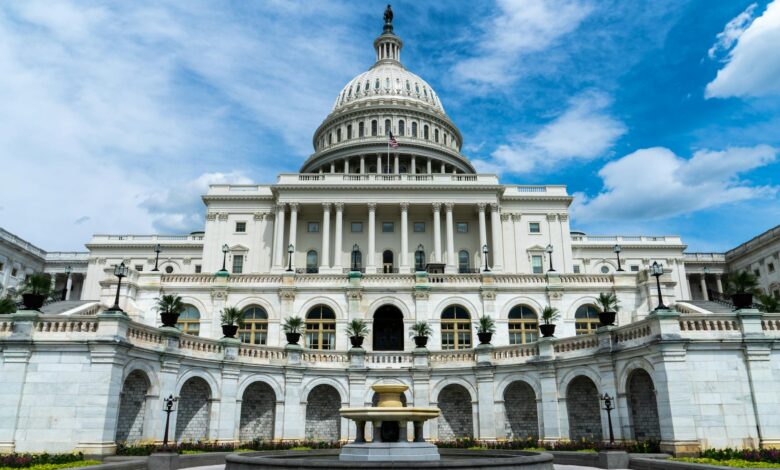
Election offices across America sit empty as their longtime stewards pack up decades of service and walk away. The exodus has reached unprecedented levels, with turnover rates in some states hitting 40% – a crisis that threatens the very foundation of democratic participation at the grassroots level.
From small-town clerks who’ve overseen elections for generations to seasoned county administrators, the people who make democracy work are calling it quits. The departures span red and blue states alike, rural counties and urban districts, creating a knowledge vacuum that experts warn could take years to fill. What’s driving this mass exodus threatens to reshape how Americans vote and undermines confidence in electoral integrity at the most basic level.
The Perfect Storm of Pressure and Threats
The job that once attracted civic-minded individuals seeking steady public service has transformed into a high-stress position under constant scrutiny. Election officials report receiving death threats, harassment calls, and social media attacks that extend to their families. In Arizona, Maricopa County’s election officials required security details after the 2020 election. Similar scenes have played out from Georgia to Michigan, where officials describe feeling like targets rather than public servants.
“I used to love going to work,” says a recently retired county clerk from Wisconsin who asked not to be named. “Now my family worries about my safety every election cycle.” The harassment isn’t limited to high-profile swing states – officials in traditionally safe red and blue areas report similar experiences as partisan tensions have seeped into even local races.
The pressure extends beyond personal safety concerns. Election officials face lawsuits, public records requests that consume massive resources, and demands for access to sensitive systems from groups questioning electoral processes. Many describe feeling caught between conflicting demands from state officials, federal requirements, and increasingly vocal community activists on both sides of the political spectrum.
Legal challenges have multiplied exponentially. Officials who once dealt with routine administrative tasks now spend significant time coordinating with attorneys and responding to litigation. The job requires expertise in cybersecurity, public communications, and legal compliance – skills many longtime clerks never expected to need when they started their careers.
Funding Shortfalls and Resource Constraints
Behind the headlines about threats and harassment lies a more fundamental problem: election offices operate on shoestring budgets that haven’t kept pace with expanding responsibilities. The average county election budget has remained relatively flat over the past decade while expectations and requirements have grown substantially.
Modern elections require sophisticated technology, cybersecurity measures, and staff training that many jurisdictions struggle to afford. Officials report using outdated equipment, working with skeleton crews, and personally funding office supplies to keep operations running. The disparity is stark between well-funded urban counties and rural areas where a single clerk might oversee elections for tens of thousands of voters.
Federal and state mandates have piled additional responsibilities onto local offices without corresponding funding increases. Accessibility requirements, cybersecurity protocols, and audit procedures all demand resources that many jurisdictions lack. Officials describe feeling overwhelmed by competing priorities and insufficient tools to meet basic obligations.
The staffing crisis compounds funding problems. Entry-level election workers can earn more at retail jobs with better hours and less stress. Experienced staff leave for private sector opportunities, creating institutional knowledge gaps that take years to fill. Training new employees requires time and resources that understaffed offices don’t have, creating a vicious cycle of turnover and burnout.

The Politicization of Administrative Functions
Election administration was once considered boring – a feature, not a bug, for officials who preferred working behind the scenes to ensure smooth democratic processes. That anonymity has disappeared as election officials find themselves thrust into partisan battles and media spotlights they never sought.
Routine decisions that previously attracted little attention now generate intense scrutiny and criticism. Choices about polling locations, ballot design, and vote counting procedures become political flashpoints. Officials describe feeling like they’re walking on eggshells, knowing that any decision might trigger backlash from one political faction or another.
The professionalization movement that elevated election administration over recent decades has collided with renewed political pressure to treat these positions as partisan roles. Some states have moved to make election official positions partisan or subject to increased political oversight, further eroding the independence these roles traditionally enjoyed.
Social media has amplified criticism and conspiracy theories, making it impossible for officials to escape work-related stress. Personal information gets shared online, families receive threatening messages, and officials report feeling constantly under surveillance by activists filming their offices and challenging their every move.
The situation has created a feedback loop where qualified candidates avoid seeking election positions, knowing the personal costs involved. Recruitment has become increasingly difficult as word spreads about the challenges facing current officials. Many jurisdictions report struggling to find candidates willing to run for clerk or registrar positions that previously attracted multiple qualified applicants.
Long-term Consequences for Electoral Integrity
The departures create immediate operational challenges, but the long-term implications may prove more serious. Institutional knowledge about election procedures, local voting patterns, and community relationships leaves with retiring officials. New staff must learn complex systems under intense pressure while managing active election cycles.
The experience gap manifests in various ways: longer wait times at polling places, confusion about procedures, and increased errors that fuel further criticism of election administration. Officials who previously relied on decades of experience to handle unusual situations must now consult manuals and attorneys for decisions their predecessors made instinctively.
Recruitment difficulties mean many positions remain unfilled or are filled by less qualified candidates. Some counties have consolidated election functions or contracted with private companies to manage basic operations. While these solutions address immediate staffing needs, they may create new vulnerabilities in the electoral system.
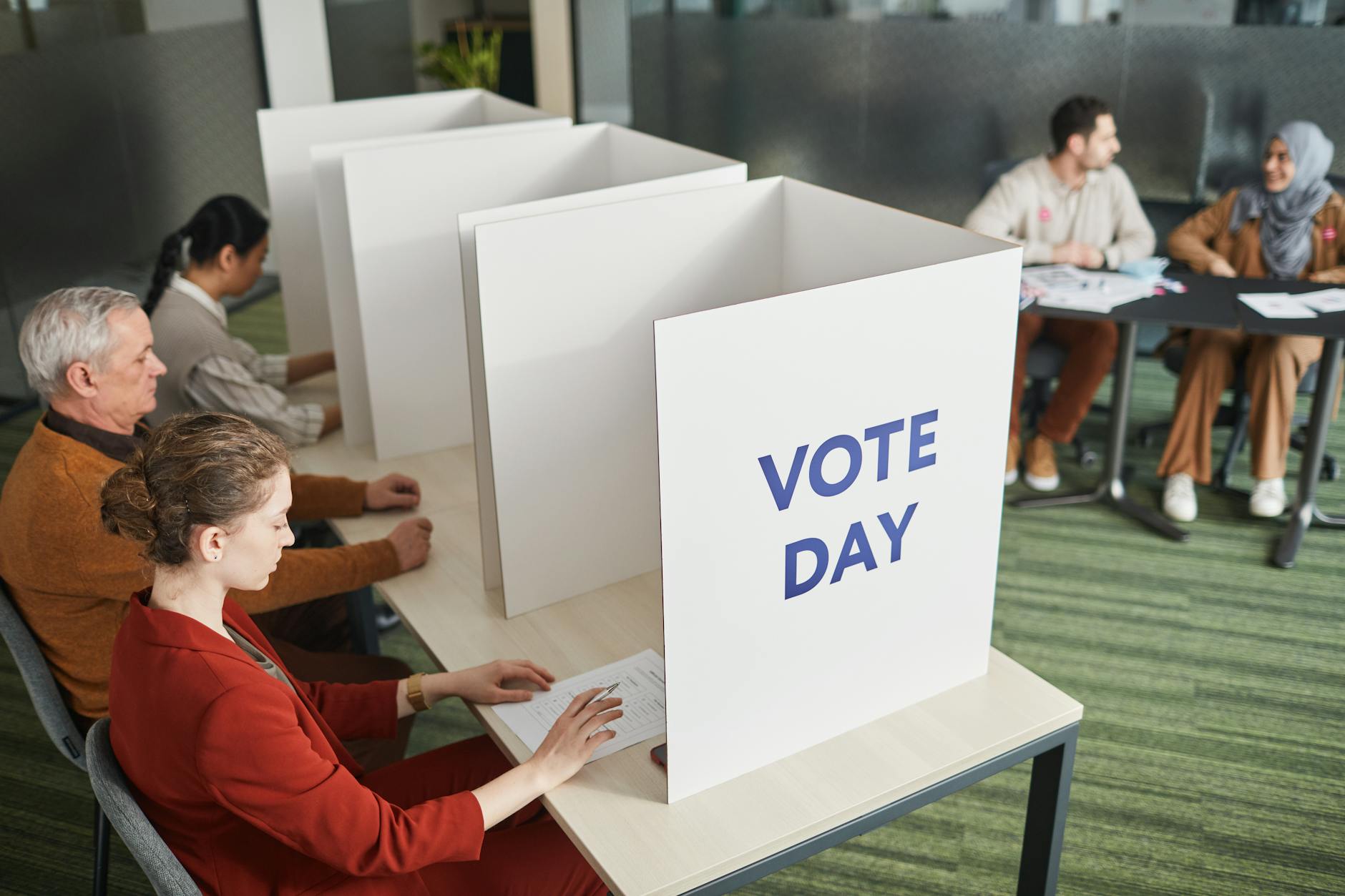
The crisis extends beyond individual offices to affect the broader electoral ecosystem. Swing state voters prioritizing infrastructure concerns may find their needs harder to address when local election officials lack resources and experience to effectively advocate for necessary improvements to voting systems and procedures.
Efforts to Address the Crisis
Recognition of the problem has sparked various initiatives aimed at supporting election officials and improving working conditions. Professional organizations have launched mental health programs, security training, and peer support networks. Some states have increased funding for election security and staff training, though resources remain limited relative to needs.
Federal agencies have provided grants for cybersecurity improvements and equipment upgrades, but officials note that one-time funding doesn’t address ongoing operational challenges. The focus on technology improvements, while necessary, doesn’t solve fundamental problems of understaffing and insufficient base budgets.
Legislative efforts to protect election officials from harassment have gained traction in multiple states, with new laws creating penalties for threats and providing additional security resources. However, enforcement remains inconsistent, and many officials report that legal protections don’t address the underlying cultural shifts that have made their jobs more difficult.
Professional development programs have expanded to help officials develop skills needed for modern election administration. Training covers cybersecurity, public communications, and crisis management – areas that weren’t part of traditional election clerk education. While helpful, these programs require time and resources that stressed officials often lack.
Some jurisdictions have experimented with shared services models, where regional authorities handle certain functions for multiple counties or municipalities. This approach can provide expertise and resources that individual offices lack, though it raises questions about local control and accountability that resonate particularly strongly in rural communities.
The path forward requires sustained commitment to rebuilding election infrastructure and restoring public respect for the officials who make democracy work. Without significant changes to address funding, security, and political pressures, the exodus will likely continue, further weakening the foundation of American electoral systems. The officials walking away aren’t just leaving jobs – they’re taking with them decades of expertise that communities depended on to ensure every vote counts and every voice is heard.
Frequently Asked Questions
Why are election officials leaving their jobs?
Officials cite death threats, harassment, inadequate funding, and increased political pressure as primary reasons for resigning from positions that were once considered stable public service roles.
How does this affect elections?
The exodus creates knowledge gaps, operational challenges, and recruitment difficulties that can lead to longer wait times, procedural errors, and reduced confidence in electoral systems.