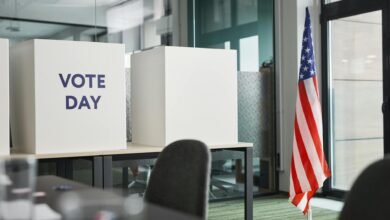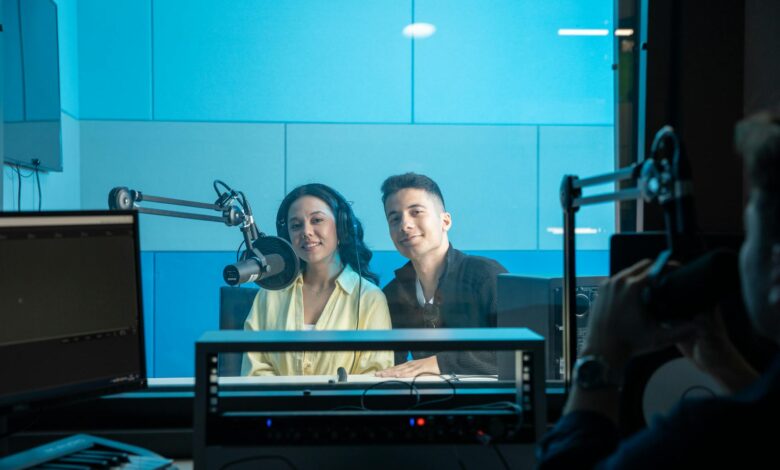
While digital advertising dominates political headlines, gubernatorial candidates nationwide are quietly pouring millions into an unexpected medium: local radio. From rural Montana to suburban Virginia, these campaigns are betting that the airwaves hold more influence than Instagram feeds when it comes to reaching actual voters.
The strategy marks a dramatic shift from the social media-heavy approaches that defined recent presidential elections. Instead of chasing viral moments on TikTok, governors’ races are investing in drive-time slots and morning talk shows where listeners tune in religiously during their daily commutes.
The Trust Factor That Digital Can’t Buy
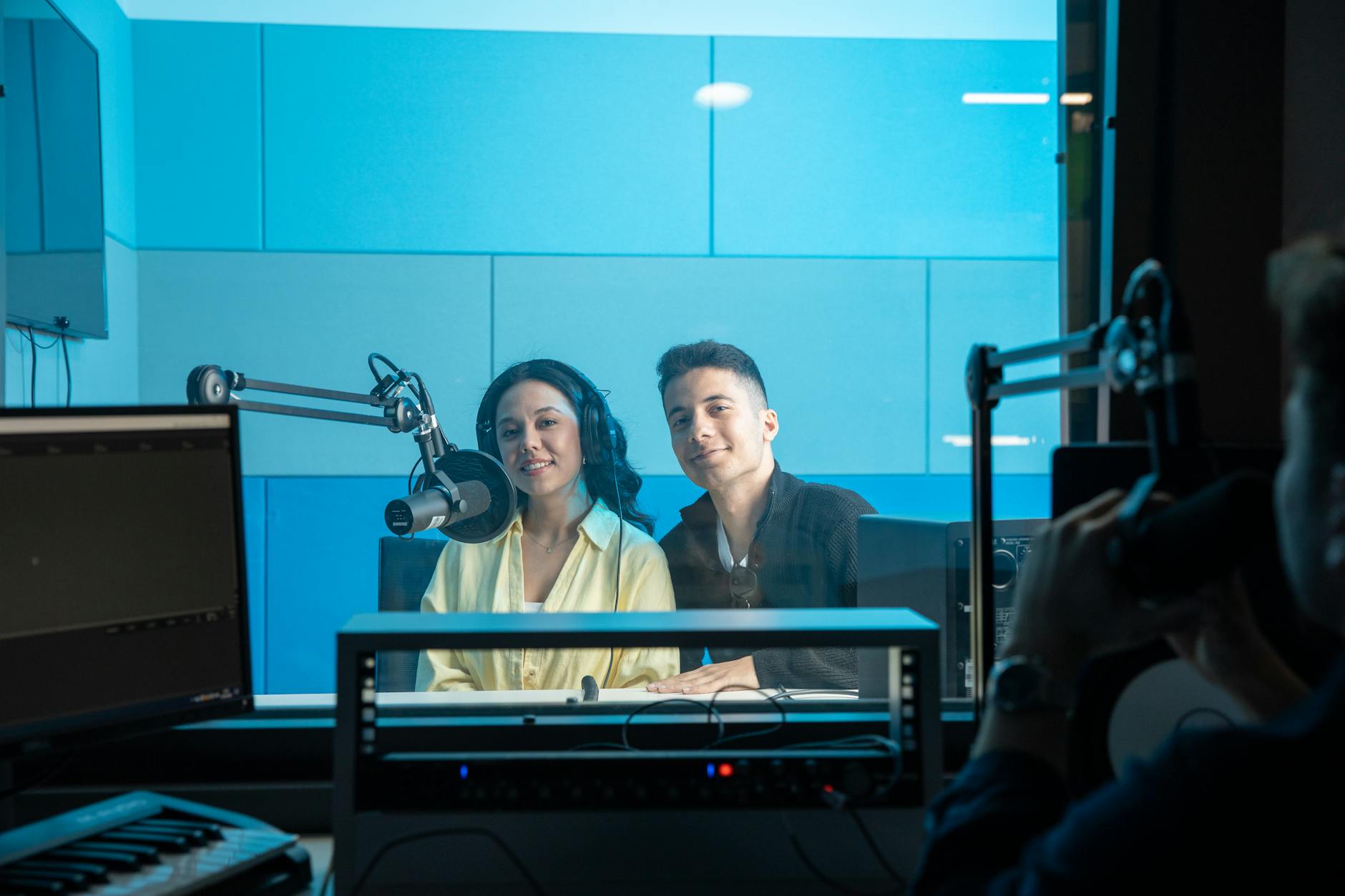
Local radio hosts wield something campaign managers desperately need: authentic credibility with their communities. When a morning DJ endorses a candidate or grants them a 20-minute interview, it carries weight that paid Facebook ads simply cannot match.
“Radio personalities become part of people’s daily routines,” explains Sarah Martinez, a campaign strategist who has worked on six gubernatorial races. “They’re in your car, in your kitchen, at your workplace. That intimacy creates trust that digital platforms struggle to replicate.”
This personal connection proves especially valuable in gubernatorial contests, where state-specific issues matter more than national talking points. Radio hosts understand local concerns about highway funding, school board controversies, and regional economic challenges in ways that national media figures cannot.
Recent polling data supports this strategy shift. Voters consistently rate local radio as more trustworthy than social media platforms, with rural and suburban demographics showing particularly strong loyalty to their preferred stations and personalities.
Cost Efficiency in Targeted Markets
The economics of radio advertising offer campaign treasurers compelling advantages over television and digital alternatives. A week of drive-time spots on a major market radio station costs roughly the same as two days of prime-time television advertising, yet radio delivers repeated exposure to highly engaged audiences.
Gubernatorial campaigns appreciate radio’s surgical targeting capabilities. Unlike television broadcasts that spill across state lines into expensive out-of-state markets, radio stations typically serve specific regions within state boundaries. This geographic precision prevents wasted spending on voters who cannot participate in the election.
“We can buy radio spots in the Lehigh Valley without paying Philadelphia television prices,” notes Tom Richardson, media director for a recent Pennsylvania gubernatorial campaign. “That efficiency allows us to maintain presence across multiple markets throughout the campaign cycle rather than going dark between major pushes.”
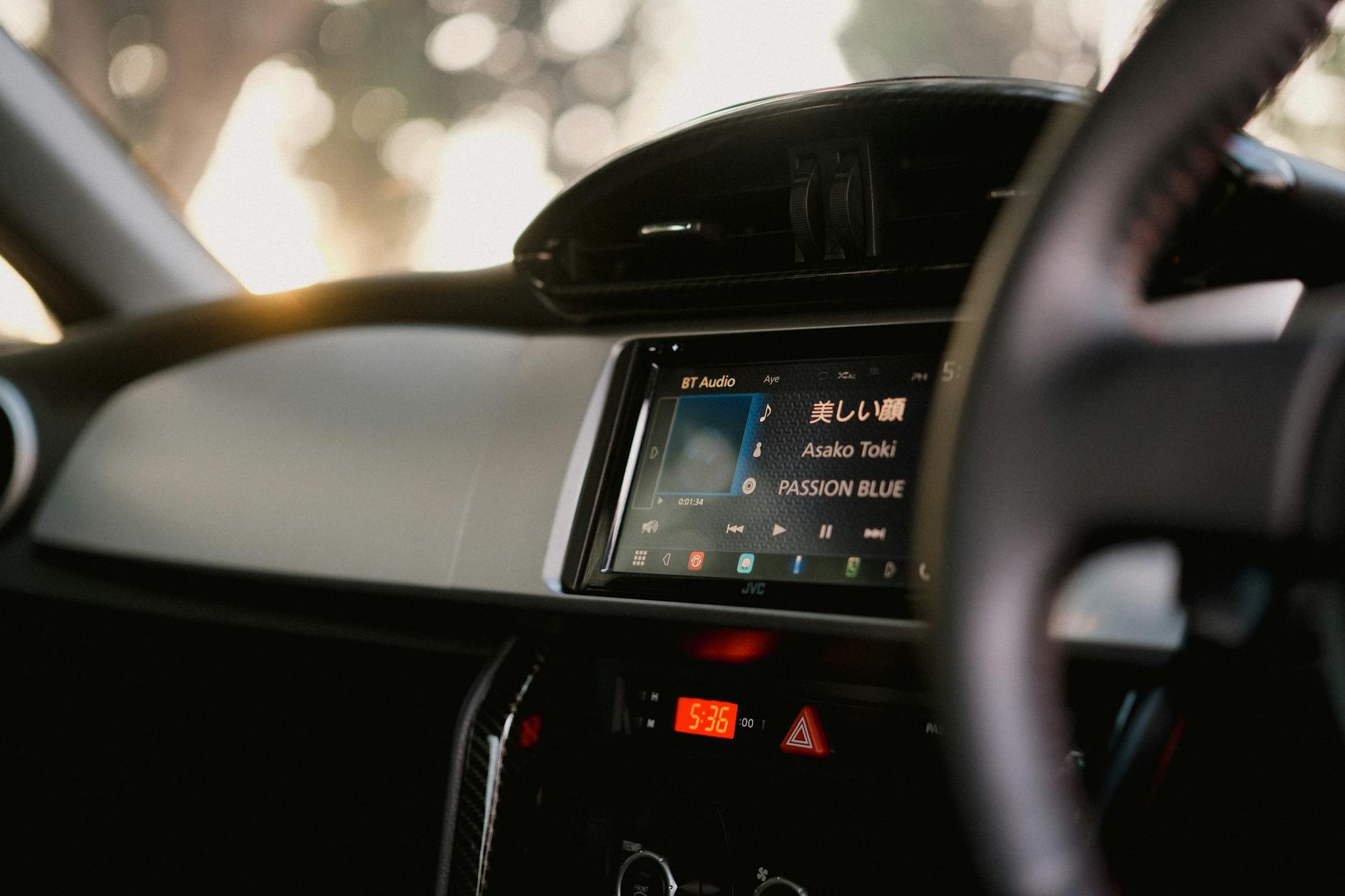
Morning and afternoon drive-time slots capture commuters during their most consistent media consumption periods. Unlike social media scrolling that happens sporadically, radio listening follows predictable patterns that campaign schedulers can leverage for maximum impact.
Breaking Through Information Overload
Modern voters face unprecedented information bombardment from multiple digital sources, creating what campaign analysts call “message fatigue.” Radio offers a quieter pathway to voter attention, bypassing the crowded competition for clicks and likes.
Talk radio formats provide extended conversation opportunities that television commercials and social media posts cannot match. A 15-minute candidate interview allows for substantive policy discussion and personal storytelling that builds voter familiarity beyond attack ad soundbites.
This longer-form engagement proves particularly valuable for lesser-known challengers facing incumbent governors. Radio appearances help these candidates establish their personalities and credentials with voters who may know little about their backgrounds or positions.
The medium also reaches demographics that increasingly avoid traditional television news and remain skeptical of social media political content. Working-class voters, older adults, and rural residents often maintain stronger radio habits than other media consumption patterns.
Spanish-Language Radio’s Growing Influence
Gubernatorial campaigns are investing heavily in Spanish-language radio markets, recognizing their crucial role in swing states with growing Latino populations. These stations often serve as primary news sources for communities that English-language media outlets struggle to reach effectively.
Arizona, Texas, Florida, and Nevada gubernatorial races now routinely include Spanish-language radio strategies as core components rather than afterthoughts. The medium’s talk-heavy formats allow for nuanced discussions of immigration policy, economic opportunity, and education funding that resonate with Latino voters’ priorities.
Adapting to Streaming and Podcast Integration
Smart campaigns are not treating radio as a purely traditional medium. Many local radio stations now simulcast online and offer podcast versions of popular shows, extending their reach beyond geographic boundaries and time constraints.
This evolution allows gubernatorial candidates to benefit from radio’s trust and intimacy while gaining digital distribution advantages. Interview segments become shareable content across multiple platforms, multiplying the original investment’s impact.
Campaign finance reform discussions increasingly focus on transparency in digital advertising, but radio spending faces fewer regulatory complications. This simplicity appeals to campaigns navigating complex compliance requirements across multiple digital platforms.
The podcast boom has actually strengthened radio’s position rather than weakening it. Voters comfortable with audio content consumption are more likely to engage with both traditional radio programming and campaign messaging delivered through these familiar formats.
Looking ahead, gubernatorial candidates appear committed to radio strategies even as media landscapes continue evolving. The medium’s unique combination of local trust, cost efficiency, and targeted reach addresses fundamental campaign challenges that newer technologies have not solved.
As voters become increasingly skeptical of political messaging across social media platforms, radio’s perceived authenticity becomes more valuable rather than less. Gubernatorial campaigns betting on airwave influence may be positioning themselves ahead of a broader political communication trend rather than behind it.
Frequently Asked Questions
Why are gubernatorial candidates choosing radio over digital advertising?
Radio offers authentic local credibility, cost efficiency, and targeted geographic reach that digital platforms struggle to match.
How much do radio campaigns cost compared to television?
A week of drive-time radio spots costs roughly the same as two days of prime-time television advertising.