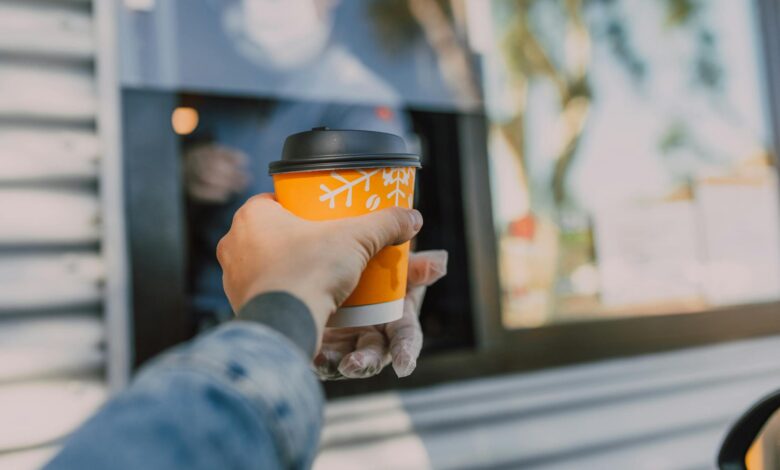
McDonald’s just announced plans to open 10,000 new drive-thru only locations by 2027. Burger King is close behind with 8,000 similar outlets. Taco Bell has already converted 2,500 existing restaurants to drive-thru exclusive formats. This isn’t just expansion – it’s a complete reimagining of how fast food operates.
The pandemic accelerated a trend that was already brewing. Drive-thru sales jumped from 60% to 90% of total revenue at major chains during lockdowns. But even as dining rooms reopened, those numbers barely dropped. Customers discovered they preferred the speed and convenience of never leaving their cars. Fast food executives took notice, and billions in investment followed.
Lower Operating Costs Drive Profitability
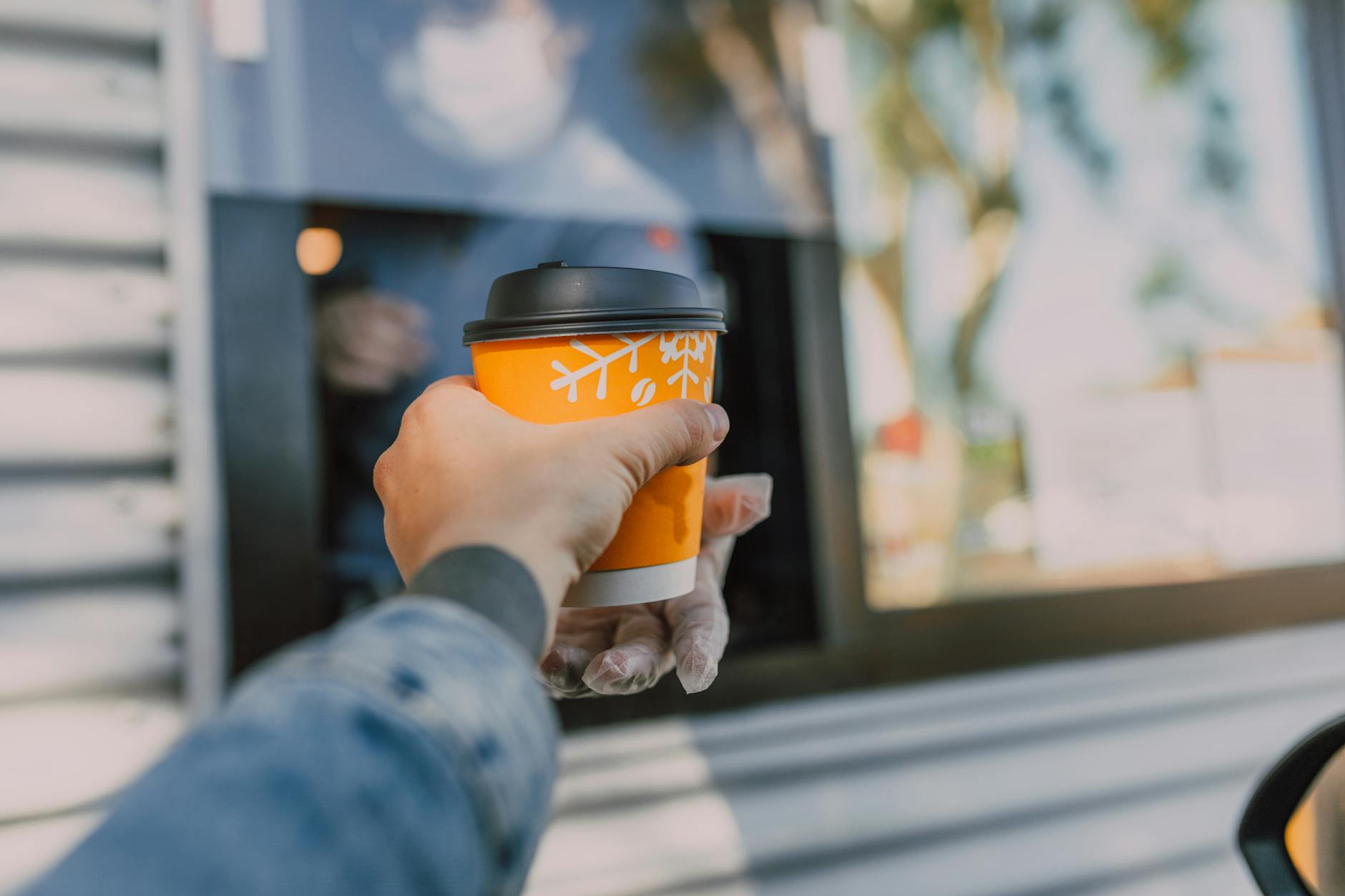
Drive-thru only locations slash operational expenses across multiple areas. These streamlined formats require 40-60% less real estate than traditional restaurants. Smaller footprints mean lower rent, reduced utility costs, and minimal maintenance expenses. Wendy’s reported saving $200,000 annually per location after converting to drive-thru only models in select markets.
Staffing costs plummet without dining room service. Traditional fast food restaurants need hosts, table cleaners, and dining room managers. Drive-thru only locations eliminate these positions entirely. Kitchen staff can focus purely on order preparation and fulfillment. Several chains report operating with 30-40% fewer employees per location while maintaining the same sales volume.
Equipment needs also shrink dramatically. No dining room means no tables, chairs, or extensive interior fixtures. Marketing budgets shift from storefront aesthetics to digital menu boards and efficient ordering technology. Chick-fil-A found their drive-thru only pilot locations generated 15% higher profit margins compared to traditional stores in the same markets.
Technology Integration Enhances Speed and Accuracy
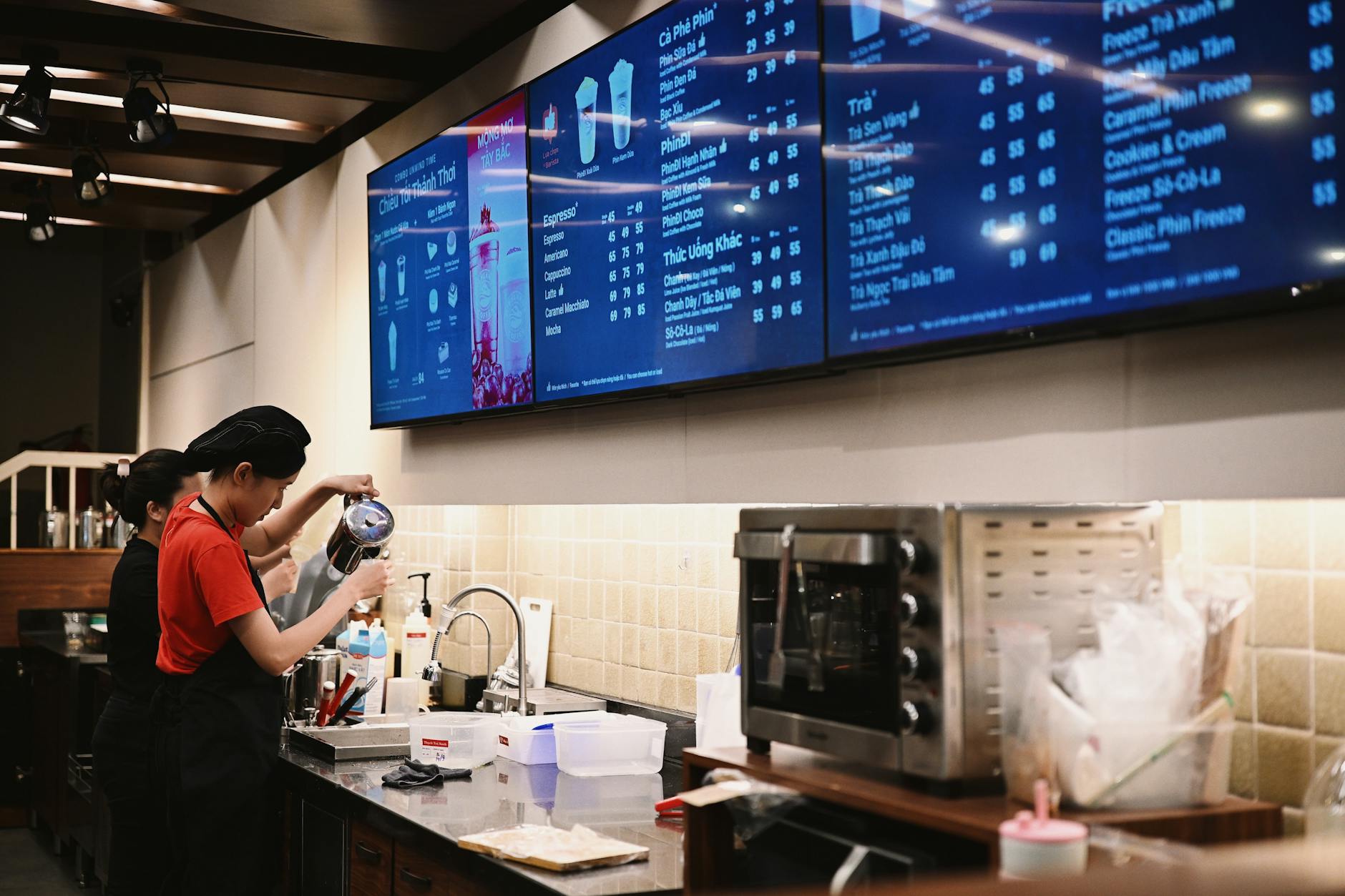
Modern drive-thru operations rely heavily on technological advances that weren’t feasible five years ago. AI-powered ordering systems can process complex customizations and upselling suggestions in real-time. McDonald’s partnership with IBM resulted in voice recognition technology that handles 80% of drive-thru orders without human intervention.
Mobile app integration streamlines the entire process. Customers place orders before arriving, pay digitally, and receive estimated pickup times. KFC’s app-to-car delivery system allows customers to check in upon arrival, triggering immediate order preparation. This reduces average wait times from eight minutes to under three minutes.
Kitchen display systems synchronize with drive-thru queues to optimize food preparation timing. Smart inventory management ensures popular items stay stocked during peak hours. Some locations use predictive analytics to anticipate order volumes based on weather, local events, and historical data. Subway reported 25% faster service times after implementing these integrated systems across their drive-thru only pilot program.
Real Estate Strategy Shifts to High-Traffic Locations
Drive-thru only formats open up previously unusable real estate opportunities. Chains can now build on smaller lots near highways, shopping centers, and busy intersections where traditional restaurants wouldn’t fit. These prime locations often cost less per square foot while generating higher customer traffic volumes.
Urban markets present particular advantages. Dense city areas with limited parking make drive-thru service especially appealing to time-pressed customers. Starbucks has converted dozens of urban locations to drive-thru only models, often adding a second lane to handle increased volume. These converted locations frequently outperform their previous sit-down configurations by significant margins.
Franchise owners find drive-thru only models more attractive investments. Lower startup costs, reduced staffing requirements, and higher profit margins create compelling business cases. Dunkin’ reported that their drive-thru only franchise locations reach profitability 30% faster than traditional stores. This financial appeal drives rapid expansion as franchise networks embrace the format.
Customer Behavior Reinforces the Trend
Consumer preferences have fundamentally shifted toward convenience-first dining experiences. Surveys consistently show that speed of service ranks higher than dining atmosphere for 70% of fast food customers. Drive-thru only locations deliver exactly what these customers prioritize most.
Younger demographics particularly embrace this model. Millennials and Gen Z consumers prefer mobile ordering, contactless payment, and minimal social interaction during routine purchases. Drive-thru only locations align perfectly with these preferences while offering the instant gratification that digital-native customers expect.
The rise of food delivery apps initially seemed to threaten drive-thru business. Instead, many chains discovered that drive-thru only locations serve as efficient pickup points for delivery drivers. This dual-purpose functionality maximizes revenue streams from a single location. Rather than competing with delivery services, drive-thru formats complement them by providing faster, more reliable service than traditional restaurant pickups.
Looking Ahead: The Future of Fast Food Real Estate
The drive-thru only revolution shows no signs of slowing. Industry analysts predict that 60% of all new fast food locations will be drive-thru exclusive by 2030. This shift represents more than operational efficiency – it reflects a fundamental change in how Americans consume food.
Major chains are already testing next-generation concepts. Multi-lane drive-thrus with dedicated mobile order pickup lanes. AI-powered menu recommendations based on weather and time of day. Even autonomous vehicle compatibility as self-driving cars become mainstream.
The implications extend beyond fast food. Coffee shops, pharmacies, and retail stores are adopting similar drive-thru only formats. This business model transformation, much like other major shifts in corporate strategy, reflects deeper changes in consumer behavior and technology capabilities.
Traditional sit-down dining isn’t disappearing, but it’s becoming increasingly specialized. Fast food chains are doubling down on speed and convenience through drive-thru only locations while leaving experiential dining to full-service restaurants. This clear market segmentation benefits both businesses and consumers by delivering exactly what each situation demands.
Frequently Asked Questions
Why are fast food chains choosing drive-thru only locations?
Drive-thru only locations reduce operating costs by 40-60%, require fewer staff, and meet customer preferences for speed and convenience over traditional dining experiences.
How much money do drive-thru only locations save?
Chains report saving $200,000 annually per location through reduced rent, utilities, staffing, and equipment costs compared to traditional restaurants.