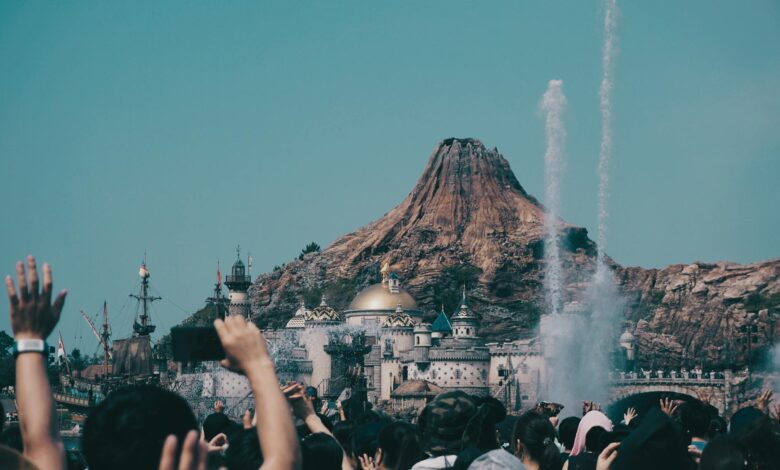
The magic is fading for Disney’s most devoted fans. After decades of building a reputation as the ultimate family destination, Disney’s theme parks are facing unprecedented criticism from the very visitors who once planned annual pilgrimages to Orlando and Anaheim. Long-time Disney enthusiasts are expressing frustration with changes that prioritize profit over the nostalgic experience that made the parks legendary.
Recent surveys indicate that repeat Disney visitors – those who visit multiple times per year – are reducing their park attendance for the first time in decades. The complaints center around fundamental shifts in how Disney operates its parks, from reservation systems that complicate spontaneous visits to premium services that create what critics call a “pay-to-play” environment.

The Genie+ Controversy: When Magic Comes at a Price
Disney’s replacement of the free FastPass system with the paid Genie+ service represents the most visible change alienating longtime visitors. The FastPass system, introduced in 1999, allowed guests to reserve spots in shorter lines at no extra charge. Genie+, launched in 2021, costs additional money per person, per day, and still requires guests to wake up early to secure popular ride reservations.
“I’ve been visiting Disney World since 1985, and this feels like a fundamental betrayal of what Disney represented,” says Maria Rodriguez, a Disney Annual Passholder from Tampa. “Walt Disney wanted to create a place where parents and children could have fun together, regardless of their economic status. Now it feels like they’re creating a two-tier system where wealthy families get a better experience.”
The financial impact is significant for families. A family of four can easily spend an additional $100-150 per day on Genie+ services, on top of already increased ticket prices. For Annual Passholders who previously relied on free FastPass during frequent visits, this represents hundreds of dollars in additional annual costs.
Disney defends Genie+ as offering more personalized experiences and shorter wait times for those who purchase it. However, critics argue that by removing the free alternative, Disney artificially created longer standby lines to drive Genie+ sales.
Park Reservation System: Spontaneity Becomes Scheduled
The park reservation system, initially introduced during COVID-19 reopening, has remained in place despite the return to normal operations. Even Annual Passholders must now reserve specific parks on specific days, often weeks in advance. This system has fundamentally altered how Disney fans experience the parks.
Traditional Disney visitors often planned loose itineraries, deciding which park to visit based on weather, crowds, or simple spontaneity. The reservation system eliminates this flexibility, forcing guests to commit to specific plans far in advance. Popular days fill up quickly, leaving even paying customers unable to visit when they prefer.
The system particularly affects local Annual Passholders who previously treated Disney parks like their neighborhood entertainment venue. “We used to go to Disney on rainy weekends or when we had a few free hours,” explains Jennifer Chen, a Florida resident who recently canceled her family’s Annual Passes. “Now we have to plan Disney visits like we’re booking a vacation. It’s lost that casual, magical feeling.”
Rising Costs Meet Declining Perks
Disney’s pricing strategy has shifted dramatically over the past five years. Ticket prices have increased faster than inflation, while previously included services now require additional payments. The trend mirrors what some economists observe in various sectors, similar to how private school enrollment is declining despite rising public school concerns – consumers reassessing value propositions when costs increase significantly.
Annual Pass prices have seen particularly steep increases. Disney World’s top-tier Annual Pass now costs over $1,400 per person, compared to around $800 just five years ago. Simultaneously, Disney has reduced Annual Pass benefits, eliminating parking perks, merchandise discounts, and special events that previously justified the premium pricing.
Food and merchandise costs have also escalated beyond typical theme park premium pricing. A basic meal for a family of four now easily exceeds $80, while comparable experiences at other theme parks cost significantly less. Disney-branded merchandise, once considered reasonably priced souvenirs, now features luxury-brand pricing that puts simple t-shirts beyond many families’ budgets.
Hotel pricing presents another challenge. Disney resort hotels, once positioned as moderate luxury options, now command rates comparable to high-end urban hotels. A standard room at Disney’s Grand Floridian regularly exceeds $800 per night, pricing out middle-class families who previously could afford on-property stays.
The Experience Quality Debate
Beyond pricing concerns, many longtime visitors report declining experience quality. Ride maintenance issues appear more frequent, with popular attractions experiencing extended closures. Park cleanliness, once Disney’s hallmark, has reportedly declined, with guests noting more trash, longer restroom lines, and less attentive custodial services.
Cast member interactions, traditionally Disney’s differentiating factor, have changed as well. High employee turnover, reportedly driven by low wages relative to Central Florida’s cost of living, means fewer experienced cast members who understand Disney’s service culture. New employees often lack the knowledge and enthusiasm that made Disney interactions memorable.
Food quality at Disney restaurants has faced criticism from food bloggers and longtime visitors who remember better meals at lower prices. Many quick-service locations have simplified menus and reduced portion sizes while increasing prices, creating a perception of declining value.
The crowds themselves have changed Disney’s atmosphere. Higher prices have paradoxically led to more crowded parks, as Disney limits Annual Pass sales while maintaining high daily ticket prices. This creates parks filled with once-in-a-lifetime visitors rather than regular guests who understood Disney etiquette and traditions.

Looking Forward: Can Disney Restore the Magic?
Disney faces a critical decision point. The company’s current strategy successfully drives short-term revenue growth, with Disney Parks division reporting record profits. However, alienating long-term customers risks the emotional connection that built Disney’s brand loyalty across generations.
Some Disney executives acknowledge these concerns. Recent announcements suggest potential modifications to Genie+ and the reservation system, though no concrete changes have been implemented. The company appears to be testing whether current pricing strategies can maintain attendance levels without traditional repeat visitors.
The broader entertainment industry is watching Disney’s experiment closely. Universal Studios has capitalized on Disney’s changes, positioning itself as offering better value and customer service. Other regional theme parks have also gained market share from former Disney loyalists seeking more affordable family entertainment options.
Disney’s challenge lies in balancing profitability with the brand values that created its success. The company that Walt Disney built on accessibility and imagination now risks becoming an exclusive luxury brand that contradicts its foundational principles. Whether Disney can reverse course while maintaining financial performance will determine if the magic returns or if the company has permanently altered its relationship with the fans who made it legendary.
Frequently Asked Questions
Why are Disney fans upset about the new park changes?
Long-time visitors are frustrated with paid services replacing free ones, mandatory reservations eliminating spontaneity, and rising costs for declining experiences.
How much does Disney’s Genie+ service cost compared to the old FastPass?
Genie+ costs $15-29 per person per day, while the previous FastPass system was completely free for all park guests.