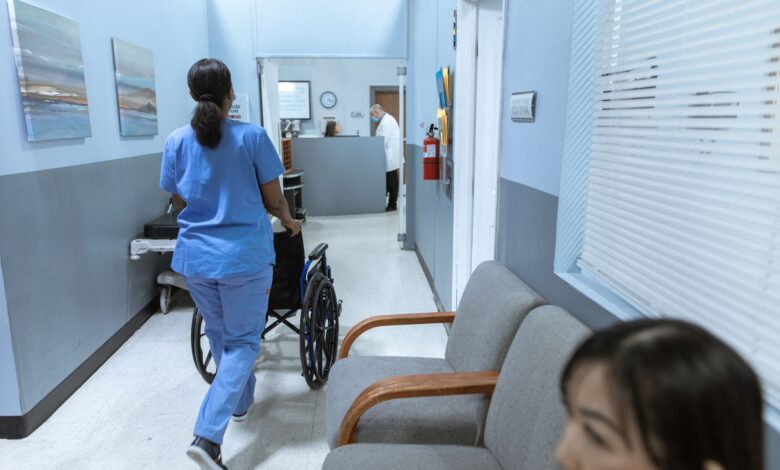
Urgent care chains built their business model on speed and convenience – strep tests, sprained ankles, quick-turnaround labs. Dialysis is the opposite: slow, recurring, deeply clinical, and locked into a patient relationship that can last years. Yet a quiet wave of acquisitions is connecting these two worlds, and the logic behind it says a great deal about where outpatient medicine is heading.
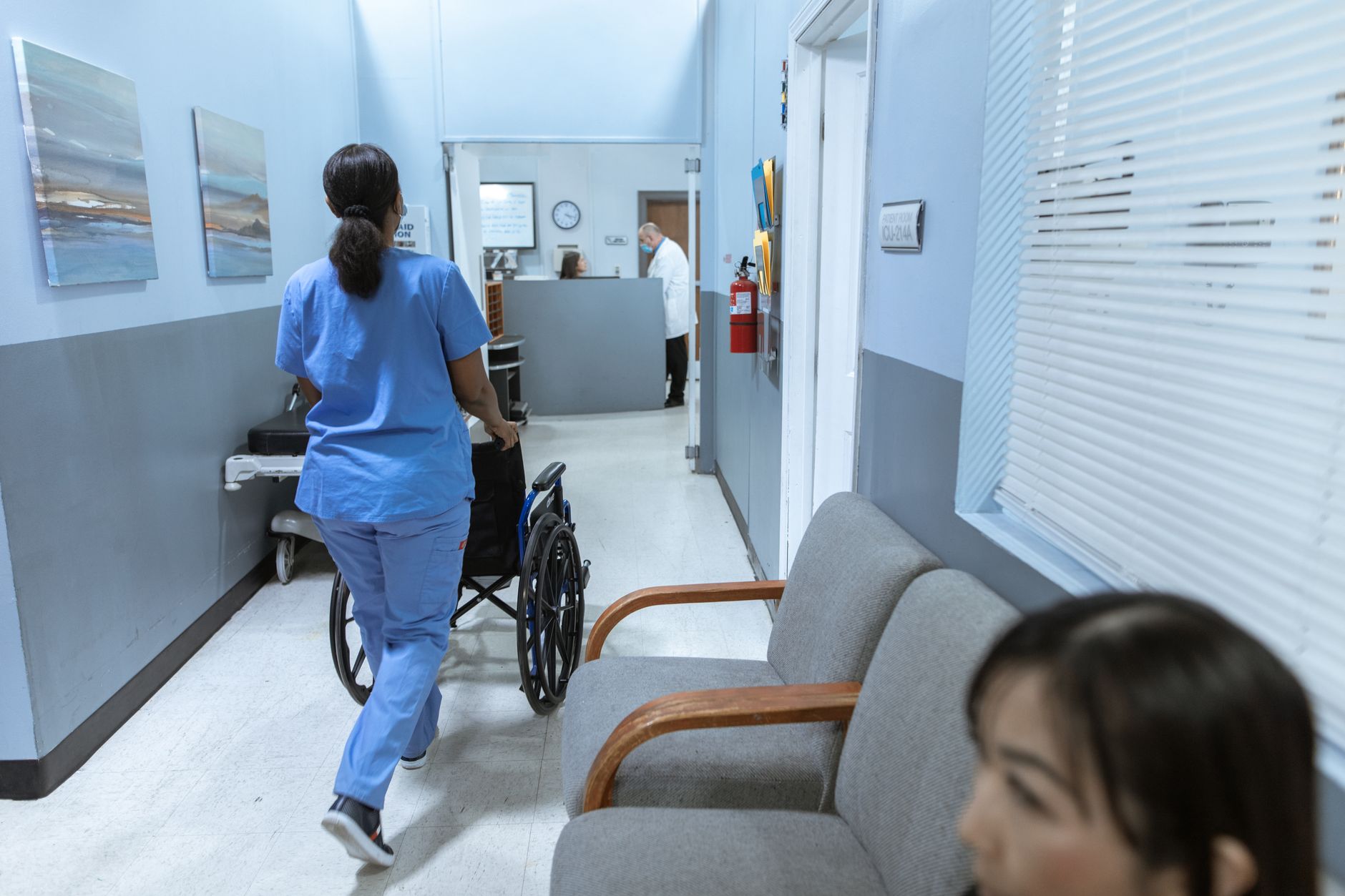
Why Urgent Care Operators Want Dialysis on Their Balance Sheet
Dialysis is one of the most financially durable services in American healthcare. Patients with end-stage renal disease typically require treatment three times per week, every week, for the rest of their lives unless they receive a kidney transplant. That kind of locked-in, recurring volume is almost unheard of in outpatient medicine, where foot traffic fluctuates with flu season and consumer confidence. For urgent care operators who built their empires on high-volume, low-acuity visits, the predictability of a dialysis patient panel is deeply attractive.
Independent dialysis clinics, meanwhile, have been under mounting pressure for years. Reimbursement rates from Medicare – which covers the vast majority of dialysis patients regardless of age under a specific end-stage renal disease provision – have not kept pace with operating costs. Staffing shortages, particularly among dialysis-trained nurses and technicians, have squeezed margins further. Small operators running one or two locations often lack the purchasing power or administrative infrastructure to manage billing complexity, supply contracts, and compliance demands at scale. Many are simply looking for an exit.
Urgent care chains entering this space are not doing so out of clinical curiosity. The acquisition targets are typically undervalued relative to their patient volume, often sitting in suburban or semi-rural markets where the two dominant national dialysis providers – which together control a substantial portion of the U.S. market – have not bothered to plant a flag. Buying an independent clinic in those markets means acquiring a captive patient base with almost no churn and a predictable Medicare billing stream that starts generating revenue from day one.
The strategic appeal goes beyond cash flow. Urgent care chains that have been building toward broader primary care or chronic disease management models see dialysis as a natural anchor. A patient who comes in three times a week for treatment is a patient who can be screened, monitored, and managed for the full range of comorbidities that accompany kidney disease – diabetes, hypertension, cardiovascular risk. That clinical relationship has real value in a fee-for-value reimbursement environment where continuity and outcomes increasingly drive payment.

The Mechanics of the Acquisition Wave
The deals themselves rarely make headlines. A regional urgent care group acquires a two-chair dialysis clinic in a mid-sized metro. A private equity-backed outpatient platform picks up a small nephrology practice that also operates a satellite dialysis unit. The transaction sizes are modest enough to stay below the radar of federal antitrust review, and because independent dialysis operators are not publicly traded, there is no disclosure obligation that would surface the activity. The accumulation only becomes visible when you look at the aggregate – a cluster of independently owned clinics in a given region that, within a few years, all carry the same parent company.
Private equity is the connective tissue in many of these deals. The playbook is familiar: acquire fragmented, cash-flow-positive businesses in a regulated industry, consolidate back-office functions, renegotiate supplier contracts across the combined entity, and either roll up toward a larger strategic sale or hold for recurring income. Dialysis fits this model almost perfectly. The regulatory environment creates barriers to entry that protect existing operators, reimbursement is relatively stable because it flows from a federal entitlement program, and the patient base does not disappear when a competitor opens nearby.
Urgent care chains specifically benefit from a geographic overlap that makes integration easier than it sounds. Their existing clinic networks often sit in the same strip-mall and suburban medical office park locations where independent dialysis operators set up shop. Sharing a facility – or at minimum sharing a referral pipeline – between an urgent care unit and a dialysis suite creates operational efficiencies that a standalone dialysis clinic cannot replicate. Lab services, front-desk staffing, and patient intake systems can be shared across both service lines without significant capital investment.
The patient referral dynamic also works in the acquirer’s favor. Urgent care visits frequently surface undiagnosed or poorly managed chronic kidney disease. A patient who presents with elevated creatinine or poorly controlled blood pressure becomes, in an integrated model, a potential dialysis patient down the line. Owning both ends of that care pathway – the point of detection and the point of treatment – creates a vertically integrated revenue model that traditional urgent care operators have never had access to before.
Not every acquisition goes smoothly. Dialysis is a heavily regulated specialty with its own licensing requirements, staffing ratios, and water treatment standards that urgent care operators are not trained to manage. Some acquirers have underestimated the clinical complexity and found themselves relying entirely on the retained staff of the acquired clinic, which creates dependency and limits the cost synergies they projected. There have also been cases where acquisition activity in smaller markets has drawn scrutiny from state health regulators concerned about ownership consolidation and the potential for reduced patient choice – a concern that is worth watching as the pace of deals continues. The broader pattern of healthcare consolidation squeezing independent operators and reducing patient options in rural and suburban markets is already playing out in other sectors, as seen with rural hospital closures pushing patients toward telehealth alternatives.
What Patients and Regulators Are Not Seeing
The transparency problem here is real. Dialysis patients are among the most medically vulnerable populations in outpatient care – they are often elderly, frequently have multiple chronic conditions, and are entirely dependent on consistent access to treatment. When ownership changes hands quietly, those patients may not know their clinic is now part of a regional urgent care network with different financial incentives and a corporate parent focused on margin optimization. The standard of care may not change immediately, but the pressure on clinic-level costs almost always does. Staffing ratios get reviewed. Supply contracts get renegotiated. Scheduling gets compressed.

Federal oversight of dialysis ownership has historically focused on the two dominant national chains, not on the fragmented middle tier where these acquisitions are happening. State health departments vary widely in what they require by way of ownership disclosure when a clinic changes hands, and the Centers for Medicare and Medicaid Services does not currently require public reporting of sub-threshold transactions in the dialysis space. That gap in visibility means the consolidation can advance considerably before regulators have a clear picture of how concentrated ownership in any given regional market has actually become.