Third Party Candidates Gain Unprecedented Ballot Access in Presidential Swing States


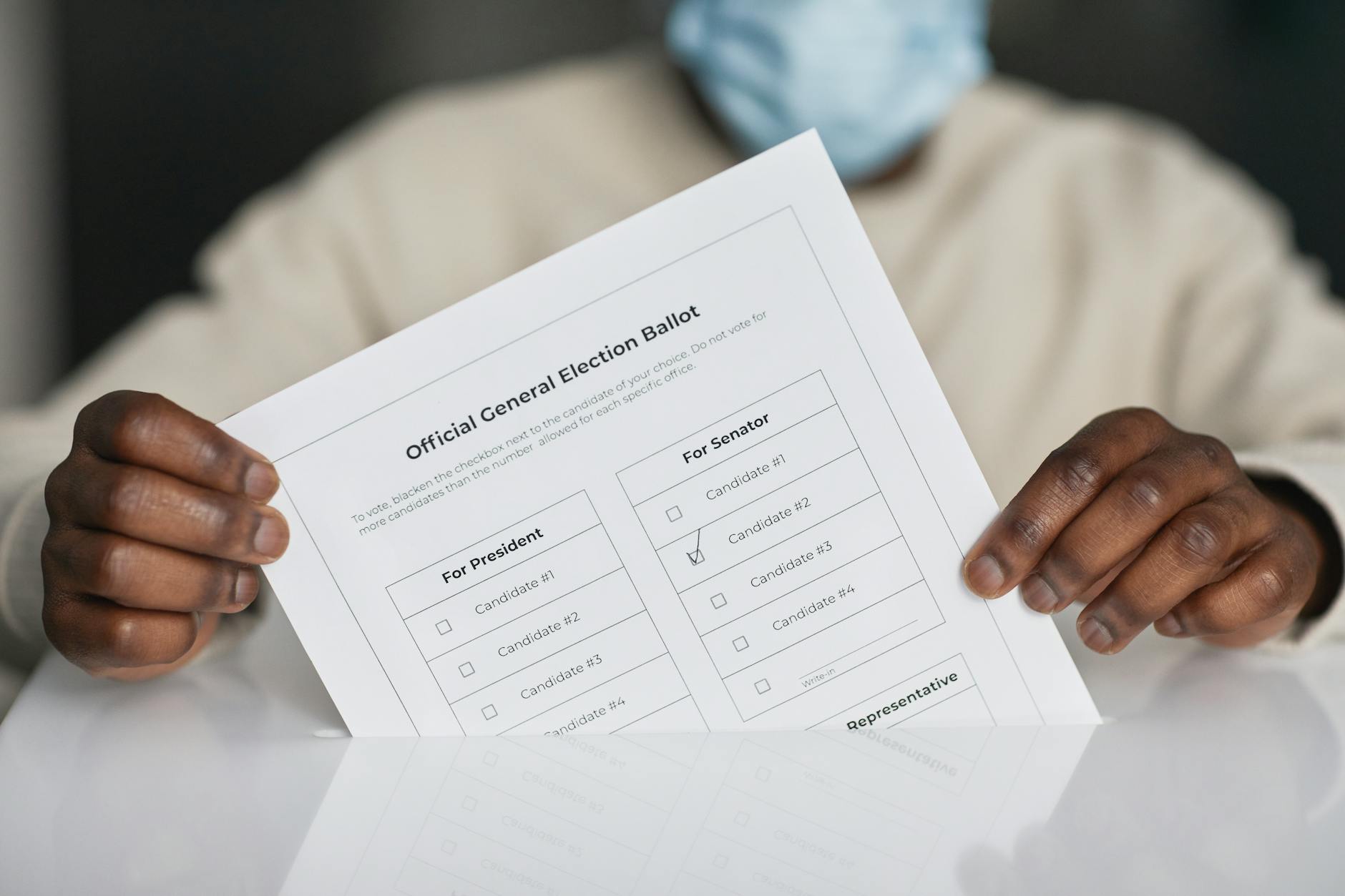
The 2024 presidential election is witnessing something remarkable: third-party candidates are securing ballot access in crucial swing states at levels not seen in decades. While Americans have grown accustomed to presidential races dominated by two major parties, this cycle presents voters with more viable alternatives than any election since 1996.
From Arizona to Pennsylvania, independent and third-party candidates are meeting signature requirements and navigating complex ballot access laws with unprecedented success. The Green Party’s Jill Stein has already secured placement in multiple battleground states, while the Libertarian Party continues its track record of broad ballot access. Independent candidate Robert F. Kennedy Jr. has mounted an aggressive ballot access campaign, reportedly gathering signatures in all 50 states before suspending his campaign and endorsing Donald Trump in August 2024.
This surge in ballot access represents more than just procedural success – it reflects growing voter dissatisfaction with traditional two-party options and demonstrates the organizational capacity of alternative political movements.

Record-Breaking Signature Drives Overcome Historical Barriers
Third-party candidates face formidable obstacles in reaching ballots, with requirements varying dramatically by state. Some states require as few as 1,000 signatures, while others demand tens of thousands along with filing fees that can exceed $50,000. Despite these barriers, 2024 has seen the most successful third-party ballot access efforts in recent memory.
The Libertarian Party, which has maintained ballot access in all 50 states since 2020, continues to provide a consistent alternative to major party candidates. Their institutional knowledge of ballot access procedures has proven invaluable, as state-by-state requirements often involve complex legal language and tight deadlines that can trip up inexperienced campaigns.
Green Party organizers have focused resources on swing states where their presence could have maximum impact. Stein’s campaign has successfully navigated the challenging signature requirements in states like Wisconsin, where third parties must collect over 2,000 signatures, and Michigan, which requires signatures from registered voters who didn’t participate in the primary election.
Independent campaigns face even steeper challenges, as they lack the institutional support of established parties. Kennedy’s campaign, before its suspension, demonstrated the resources required for a truly national ballot access effort, employing paid signature gatherers across multiple states and maintaining legal teams to challenge restrictive ballot access laws.
The success of these efforts has prompted discussions about ballot access reform. Critics argue that current requirements create artificial barriers that limit voter choice and protect the two-party duopoly. Supporters contend that signature requirements ensure candidates have genuine grassroots support before appearing on ballots.
Swing State Mathematics Change With Additional Options
The presence of third-party candidates in swing states introduces new variables into electoral calculations that have traditionally focused on Republican versus Democratic vote shares. In states where margins of victory often measure in thousands rather than hundreds of thousands of votes, third-party candidates can influence outcomes even without winning.
Wisconsin exemplifies these dynamics. The state’s electoral history shows multiple elections decided by razor-thin margins, including the 2016 presidential race where Donald Trump won by fewer than 23,000 votes. Third-party candidates combined received over 100,000 votes that year, demonstrating their potential impact on close races.
Pennsylvania presents another compelling case study. As the nation’s largest swing state with 19 electoral votes, even small percentages of third-party support can influence national outcomes. The state’s diverse electorate includes voters attracted to libertarian positions on social issues, Green Party environmental policies, and independent candidates who reject traditional party politics entirely.
Arizona’s changing demographics have made it increasingly competitive, transforming from a reliably Republican state to a genuine toss-up. Third-party candidates in Arizona often draw support from voters dissatisfied with both major parties’ positions on issues like immigration, climate policy, and government spending. The state’s independent voter registration has grown significantly, creating a pool of potential supporters for alternative candidates.
Michigan’s industrial heritage and environmental concerns create unique opportunities for third-party messaging. Green Party candidates can appeal to voters prioritizing climate action, while libertarian candidates may attract supporters of smaller government and reduced regulation. The state’s experience with third-party influence dates back decades, including Ralph Nader’s 2000 campaign that drew significant support in key counties.
Campaign strategists for major party candidates must now account for these additional variables when allocating resources and crafting messages. Traditional polling models that focus on two-way races may underestimate or overestimate support levels, complicating campaign decision-making in the final weeks before elections.
Voter Demographics Drive Alternative Candidate Appeal
The success of third-party ballot access efforts reflects broader changes in American political attitudes, particularly among younger voters and political independents. Polling consistently shows growing numbers of Americans identify as independents rather than Democrats or Republicans, creating potential constituencies for alternative candidates.
Young Latino voters are reshaping Democratic primary strategies nationwide, but many remain open to candidates outside traditional party structures when their preferred issues receive insufficient attention from major party nominees. Environmental concerns, student debt relief, and criminal justice reform resonate across party lines, creating opportunities for candidates who prioritize these issues regardless of party affiliation.
Third-party candidates often attract supporters through single-issue focus or ideological consistency that major party candidates, constrained by coalition politics, cannot match. Libertarian candidates appeal to voters who combine fiscally conservative and socially liberal positions that don’t align neatly with either major party. Green Party candidates attract environmentally focused voters who view climate change as an existential threat requiring immediate action.
The rise of social media and digital campaigning has also leveled the playing field for alternative candidates. While they cannot match major party spending on television advertising, third-party candidates can reach targeted audiences through online platforms at relatively low cost. Viral moments, debate performances, and grassroots organizing can amplify their messages beyond traditional media coverage.
Independent voters, now comprising the largest bloc of the American electorate in many states, represent a crucial constituency for third-party candidates. These voters often express frustration with partisan gridlock and seek candidates who prioritize problem-solving over party loyalty. Third-party candidates can position themselves as alternatives to what many voters perceive as an increasingly polarized political system.
Electoral Impact Beyond Vote Totals
The presence of viable third-party candidates influences elections even when they don’t win significant vote shares. Major party candidates must address issues and constituencies they might otherwise ignore, expanding the range of topics discussed during campaigns and potentially affecting policy positions.
Third-party ballot access success also demonstrates the organizational capacity of alternative political movements. The volunteers, donors, and activists who support ballot access drives represent engaged citizens who may influence future elections through continued political participation. These networks often persist beyond individual campaigns, building infrastructure for future electoral efforts.
Legal challenges to ballot access requirements, often mounted by third-party campaigns, can result in reforms that benefit all candidates. Successful court cases challenging restrictive signature requirements or filing fees create precedents that make ballot access easier for future candidates, potentially increasing electoral competition over time.
The 2024 election cycle’s unprecedented third-party ballot access success signals a potentially significant shift in American electoral politics. Whether these candidates influence November outcomes or simply provide voters with additional choices, their presence on swing state ballots represents the most robust challenge to two-party dominance in decades. As traditional party coalitions continue evolving and voter frustration with conventional politics persists, the infrastructure and experience gained through these ballot access efforts may reshape American elections for years to come.
Frequently Asked Questions
How do third-party candidates get on presidential ballots?
They must meet state-specific requirements including signature collection from registered voters and filing fees, which vary significantly across states.
Can third-party candidates affect swing state election outcomes?
Yes, even small vote percentages can influence results in closely contested states where margins of victory are often narrow.