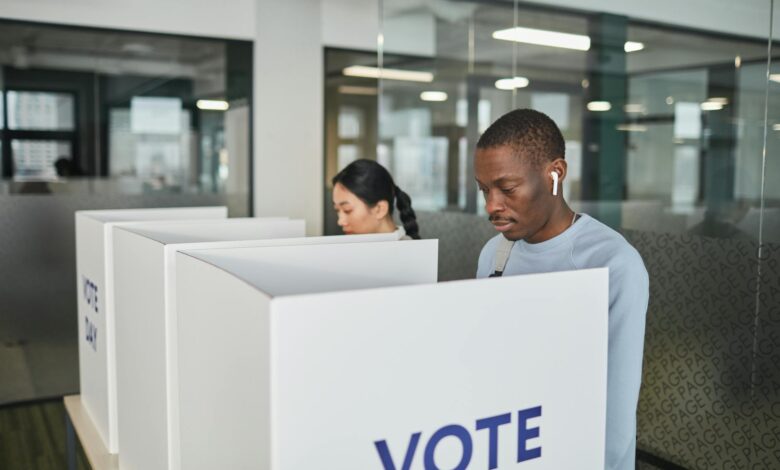
Third-party gubernatorial candidates are polling at their highest levels in decades, with independent and minor party contenders gaining significant traction in at least eight states heading into the 2024 election cycle. From Alaska’s established independent streak to unexpected insurgencies in traditionally two-party strongholds, alternative candidates are capitalizing on widespread voter dissatisfaction with mainstream political options.
The phenomenon extends beyond typical swing states. In Kansas, independent candidate Dennis Pyle has consistently polled in double digits, while Alaska’s former Governor Bill Walker continues to demonstrate the viability of independent campaigns in a state where such candidacies have historical precedent. Meanwhile, Green Party and Libertarian candidates are achieving ballot access and meaningful polling numbers in states like Maine, Vermont, and New Mexico.
This surge reflects broader electoral trends that have been building since 2016. Voter registration data shows increasing numbers of Americans identifying as independents rather than affiliating with either major party. According to Gallup polling, independent identification has consistently outpaced both Democratic and Republican registration in recent years, creating a substantial pool of voters potentially receptive to third-party messages.
Breaking Through Traditional Barriers
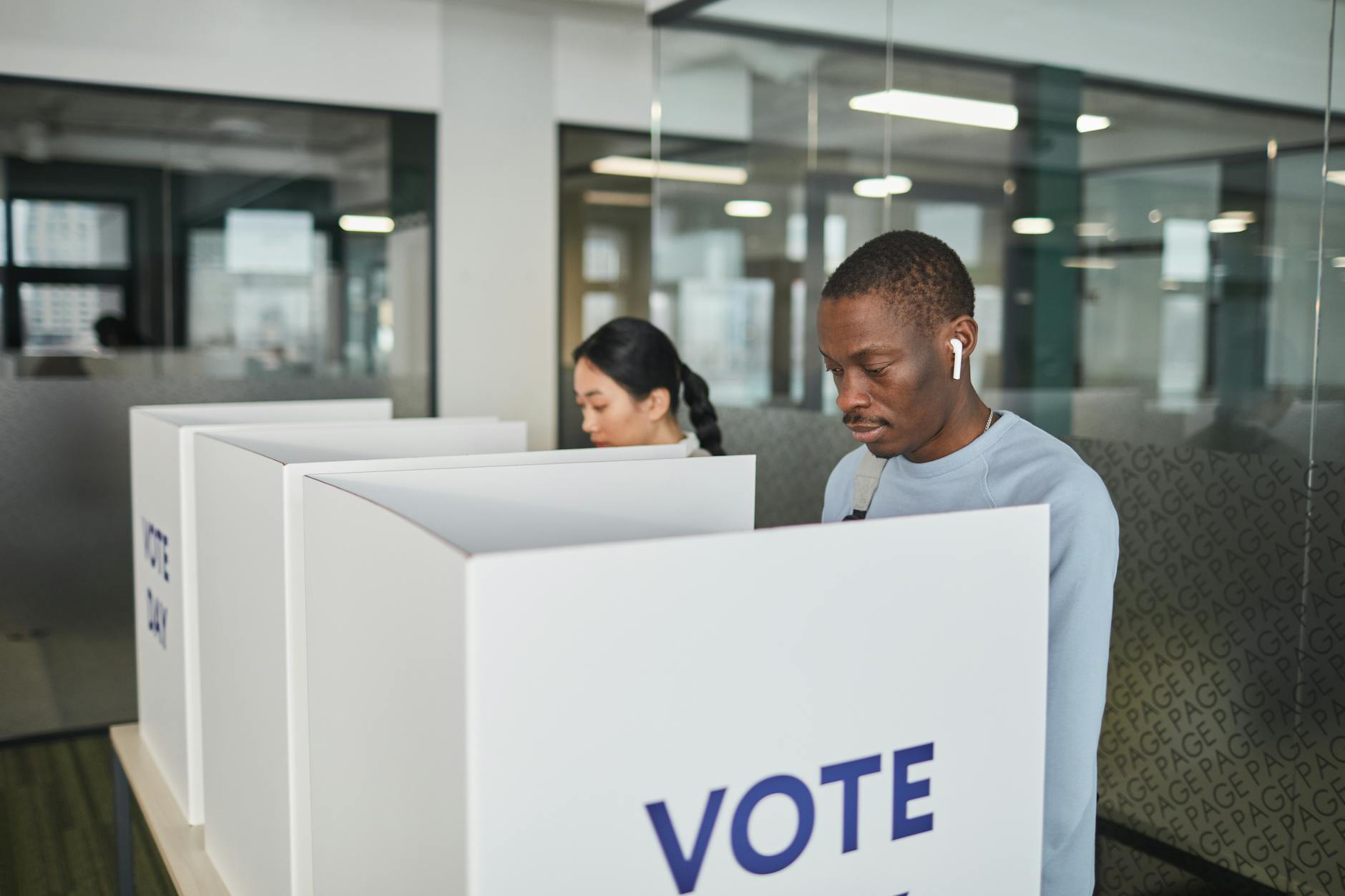
Third-party candidates face significant structural challenges that have historically limited their electoral success. Ballot access requirements vary dramatically by state, with some demanding tens of thousands of petition signatures and substantial filing fees. Campaign finance advantages heavily favor major party candidates who benefit from established donor networks and party infrastructure.
However, several factors are helping alternative candidates overcome these traditional barriers. Social media platforms have democratized political messaging, allowing candidates with limited budgets to reach substantial audiences without relying on expensive television advertising. Grassroots fundraising through online platforms has enabled some third-party campaigns to achieve financial viability previously reserved for major party contenders.
The success of ranked choice voting initiatives is also creating more favorable conditions for third-party campaigns. Maine’s implementation of ranked choice voting has already demonstrated how alternative electoral systems can reduce the “spoiler effect” that traditionally discourages voters from supporting non-major party candidates. Alaska’s adoption of ranked choice voting has created additional opportunities for independent candidates to compete effectively.
Several states have also reformed their ballot access requirements in recent years, reducing signature thresholds or extending collection periods. These changes, often implemented quietly through legislative processes, have significantly lowered barriers for third-party participation in gubernatorial races.
Policy Positions Resonating with Voters
Third-party gubernatorial candidates are finding success by staking out positions that differentiate them from major party orthodoxy. Many emphasize pragmatic governance over partisan ideology, appealing to voters frustrated with legislative gridlock and polarized political discourse.
Environmental issues have become particularly fertile ground for third-party candidates. Green Party gubernatorial candidates in several states are drawing support from voters who view Democratic environmental commitments as insufficient while finding Republican positions completely unacceptable. These candidates often advocate for more aggressive climate action while maintaining local economic considerations.
Libertarian candidates are gaining traction with fiscal responsibility messages that emphasize both reduced government spending and social liberalism. This combination appeals to voters who support conservative fiscal policies but reject traditional Republican positions on social issues like drug policy, criminal justice reform, and civil liberties.
Independent candidates often position themselves as problem-solvers willing to work with elected officials from both parties. This messaging resonates particularly well in states where voters have experienced prolonged periods of divided government or legislative dysfunction. Candidates emphasize their freedom from party pressure and ability to make decisions based on state-specific needs rather than national party priorities.
Healthcare policy has emerged as another area where third-party candidates are finding distinctive messaging opportunities. Some advocate for single-payer systems that go beyond Democratic proposals, while others support market-based reforms that differ from typical Republican approaches. These positions can attract voters dissatisfied with mainstream healthcare reform proposals from both major parties.
Impact on Major Party Strategies
The rise of competitive third-party candidacies is forcing major party campaigns to reconsider traditional strategic approaches. Republican and Democratic gubernatorial candidates can no longer assume they only need to differentiate themselves from one major opponent.
Campaign resource allocation becomes more complex when multiple candidates are competing for voter attention. Major party candidates must decide whether to engage third-party opponents directly or risk allowing alternative candidates to define debate parameters. Ignoring third-party candidates can allow them to gain momentum unchallenged, while engaging them can elevate their profile and legitimize their candidacies.
Union endorsement strategies are also evolving as labor organizations increasingly consider endorsing candidates based on specific policy positions rather than automatic party affiliation. Some third-party candidates have successfully courted union support by taking stronger pro-labor positions than major party alternatives.
Polling methodology has had to adapt to multi-candidate races where traditional two-party modeling becomes inadequate. Pollsters are investing more resources in identifying likely third-party voters and understanding their preference patterns, leading to more sophisticated electoral forecasting models.

Electoral Math and Future Implications
The mathematical realities of gubernatorial elections create both opportunities and challenges for third-party success. Unlike presidential elections where electoral college dynamics favor two-party competition, gubernatorial races operate on simple plurality systems that can theoretically allow third-party victories with relatively modest vote shares.
Several gubernatorial races in 2022 demonstrated how third-party candidates could influence outcomes even without winning. In closely contested states, third-party vote totals exceeded victory margins, highlighting their potential impact on major party calculations. This dynamic is encouraging more third-party candidates to enter 2024 races with realistic expectations of influencing outcomes.
The success of independent and third-party gubernatorial candidates could have significant implications for future political development. Governors possess substantial policy-making authority and platform visibility that can launch broader political movements. Third-party governors could demonstrate alternative governance approaches and build organizations capable of competing in federal elections.
State-level electoral reforms initiated by third-party governors could create more favorable conditions for alternative candidates throughout the political system. Changes to ballot access requirements, campaign finance regulations, or electoral systems could have lasting impacts on political competition.
The 2024 gubernatorial elections will serve as a crucial test of whether third-party political movements can achieve sustainable electoral success. Current polling suggests several races where third-party candidates have realistic chances of victory or at least significant influence on outcomes. The results will likely shape third-party strategy and major party responses for years to come, potentially marking a fundamental shift in American electoral politics toward more competitive multi-party systems.
Frequently Asked Questions
Why are third-party candidates gaining more support in gubernatorial races?
Voter dissatisfaction with major parties, improved ballot access, and social media democratizing campaign messaging are helping third-party candidates overcome traditional barriers.
How do third-party candidates impact major party election strategies?
They force major parties to reconsider resource allocation and messaging while potentially influencing outcomes in close races where their vote totals exceed victory margins.