The pandemic’s emergency pivot to remote learning created a massive technology experiment involving 1.6 billion students worldwide. While schools scrambled to maintain educational continuity, the digital transformation revealed surprising beneficiaries and unexpected casualties across the education technology ecosystem.
Three years later, the dust has settled on this unplanned global trial, and the results challenge conventional wisdom about who would thrive in the digital education revolution. Some companies that seemed perfectly positioned for remote learning dominance found themselves struggling, while others capitalized on opportunities nobody saw coming.

The Unexpected Champions: Beyond Video Calls
Zoom became synonymous with remote learning, but the platform’s educational success masked more interesting developments elsewhere. Learning management systems like Canvas and Blackboard saw explosive growth, but it was collaboration tools designed for business that truly surprised educators.
Microsoft Teams for Education emerged as an unlikely winner, leveraging its integration with Office 365 to become many schools’ default hub. The platform’s ability to combine video calls, file sharing, and assignment distribution in one interface proved more valuable than specialized education software that required multiple logins.
Educational content creators on YouTube and Khan Academy experienced unprecedented growth, but the real surprise came from gaming platforms. Minecraft Education Edition saw usage increase by over 650% during peak remote learning periods, as teachers discovered its potential for virtual field trips and interactive lessons. Roblox, primarily known as a gaming platform, quietly launched educational experiences that attracted millions of students seeking more engaging alternatives to traditional online classes.
The winners weren’t just technology companies. Tutoring services like Varsity Tutors and Wyzant saw demand skyrocket as parents sought personalized help for children struggling with remote instruction. Even furniture retailers like IKEA and office supply chains benefited from families creating dedicated learning spaces at home, similar to how rising interest rates are changing millennial home buying patterns by forcing families to reimagine existing spaces.
The Surprising Struggles: When Preparation Wasn’t Enough
Google Classroom, despite being free and widely adopted, faced criticism for being too basic compared to competitors offering richer features. The platform’s simplicity, initially seen as an advantage, became a limitation when teachers needed sophisticated tools for assessment and engagement.
Traditional textbook publishers like Pearson and McGraw-Hill struggled more than expected. Their digital platforms, developed over years, couldn’t match the flexibility and user experience students had come to expect from consumer technology. Many teachers bypassed publisher platforms entirely, creating content using tools like Canva, Padlet, and Flipgrid.
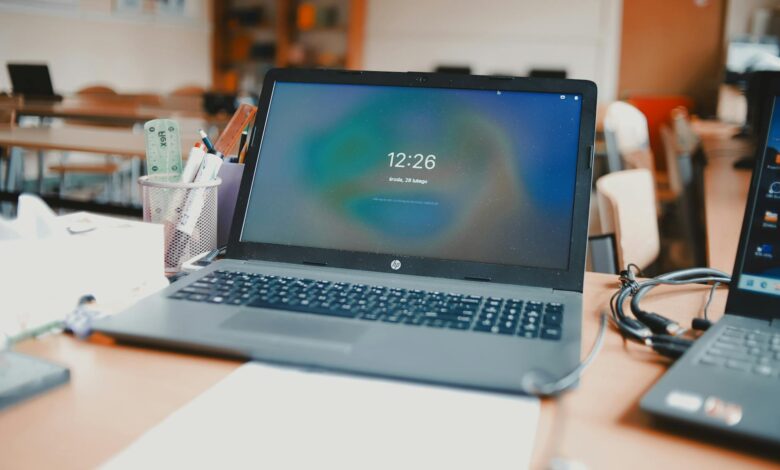
Hardware manufacturers faced unexpected challenges too. While laptop sales initially surged, the global chip shortage created massive supply chain disruptions. Companies like Lenovo and HP, which had positioned themselves as education technology leaders, couldn’t meet demand. Meanwhile, tablet manufacturers found that devices optimized for media consumption weren’t ideal for typing-heavy schoolwork.

Even some purpose-built education technology companies stumbled. Platforms that required extensive teacher training saw adoption rates plummet when schools needed solutions they could implement immediately. The crisis rewarded simplicity and intuitive design over sophisticated features that required professional development time nobody had.
The Infrastructure Reality Check
The remote learning experiment exposed critical infrastructure gaps that created unexpected market dynamics. Internet service providers like Comcast and Verizon launched emergency programs to provide free or discounted internet to students, but rural broadband providers became unlikely heroes in many communities.
School districts discovered that their existing Wi-Fi infrastructure couldn’t handle the bandwidth demands of simultaneous video calls. This created opportunities for networking companies like Cisco and Aruba, which saw education sector revenue increase significantly as schools upgraded their systems.
The digital divide became starkly visible, creating demand for creative solutions. Comcast opened Wi-Fi hotspots in parking lots near schools, while T-Mobile provided free mobile hotspots to students. These stopgap measures highlighted how unprepared many communities were for digital-first education.
Device management became another unexpected challenge. Companies like Jamf and Google’s Chrome Enterprise saw increased demand as schools needed to remotely manage thousands of student devices. The ability to push updates, install educational apps, and ensure security from a distance became critical capabilities that many districts had never considered essential.
The Assessment Evolution
Traditional testing companies faced an existential crisis as proctored exams became nearly impossible to administer remotely. This created opportunities for alternative assessment platforms like Kahoot, which saw usage increase by over 200% during remote learning periods.
The shift away from high-stakes testing opened doors for competency-based assessment tools and portfolio platforms. Companies that had struggled to gain traction in traditional educational settings suddenly found receptive audiences among teachers looking for more authentic ways to evaluate student learning.
Looking Forward: Permanent Changes in Education Technology
The remote learning experiment permanently altered expectations for educational technology. Students and teachers now expect seamless integration between different platforms, something that was nice-to-have before the pandemic but is now considered essential.
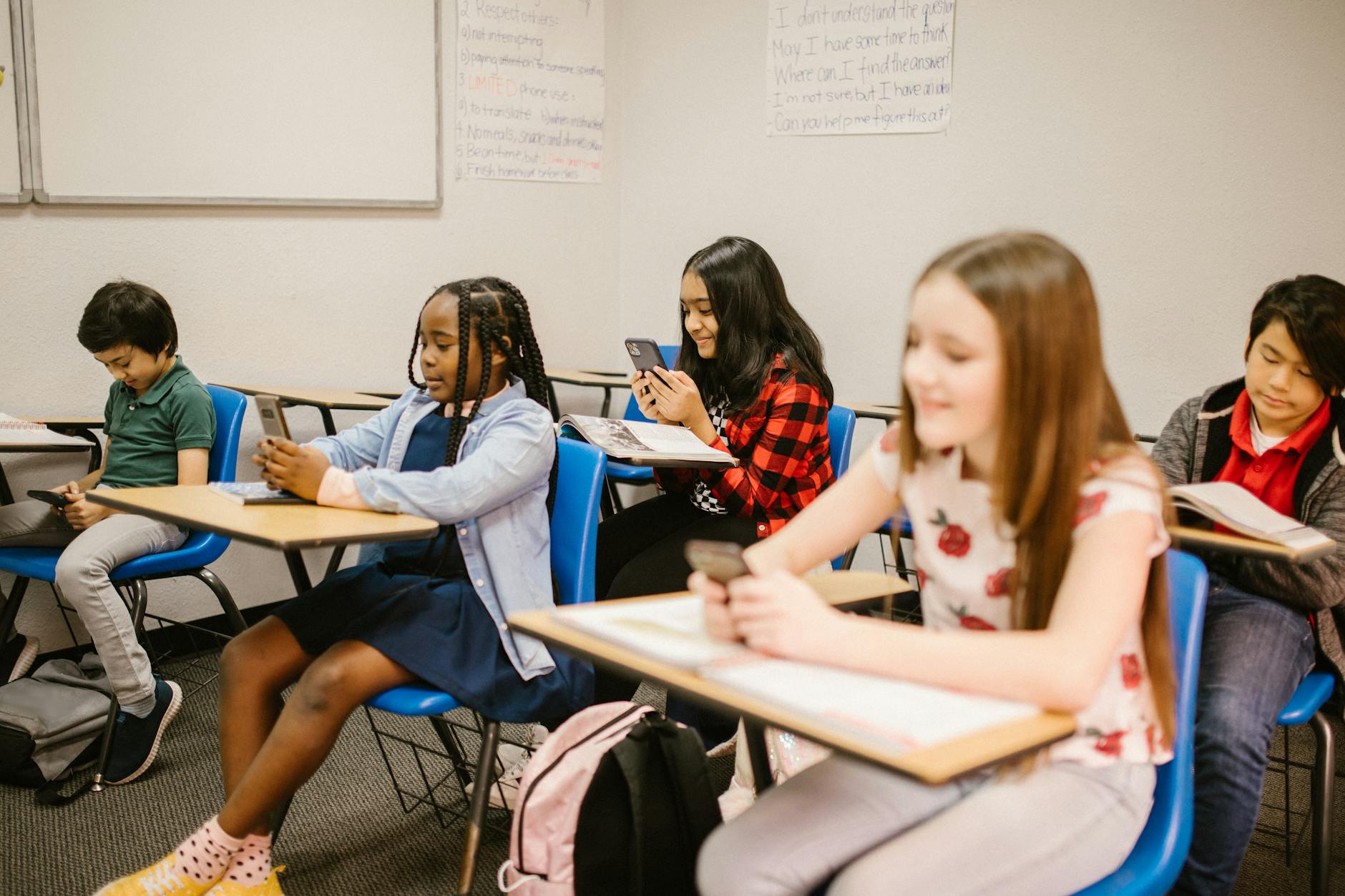
Hybrid learning models are becoming the norm, creating sustained demand for technology that works equally well in person and remotely. This shift is driving innovation in areas like interactive whiteboards, classroom cameras, and simultaneous in-person and virtual instruction tools.
The winners and losers of remote learning reveal a broader truth about technology adoption in crisis situations: success often depends more on adaptability and user experience than on being purpose-built for education. As schools continue to evolve their technology strategies, the lessons learned during this unprecedented global experiment will shape educational infrastructure decisions for years to come.
The companies that thrived during remote learning understood that in crisis situations, simplicity beats sophistication, integration trumps features, and immediate usability matters more than long-term training potential. These insights are now informing technology development across industries, much like how corporate America’s shift toward economic mobility initiatives reflects lessons learned about what actually drives meaningful change.
Frequently Asked Questions
Which companies benefited most from remote learning adoption?
Microsoft Teams, gaming platforms like Minecraft Education, and tutoring services saw the biggest unexpected growth during remote learning.
Why did some education technology companies struggle during remote learning?
Many specialized platforms required extensive training time that schools didn’t have, while overly complex features hindered quick adoption during crisis implementation.