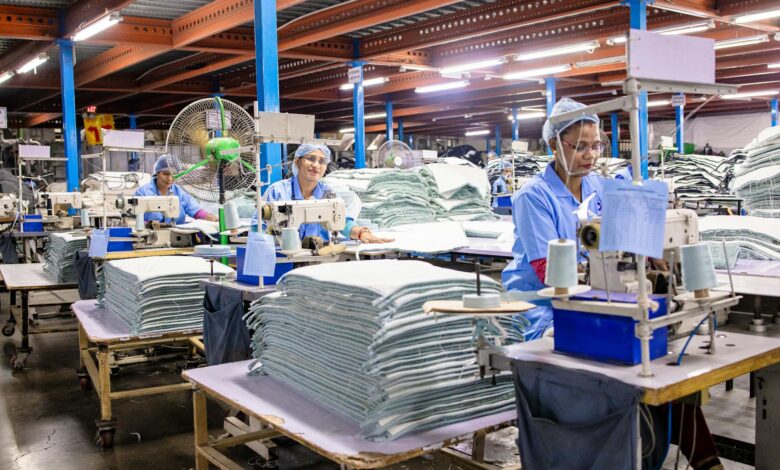
A manufacturing revolution is quietly reshaping American industry, but it’s not about robots or artificial intelligence. Workers at companies across the country are becoming owners of the businesses they once simply worked for, fundamentally changing how factories operate and who profits from their success.
Employee Stock Ownership Plans, or ESOPs, have gained significant traction in the manufacturing sector over the past decade. These arrangements transfer company ownership to workers through stock holdings, creating a workforce with direct financial stakes in productivity, quality, and long-term business health. Recent data from the National Center for Employee Ownership shows manufacturing leads all sectors in new ESOP formations, with over 200 companies transitioning to employee ownership in the past three years alone.
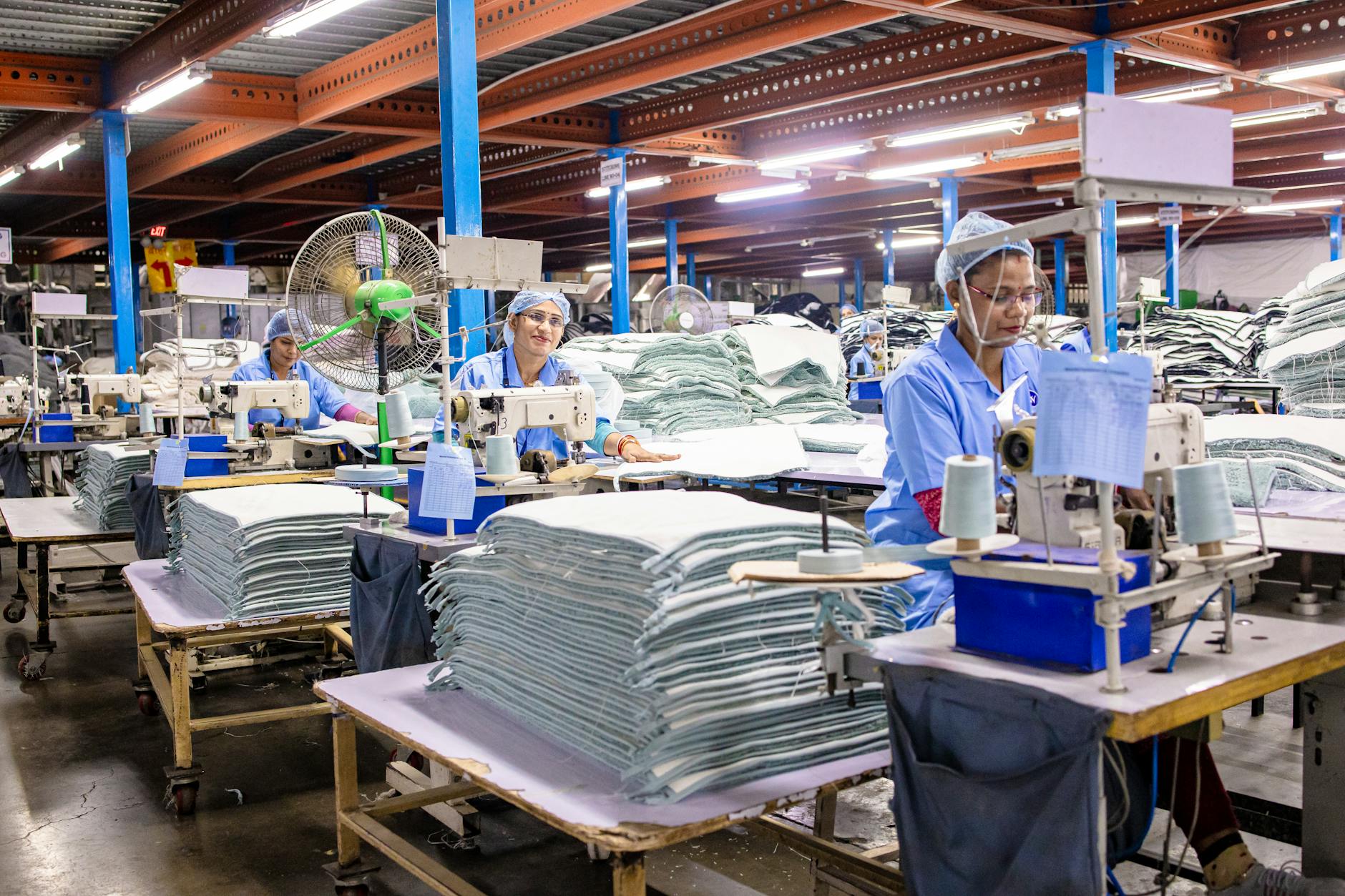
The shift represents more than a financial restructuring. It signals a fundamental change in how businesses approach worker engagement, retention, and operational efficiency in an increasingly competitive global marketplace.
From Paycheck to Partnership: The ESOP Transformation
Traditional manufacturing models rely on clear hierarchies between management and workers, with ownership concentrated among founders, investors, or shareholders. Employee Stock Ownership Plans dissolve these boundaries by gradually transferring company shares to workers through trust funds, typically at no cost to employees.
King Arthur Baking Company exemplifies this transformation. The Vermont-based flour producer, founded in 1790, transitioned to employee ownership in 2004. Workers now hold 100 percent of company shares, making decisions collectively on everything from product development to facility investments. The company reports higher employee retention rates and increased productivity since the transition.
Similar stories emerge across diverse manufacturing subsectors. New Belgium Brewing became employee-owned in 1996, growing from a small Fort Collins operation to a national craft beer leader before its recent acquisition. Publix Super Markets, though primarily retail, maintains extensive manufacturing operations for its private-label products, operating as an employee-owned company since 1945.
The financial mechanics vary, but most ESOPs follow established patterns. Companies establish employee stock ownership trusts, which purchase shares using loans often guaranteed by the selling owners. Workers earn shares based on tenure and compensation, building retirement wealth tied directly to company performance. Upon leaving, employees sell their shares back to the company at fair market value.
Economic Drivers Behind the Movement
Several economic factors fuel manufacturing’s embrace of employee ownership. Baby Boomer business owners face retirement decisions with limited succession options. Family members often lack interest in manufacturing operations, while external buyers may prioritize cost-cutting over community investment. Employee ownership offers continuity while preserving company culture and local employment.
Tax advantages sweeten the arrangement. Business owners can defer or eliminate capital gains taxes by selling to ESOPs, provided they reinvest proceeds in qualified securities. Companies themselves gain tax benefits, as ESOP contributions are tax-deductible up to 25 percent of eligible payroll. Fully employee-owned S-corporations pay no federal income taxes, passing savings to workers and reinvestment opportunities.
The competitive landscape also drives adoption. Manufacturing faces persistent skilled labor shortages, with older workers retiring faster than younger employees enter the field. Employee ownership creates powerful retention incentives, as workers forfeit accumulated shares by leaving early. Companies report reduced turnover and improved recruitment, as ownership stakes attract quality candidates seeking long-term career stability.

Global competition pressures further encourage employee ownership adoption. As companies reassess their operational strategies, employee-owned manufacturers often demonstrate superior resilience during economic downturns. Worker-owners typically accept temporary pay cuts or increased hours to preserve company health, understanding that short-term sacrifices protect long-term wealth accumulation.
Operational Changes and Cultural Shifts
Employee ownership transforms daily operations in measurable ways. Worker-owners demonstrate increased attention to quality control, waste reduction, and process improvement. At Gardener’s Supply Company, the Vermont-based garden tool manufacturer, employee-owners identify cost savings and efficiency improvements that traditional wage workers might ignore.
Communication patterns shift dramatically. Information traditionally restricted to management-financial performance, strategic planning, competitive challenges-becomes transparent to worker-owners. Companies invest heavily in financial literacy training, helping employees understand profit margins, cash flow, and market dynamics. This transparency builds trust while enabling informed decision-making at all organizational levels.
Safety improvements often follow ownership transitions. Worker-owners recognize that accidents affect company profitability and their personal financial stakes. Injury rates typically decline as employees take greater responsibility for workplace safety protocols and equipment maintenance.
Innovation accelerates when workers share ownership stakes. Front-line employees possess intimate knowledge of production bottlenecks, customer complaints, and improvement opportunities. Employee-owned companies report higher rates of process innovations and product enhancements originating from shop floor suggestions.
Leadership development expands beyond traditional management tracks. Worker-owners participate in strategic planning, serve on boards of directors, and lead cross-functional teams. This distributed leadership model creates deeper organizational capacity and reduces dependence on individual executives.
Challenges and Implementation Realities
Employee ownership transitions face significant obstacles. Complex legal and financial structures require specialized expertise, creating substantial professional service costs. Companies must navigate federal regulations governing retirement plans while maintaining operational flexibility.
Cultural resistance emerges from both management and workers. Some managers struggle to share information and decision-making authority traditionally concentrated at executive levels. Workers may feel unprepared for ownership responsibilities or skeptical about management motives.
Financial education becomes critical but challenging. Manufacturing workers often lack experience with stock valuations, dividend policies, and long-term financial planning. Companies must invest in ongoing education programs while maintaining production schedules and quality standards.
Market volatility affects worker-owners more directly than traditional employees. Share values fluctuate with company performance, creating retirement account uncertainty that wages traditionally avoid. Some workers prefer stable paychecks over ownership stakes tied to business cycles.
Future Implications for Manufacturing
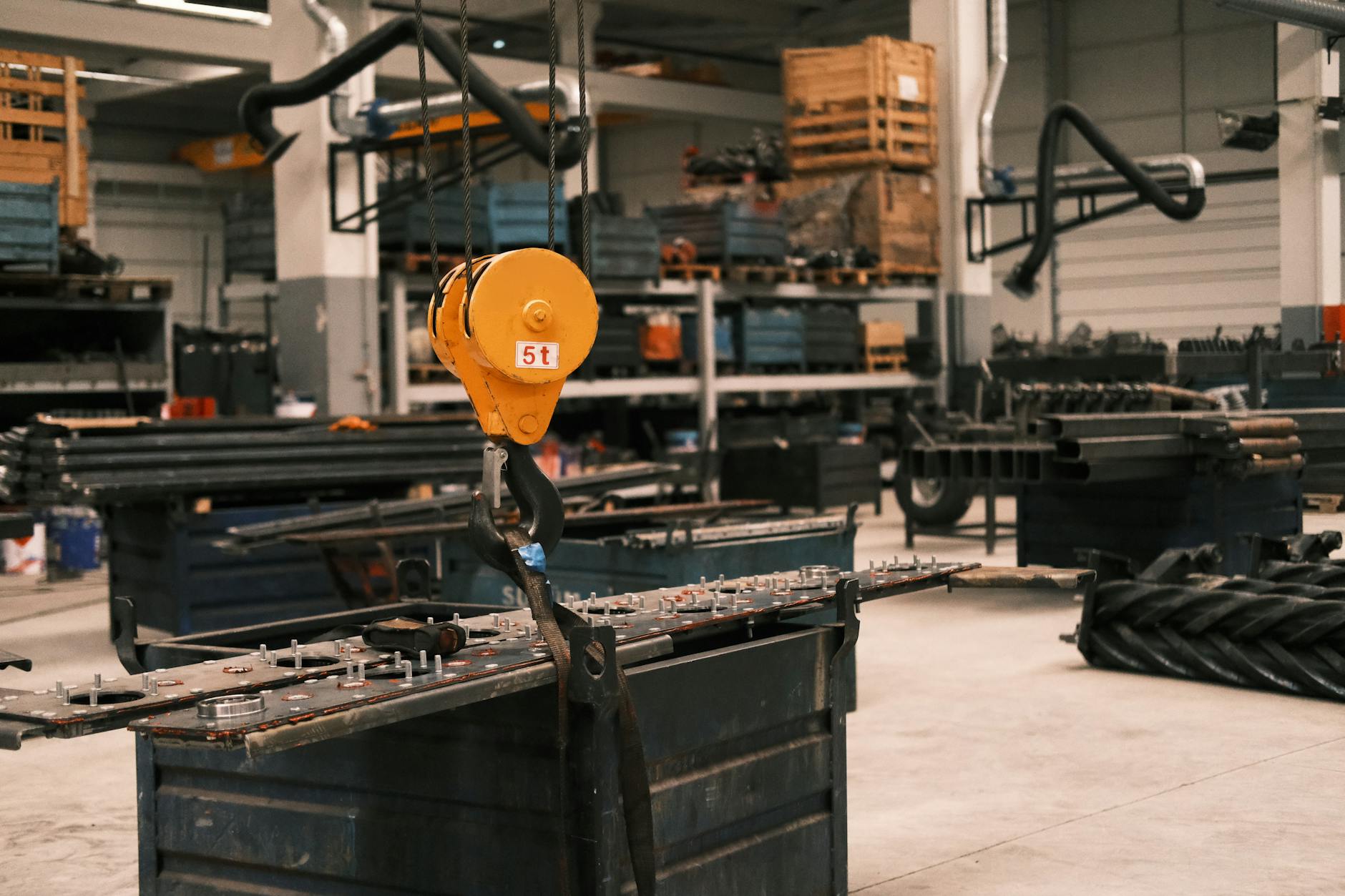
The employee ownership movement in manufacturing appears poised for continued expansion. Federal legislation introduced in recent sessions would provide additional tax incentives for ESOP formations and expand technical assistance programs. State governments increasingly recognize employee ownership as economic development strategy, preserving local manufacturing jobs and community investment.
Demographic trends support continued growth. As more Baby Boomer manufacturers reach retirement age, employee ownership offers viable succession solutions that maintain operational continuity. Younger workers, particularly Millennials and Generation Z, express greater interest in workplace democracy and shared prosperity models that employee ownership provides.
The manufacturing sector’s unique characteristics-skilled workforce requirements, community ties, and long-term asset investments-align naturally with employee ownership benefits. Unlike service industries where human capital dominates, manufacturing companies possess physical assets and established customer relationships that provide stable foundations for worker ownership.
International competition may accelerate adoption as American manufacturers seek competitive advantages through workforce engagement. Employee-owned companies often demonstrate superior adaptability and resilience, qualities essential for competing against low-cost international producers.
The rise of employee ownership in manufacturing represents more than a business trend-it signals a fundamental shift toward shared prosperity and democratic participation in economic success. As more companies embrace worker ownership, the manufacturing sector may pioneer new models of capitalism that balance efficiency with equity, creating stronger communities while building competitive advantages in global markets.
Frequently Asked Questions
What is an Employee Stock Ownership Plan (ESOP)?
An ESOP is a retirement plan that makes employees partial owners of the company through stock holdings, typically at no cost to workers.
Why are manufacturing companies choosing employee ownership?
Tax benefits, improved worker retention, succession planning for retiring owners, and increased productivity drive manufacturing ESOP adoption.