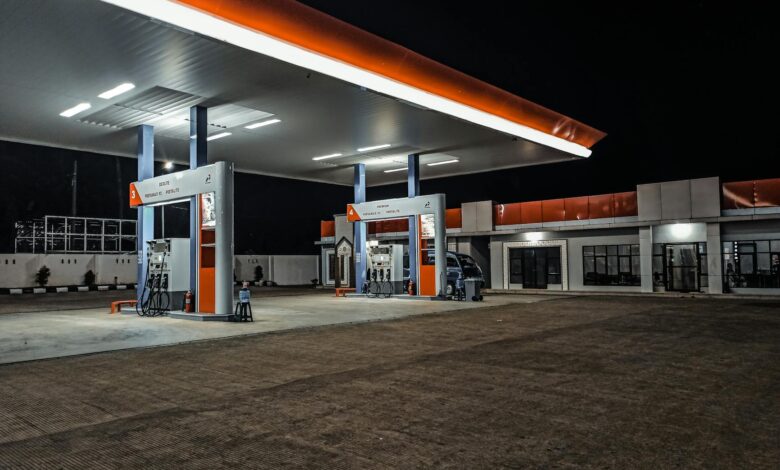
Gas stations that once dominated every street corner are facing their biggest existential threat since the oil crises of the 1970s. Electric vehicle sales jumped 65% in 2022, with Tesla leading the charge alongside traditional automakers racing to electrify their fleets. This shift represents more than changing consumer preferences – it’s reshaping the fundamental economics of America’s 150,000 gas stations.
The numbers tell a stark story. California, the nation’s EV leader with over 1 million electric vehicles on the road, has already seen 15 gas stations close for every new EV charging station that opens. In urban areas where Tesla Superchargers and Electrify America networks expand rapidly, fuel retailers report declining gallons sold per month for the first time since the 2008 recession.
But the transformation isn’t uniform. While coastal cities embrace electric mobility, rural America continues to depend on gasoline infrastructure. This geographic divide creates winners and losers in ways that parallel broader economic trends, similar to how remote work has reshaped small-town economies by concentrating certain services while diminishing others.
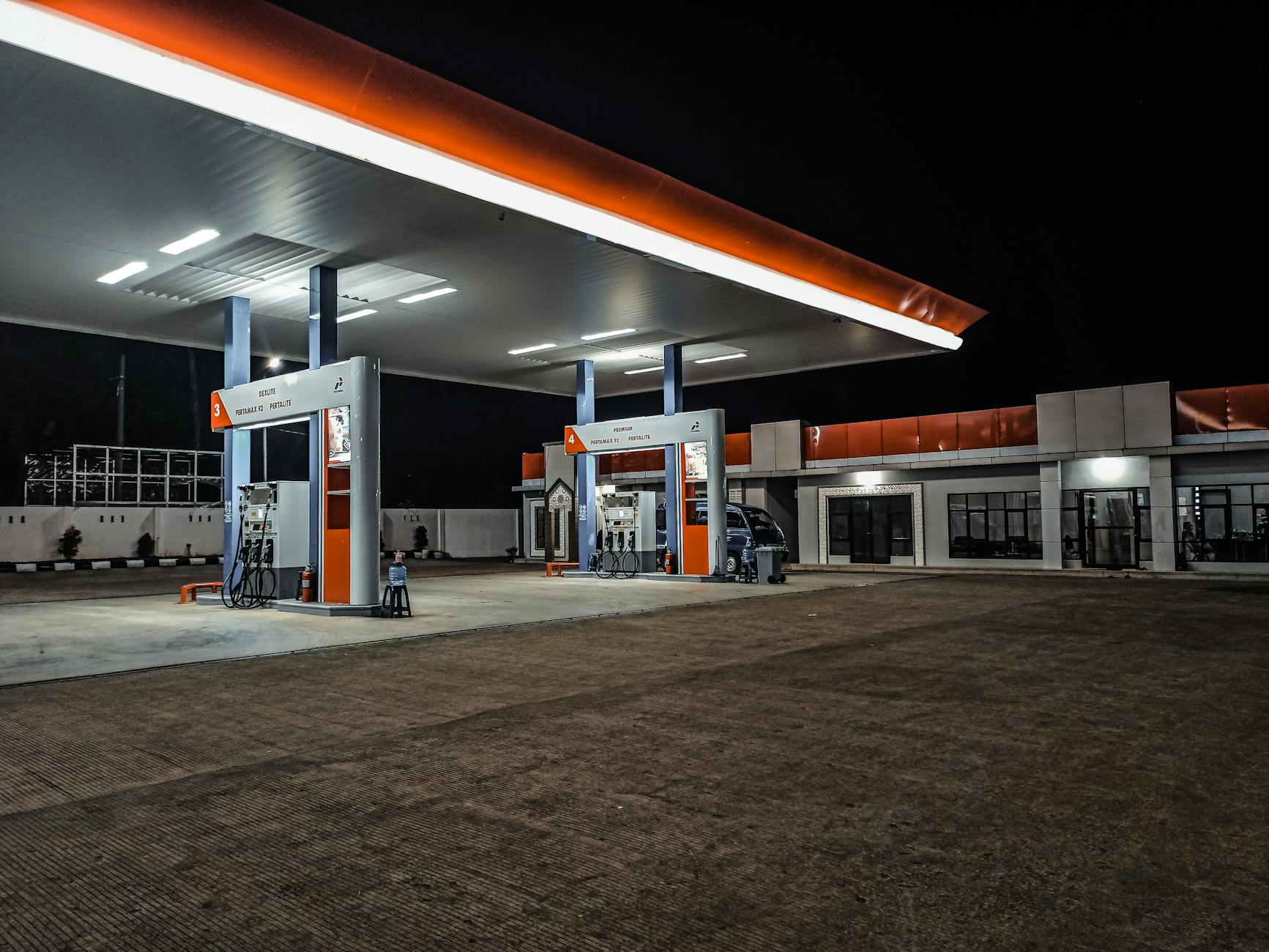
The Revenue Crisis Hitting Station Owners
Gas station profitability has always been razor-thin on fuel sales, with most operators earning just 3-5 cents per gallon after costs. The real money comes from convenience store sales – coffee, snacks, and impulse purchases that generate 70% of typical station profits. Electric vehicle adoption threatens both revenue streams simultaneously.
Shell executives reported that their busiest urban locations now see 20% fewer fuel transactions compared to 2019 levels, not accounting for pandemic effects. The company has responded by installing DC fast chargers at over 100 locations, but the economics remain challenging. A gasoline fill-up takes five minutes and generates immediate payment, while EV charging sessions last 30-45 minutes with drivers often staying in their cars rather than browsing store aisles.
Independent station owners face even steeper challenges. Converting a gas station to include fast-charging infrastructure requires electrical upgrades costing $100,000-$500,000 per site, depending on local utility capacity. Many small operators lack the capital for such investments, creating opportunities for major chains and oil companies to consolidate market share.
The profit margins on electricity sales also differ significantly from gasoline. While gas stations mark up fuel by pennies per gallon, charging network operators typically take 15-20% margins on electricity costs. However, they must also maintain expensive charging hardware and provide 24/7 customer support for technical issues that rarely affect traditional fuel pumps.
Geographic Winners and Losers in the Transition
The electric vehicle revolution creates a tale of two Americas. Urban centers and affluent suburbs embrace EVs rapidly, while rural and low-income areas lag behind due to charging infrastructure gaps and higher vehicle costs. This disparity means gas stations in different locations face vastly different timelines for adaptation.
Highway corridor stations between major cities have emerged as unexpected winners. These locations attract EV drivers making long trips who need fast charging and are more likely to make convenience purchases during 20-30 minute charging stops. Travel centers like Pilot Flying J and Buc-ee’s are aggressively installing high-power chargers to capture this growing market segment.
Rural gas stations face a more complex future. While EV adoption remains low in farming and ranching communities, these locations often serve as essential community hubs. Many rural stations function as informal gathering places, package pickup points, and the only retail option for miles. Their survival depends more on maintaining community relevance than adapting to electric vehicles.
Interstate exit gas stations face particular pressure. These locations historically thrived on predictable traffic patterns and captive customers with limited alternatives. As EV charging networks expand directly along highways through partnerships with major retail chains, traditional gas stations lose their monopolistic advantages at key travel nodes.
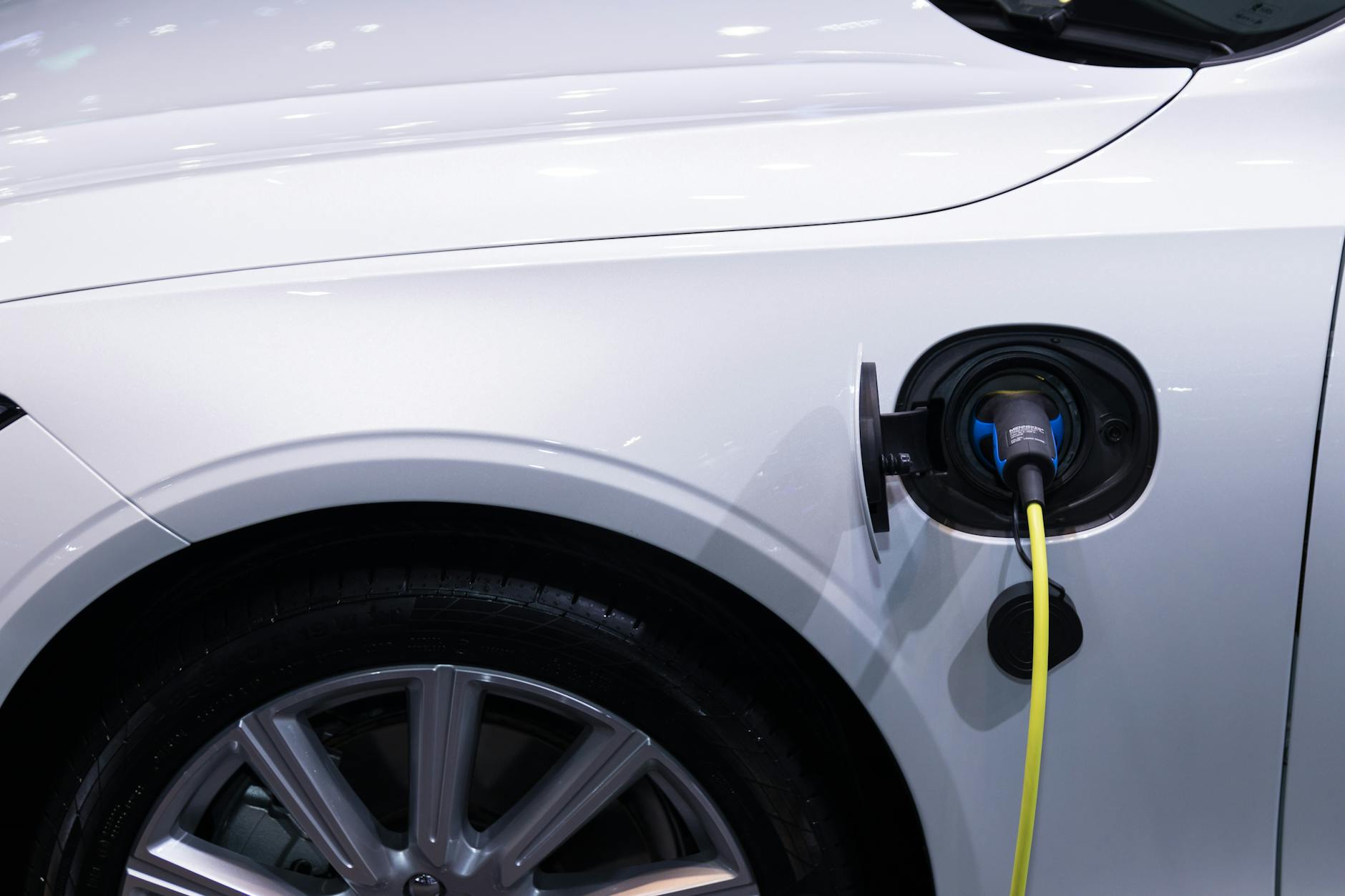
The Convenience Store Evolution
Forward-thinking gas station operators are reimagining their value proposition beyond fuel sales. The most successful adaptations focus on becoming lifestyle destinations rather than just refueling stops. This transformation mirrors broader retail trends where experiences matter more than transactions.
Wawa has led this evolution by expanding food service, improving store layouts, and treating fuel as just one component of customer visits. Their newer locations feature expanded seating areas, premium coffee programs, and fresh food preparation visible to customers. This strategy positions them to maintain relevance whether customers arrive with gas tanks or battery packs.
Casey’s General Store has similarly evolved beyond fuel by emphasizing their pizza and prepared food programs. Their breakfast pizza has achieved cult status in the Midwest, creating customer loyalty that transcends fuel preferences. This food-focused approach generates higher margins than traditional convenience items while encouraging longer store visits.
The most innovative operators are experimenting with services that capitalize on longer EV charging times. Some locations offer work spaces with WiFi and charging ports, dry cleaning pickup, or partnerships with food delivery services. These amenities transform charging stops from necessary inconveniences into productive breaks.
Amazon’s entry into the convenience store market through their Amazon Fresh and Amazon Go concepts threatens traditional operators from another direction. Their cashier-free technology and integrated delivery services appeal to time-conscious consumers who might otherwise stop at gas stations for quick purchases.
Investment Strategies and Market Consolidation
Major oil companies are pursuing divergent strategies to navigate the electric transition. ExxonMobil and Chevron remain focused on traditional fuel retail while investing in carbon capture and hydrogen technologies. Meanwhile, BP and Shell are aggressively expanding EV charging networks and rebranding stations as energy hubs rather than gas stations.
Shell’s strategy includes partnering with grocery chains and shopping centers to install charging stations in high-traffic retail locations. This approach recognizes that EV charging integrates better with existing shopping behavior than traditional gas station quick stops. Their Recharge network aims for 500,000 charging points globally by 2025, representing a fundamental business model shift.
Private equity and real estate investment trusts are also entering the market through acquisitions of well-positioned gas station properties. These investors often care more about land value and development potential than ongoing fuel retail operations. Prime corner locations in growing suburban areas command premium prices regardless of current business models.
The consolidation trend accelerates as smaller operators struggle with conversion costs and declining fuel sales. Regional chains like Sheetz and QuikTrip have advantages in capital access and operational scale that independent operators lack. This concentration mirrors broader retail trends where scale advantages become increasingly important for survival.
Venture capital funding for EV charging companies reached record levels in 2023, with startups like ChargePoint and EVgo expanding rapidly. These pure-play charging companies compete directly with traditional gas stations by offering faster charging speeds and app-based payment systems that appeal to tech-savvy EV drivers.

The future of gas station economics depends largely on the pace of EV adoption and infrastructure development. Current projections suggest 30-50% EV market share by 2030, but this timeline could accelerate with improved battery technology and expanded charging networks.
Successful gas station operators will likely emerge as multi-energy retailers, offering gasoline, electric charging, and potentially hydrogen fueling for commercial vehicles. The locations that survive will be those that adapt quickly to changing customer needs while maintaining the convenience and community connections that have always defined the industry.
The transformation already underway suggests that the corner gas station, like the neighborhood video store before it, faces fundamental disruption. However, the most adaptable operators may find that serving America’s transportation needs – regardless of energy source – remains a profitable business for those willing to evolve with the times.
Frequently Asked Questions
How are gas stations adapting to electric vehicle growth?
Many are installing EV charging stations and focusing more on convenience store sales and food services to maintain profitability.
Will gas stations disappear as electric vehicles become more popular?
Not entirely, but many will need to evolve into multi-energy hubs offering both fuel and electric charging to survive the transition.