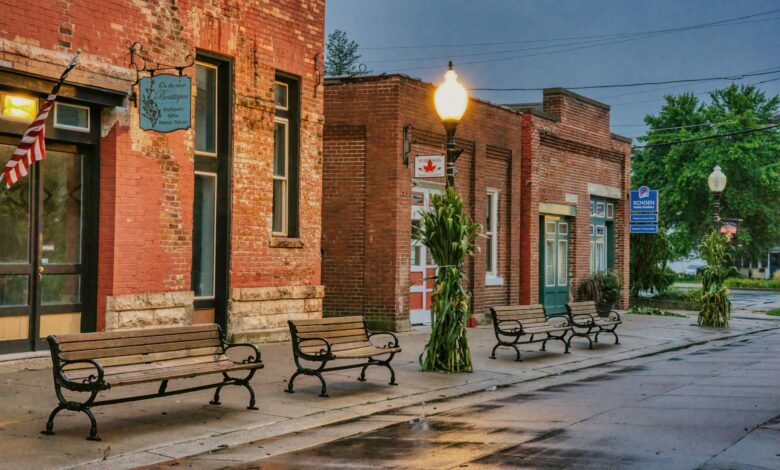
The coffee shops in Bozeman, Montana were never meant to become Silicon Valley outposts. Yet walk into any downtown cafe today and you’ll find software developers debugging code next to ranchers checking cattle prices, venture capitalists on Zoom calls beside local artisans selling handmade jewelry online. This scene, repeated across hundreds of small American towns, represents one of the most significant economic shifts of the past five years.
Remote work hasn’t just changed where people work – it’s rewiring the economic DNA of communities that corporate America forgot decades ago. While major cities grapple with empty office towers and declining tax revenues, small towns are experiencing an unexpected renaissance fueled by high-earning professionals who can now work anywhere with decent WiFi.
The numbers tell a striking story. According to the U.S. Census Bureau’s latest data, 131 rural counties that had been losing population for decades recorded net migration gains in 2022 and 2023. These aren’t retirement havens in Florida or ski towns in Colorado – they’re former manufacturing communities in Ohio, agricultural centers in Kansas, and forgotten railroad stops across the Mountain West.
The New Geography of High-Paying Jobs
Sarah Chen exemplifies this transformation. The former Amazon product manager left Seattle in 2021 for Missoula, Montana, where she bought a four-bedroom house for less than her Capitol Hill condo’s down payment. She still earns her Seattle salary – $165,000 annually – but now her purchasing power has tripled. More importantly, her spending is reshaping Missoula’s economy in ways city planners never anticipated.
Chen’s story multiplies across thousands of similar moves. Tech workers, marketing consultants, financial analysts, and creative professionals are discovering they can maintain urban salaries while enjoying small-town costs of living. This arbitrage opportunity has created a new class of residents with disposable income levels that local economies haven’t seen since the industrial boom years of the 1950s.
The ripple effects extend far beyond housing markets. Local restaurants report 30-40% increases in dinner reservations as remote workers treat networking lunches as date nights. Yoga studios, climbing gyms, and boutique fitness centers are opening in towns that previously supported only a single rec center. High-end grocery stores are expanding organic selections to meet demand from professionals accustomed to Whole Foods and farmers markets.
Perhaps most significantly, these new residents are launching businesses at unprecedented rates. The Small Business Administration reports that rural business formations increased 23% between 2021 and 2023, with the highest concentrations in counties experiencing net in-migration from urban areas. These aren’t just consulting firms and marketing agencies – remote workers are opening breweries, art galleries, co-working spaces, and specialized retail shops that cater to both newcomers and longtime residents.
Infrastructure Challenges and Opportunities
This economic injection comes with growing pains that small communities are scrambling to address. Internet infrastructure, long neglected in rural areas, has become the new electricity – essential for economic survival. Towns that invested in fiber networks before the remote work boom are reaping disproportionate benefits, while those still relying on DSL connections watch potential residents drive through without stopping.
The federal government has taken notice. The Infrastructure Investment and Jobs Act allocated $65 billion for broadband expansion, with rural communities receiving priority. However, implementation remains uneven. Towns that proactively courted internet service providers or invested municipal funds in connectivity are seeing dramatic results, while others wait for federal programs to reach their borders.
Housing presents another complex challenge. Remote workers’ purchasing power often prices out longtime residents, creating tension between economic growth and community character. Bozeman’s median home price jumped from $389,000 in 2019 to $647,000 in 2023, forcing many service workers to commute from increasingly distant suburbs. Similar patterns are emerging in Burlington, Vermont; Asheville, North Carolina; and dozens of other remote work destinations.

Some communities are responding creatively. Tulsa, Oklahoma’s Remote Work Initiative offers $10,000 incentives plus free co-working memberships to qualified remote workers who relocate. The program has attracted over 2,000 participants since 2018, generating an estimated $62 million in economic impact. Other cities are experimenting with zoning reforms, tax incentives for affordable housing development, and public-private partnerships to maintain economic diversity.
Transforming Local Business Ecosystems
The most profound changes may be happening at street level, where remote workers are creating demand for services that didn’t exist in small towns five years ago. Professional photography studios, specialty coffee roasters, and artisan bakeries are opening in former factory districts. Co-working spaces have emerged as community hubs, hosting networking events, skill-sharing workshops, and informal business meetups that blur the lines between work and social life.
This evolution is reshaping commercial real estate markets nationwide, as landlords convert empty retail spaces into flexible work environments. Downtown revitalization efforts that struggled for decades are suddenly finding eager tenants and foot traffic. The transformation of commercial real estate markets extends beyond small towns, but rural communities are experiencing particularly dramatic changes as former ghost towns become vibrant mixed-use districts.
Local banks are also adapting to serve this new economy. Community lenders report significant increases in small business loans, home purchases by out-of-state buyers, and commercial lending for mixed-use developments. Credit unions are expanding digital services to compete with online banks that remote workers used in their previous cities.
The service economy is diversifying rapidly. Personal trainers, massage therapists, house cleaners, and dog walkers – services that were luxuries in struggling small towns – are now thriving businesses. Farmers markets have evolved into sophisticated operations featuring locally-made kombucha, artisan chocolates, and prepared foods that compete with urban offerings.
Long-term Economic Implications
This geographic redistribution of economic activity represents more than a temporary pandemic response – it’s a fundamental restructuring of how Americans think about work and place. Companies initially hesitant about remote work are now embracing it as a talent acquisition tool, recognizing that geographic flexibility allows them to hire skilled professionals regardless of their location preferences.
The implications extend beyond individual career choices to broader economic competitiveness. Small towns with the right infrastructure and amenities are effectively competing with major metropolitan areas for the same high-skilled workers. This competition is forcing both urban and rural areas to improve their value propositions, creating a dynamic that could benefit residents everywhere.
Tax implications are already becoming apparent. States like Florida, Texas, and Tennessee – which don’t levy personal income taxes – are attracting remote workers from high-tax states like California, New York, and Connecticut. This shift is creating fiscal challenges for traditional tech hubs while providing unexpected revenue boosts for states that never competed in the knowledge economy.

However, this transformation isn’t without risks. Economic diversity remains fragile in communities dependent on remote work migration. If companies mandate return-to-office policies or economic downturns reduce demand for remote-friendly jobs, these newly prosperous small towns could face rapid reversals of fortune. Building sustainable local economies requires more than attracting individual remote workers – it demands creating ecosystems that generate value locally.
The most successful communities are those fostering entrepreneurship among their new residents while maintaining connections to traditional economic bases. Montana’s tech scene, for example, is increasingly focused on agricultural technology, leveraging both newcomer expertise and established farming knowledge. Similar synergies are emerging in renewable energy, outdoor recreation, and sustainable manufacturing.
Looking ahead, the remote work revolution appears poised to continue reshaping American economic geography. As companies perfect distributed work models and infrastructure investments improve rural connectivity, the advantages of small-town living become increasingly accessible to high-earning professionals. This trend could prove to be one of the most significant redistributions of economic opportunity in modern American history, with implications that will resonate for generations.
The challenge for policymakers and community leaders is ensuring this growth remains sustainable and inclusive, creating prosperity that benefits longtime residents alongside newcomers while preserving the character and affordability that make small towns attractive alternatives to urban centers.
Frequently Asked Questions
How much economic impact are remote workers having on small towns?
Rural counties are seeing 20-40% increases in business formations and significant population growth after decades of decline.
What challenges do small towns face from remote work migration?
Housing affordability, internet infrastructure gaps, and maintaining community character while accommodating economic growth.