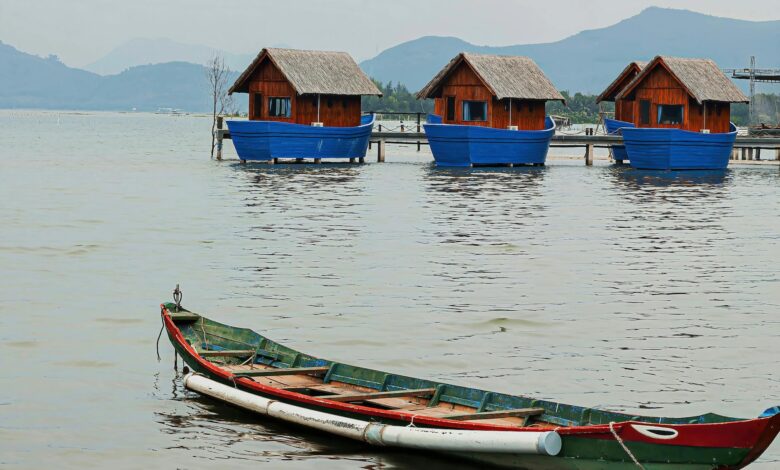
The Netherlands faces an unprecedented challenge as sea levels rise faster than projected, pushing the nation’s innovative engineers to fast-track ambitious floating city projects that could redefine coastal living worldwide. With two-thirds of the country already below sea level, Dutch authorities have committed to accelerating development timelines for floating urban districts by nearly five years.
The urgency stems from new climate data showing the North Sea rising at 4.2 millimeters annually, significantly higher than the global average. Traditional dikes and flood barriers, while still crucial, cannot indefinitely hold back advancing waters. This reality has transformed floating architecture from experimental concept to essential infrastructure.
From Concept to Crisis Response
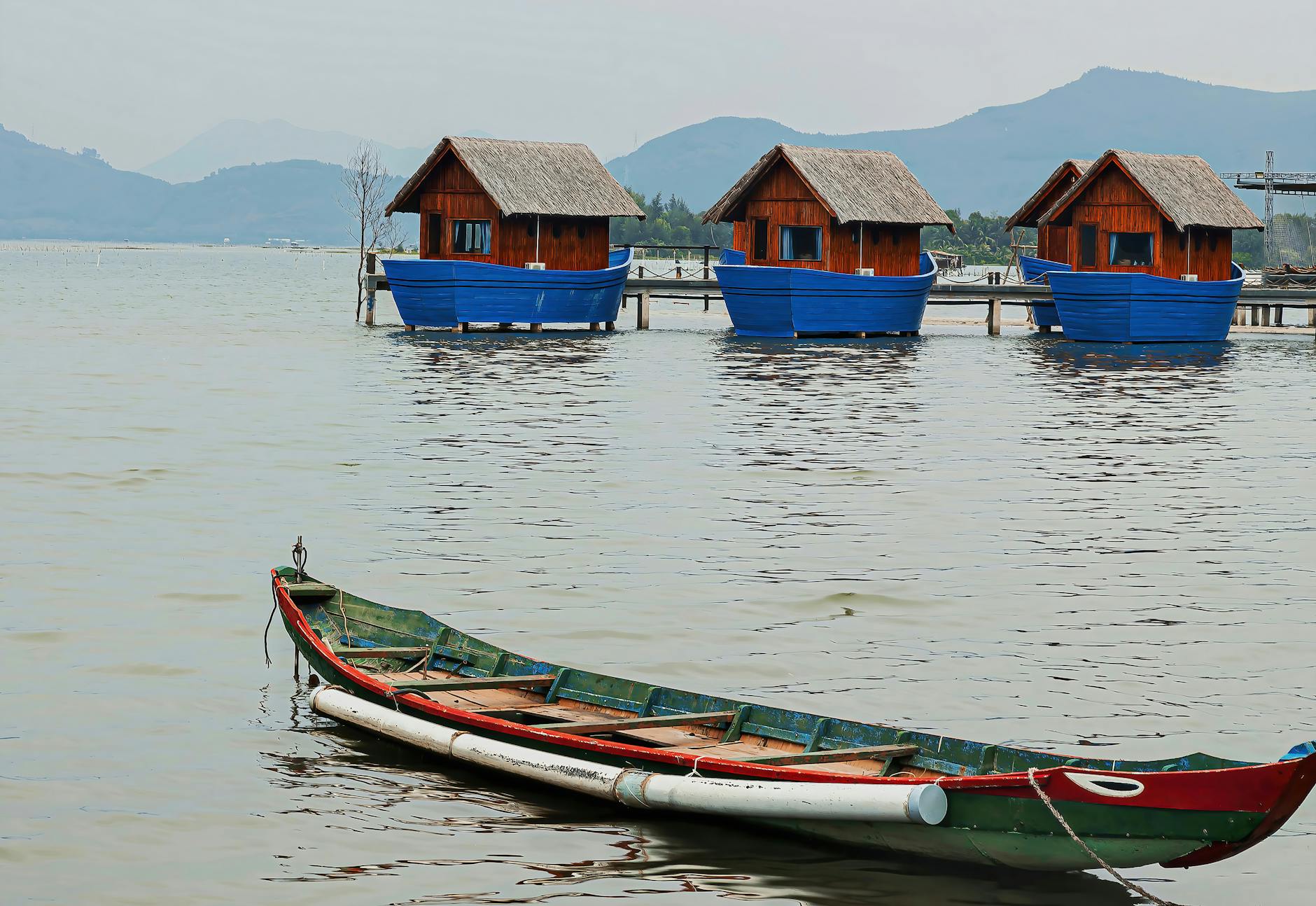
Floating city development in the Netherlands began as an architectural curiosity in the early 2000s. The floating neighborhood of Waterplein in Amsterdam started with just 75 homes, demonstrating that people could live comfortably on water-based foundations. Now, with climate pressures mounting, the government has designated floating districts as critical national infrastructure.
The acceleration affects multiple projects simultaneously. Floating Pavilion Rotterdam, originally planned for completion in 2028, now targets 2025. The massive Floating Farm concept, which houses 40 dairy cows on a floating platform, serves as a prototype for agricultural sustainability in water-based communities.
Dutch engineering firm Deltares reports that floating foundations can rise and fall with water levels while remaining stable for residents. Unlike houseboats, these structures connect to municipal utilities including sewage, electricity, and high-speed internet. The technology addresses both immediate housing needs and long-term climate adaptation.
Engineering the Impossible
Modern floating cities require sophisticated engineering solutions that go far beyond simple buoyancy. Each floating district sits on a network of concrete pontoons designed to last 100 years. These foundations connect through flexible joints that absorb wave action while maintaining structural integrity.
The technical challenge involves creating stable platforms for multi-story buildings, schools, and commercial spaces. Engineers use dynamic positioning systems similar to those on offshore oil platforms, but adapted for residential use. Each floating block connects to neighbors through walkways and bridges that flex with water movement.
Water management becomes even more complex in floating communities. Traditional sewage systems rely on gravity, but floating cities require pump-based systems that function regardless of platform position. Fresh water arrives through floating pipelines that maintain pressure across moving platforms.
Energy independence drives much of the innovation. Solar panels cover rooftops and floating energy gardens, while underwater turbines harvest tidal power. Some districts feature floating wind turbines designed specifically for shallow coastal waters. These energy systems must operate reliably while the entire platform moves with tides and weather.
Social and Economic Implications
The shift toward floating cities creates new economic opportunities while addressing housing shortages in coastal areas. Property developers report strong interest from buyers seeking waterfront living without traditional flood risks. Floating homes maintain property values even as traditional coastal real estate faces climate-related devaluations.
Social adaptation proves equally significant. Residents of existing floating communities report initial adjustment periods as they adapt to subtle platform movement. Children born in floating neighborhoods show no motion sensitivity, suggesting successful long-term habitability. Community spaces like floating parks and schools foster social connections despite the unique environment.
The economic model relies on reduced land costs offset by higher construction expenses. While building on water costs 15-20% more than traditional construction, floating districts eliminate expensive land acquisition in dense urban areas. The technology also allows development in previously unusable water areas, expanding available space for growing cities.
Employment opportunities emerge across multiple sectors. Marine construction specialists, floating infrastructure maintenance crews, and water-based transportation services create new job categories. The Netherlands positions itself as a global leader in floating city expertise, potentially exporting technology and consulting services worldwide.
Similar challenges face coastal nations globally, from Japan dealing with tsunami risks to Pacific island nations confronting total submersion. Dutch floating city technology offers scalable solutions for diverse coastal environments.
Global Applications and Future Outlook
The Netherlands’ accelerated floating city program attracts international attention as coastal cities worldwide confront similar challenges. Singapore has already contracted Dutch firms to design floating districts in Marina Bay. The Maldives government studies Dutch technology for entire floating islands that could preserve the nation as sea levels rise.
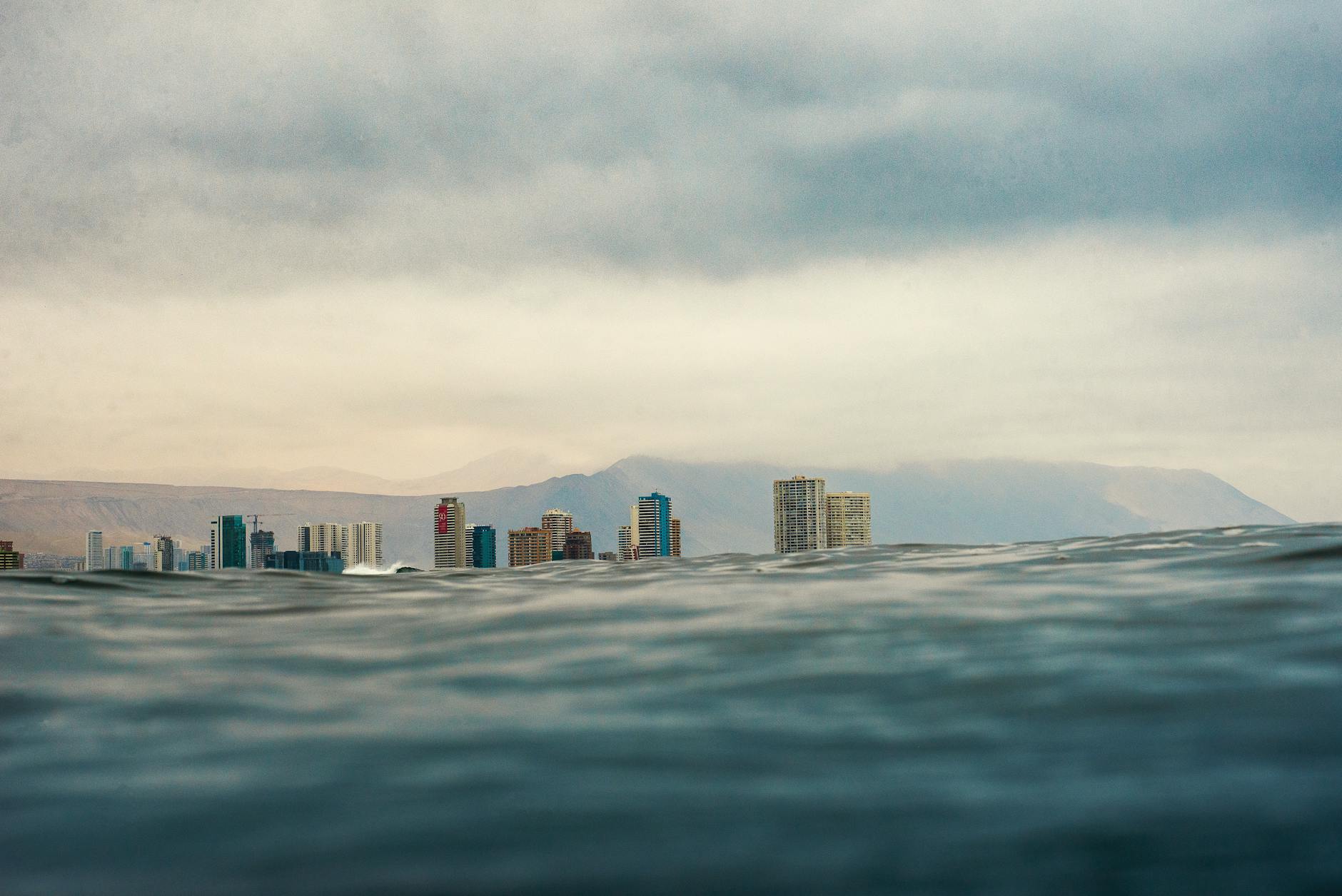
Technical refinements continue advancing the technology. Next-generation floating foundations use lighter materials that reduce construction costs while improving durability. Modular designs allow districts to expand organically as populations grow or contract during economic shifts.
The timeline acceleration reflects both technological maturity and political urgency. What once seemed like speculative architecture now represents practical necessity. Dutch Minister of Infrastructure announces plans for 50,000 floating homes by 2030, supported by streamlined permitting processes and financial incentives.
Integration with existing cities remains crucial for success. Floating districts must connect seamlessly to land-based infrastructure through bridges, tunnels, and transportation links. The challenge involves creating cohesive urban environments where water-based and traditional neighborhoods function as unified communities.
As climate change accelerates coastal flooding worldwide, the Netherlands’ floating cities may prove essential for preserving coastal civilization. The accelerated development timeline reflects recognition that adaptive infrastructure cannot wait for perfect conditions – it must emerge from urgent necessity and innovative engineering working together.
Frequently Asked Questions
How do floating cities stay stable in rough water?
They use concrete pontoons with flexible joints and dynamic positioning systems similar to offshore oil platforms, adapted for residential use.
Are floating cities more expensive than traditional housing?
Construction costs 15-20% more, but lower land costs and expanded development areas can offset expenses in dense urban markets.