Retail Pharmacy Closures Are Leaving Rural Counties Without Prescription Access

When the Last Pharmacy Closes
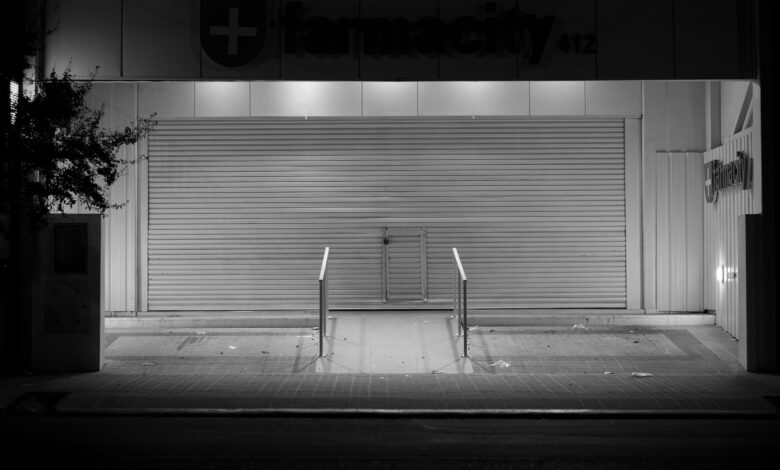
A single retail pharmacy closing in a mid-sized city is an inconvenience. The same closure in a rural county with no competitors, no urgent care clinic, and the nearest alternative an hour’s drive away is something closer to a health crisis. Across the United States, that second scenario is playing out with growing frequency, as major pharmacy chains shutter underperforming locations and independent pharmacies buckle under thin margins and staffing pressures.
The closures are not random. They follow a clear geographic logic: locations in lower-income, lower-density counties that cannot generate the prescription volume needed to keep a commercial pharmacy profitable. When those stores close, they rarely get replaced.
What remains is a pharmacy desert – a term used to describe areas where residents must travel more than ten miles to reach the nearest dispensing location. For elderly patients managing multiple chronic conditions, for families without reliable transportation, or for anyone filling a time-sensitive prescription, that distance is not just inconvenient. It is, in practical terms, a barrier to receiving medication at all.

The Business Case for Leaving
The major chains driving this wave of closures – CVS, Walgreens, and Rite Aid among them – have each cited variations of the same problem: retail pharmacy as a standalone business model no longer generates adequate returns. Reimbursement rates from pharmacy benefit managers have compressed year over year, meaning the spread between what a pharmacy pays for a drug and what it gets reimbursed has narrowed to the point where dispensing some generics costs more than it pays. A rural store filling fewer prescriptions per day cannot absorb those losses the way a high-volume urban location might.
Walgreens announced plans to close more than 1,200 stores over the next three years, a decision framed as a necessary restructuring. CVS has pursued a similar contraction strategy. Rite Aid’s bankruptcy filing accelerated its own round of closures. The stores being cut are disproportionately located in rural or semi-rural communities, where foot traffic and prescription volume are lowest. From a pure profit standpoint, the arithmetic is straightforward. From a public health standpoint, the consequences are not the chain’s problem to manage – and that gap in accountability is exactly where rural residents fall through.
Independent pharmacies, which historically filled access gaps that chains ignored, are also under pressure. Many rely on the same reimbursement structure that is squeezing the big players, without the corporate infrastructure to absorb losses or negotiate better rates. When a rural independent closes, there is typically no buyer waiting, no competitor willing to step in, and no economic incentive for a new operator to open in its place.
Who Gets Left Behind
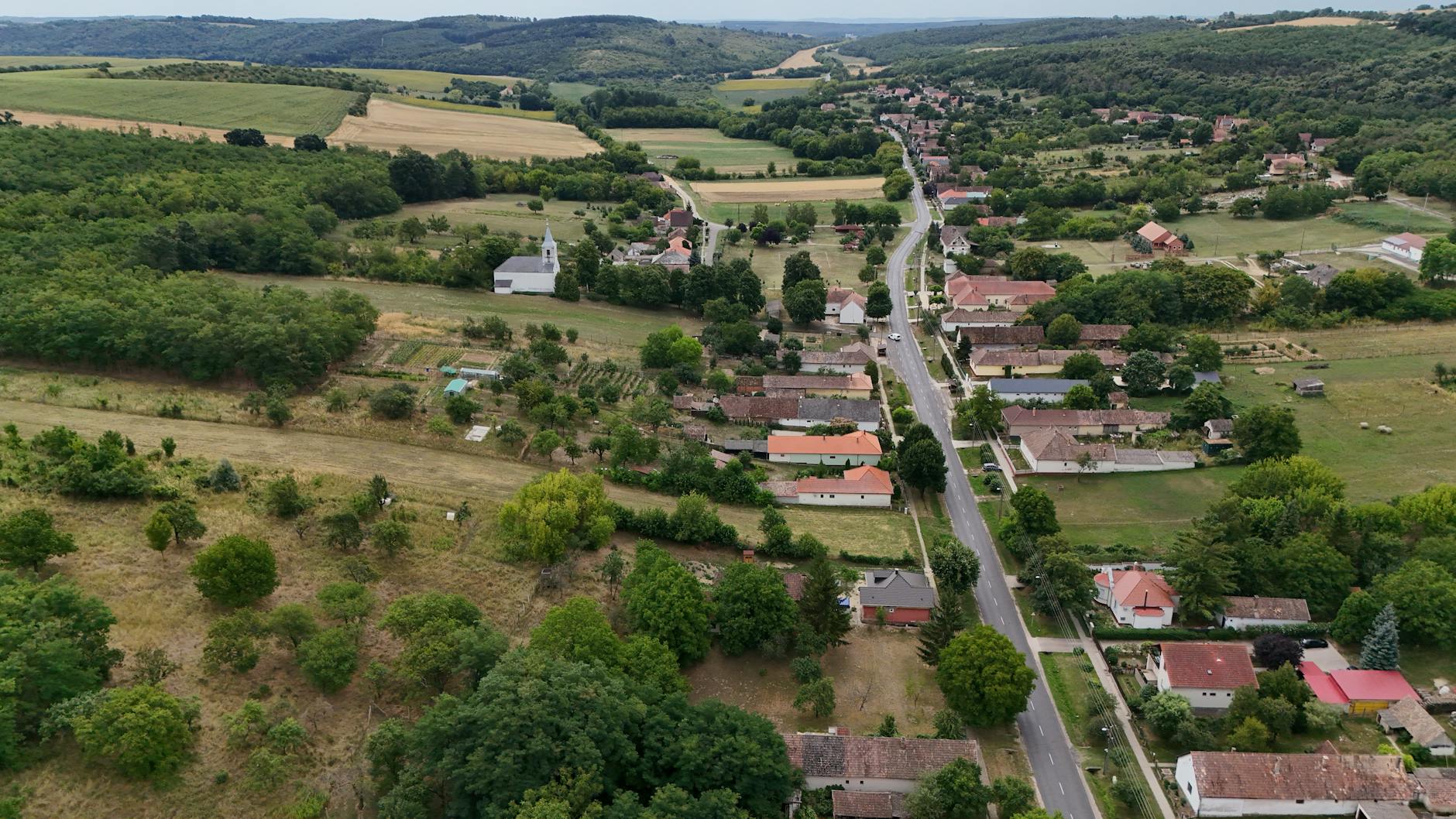
The populations most affected by pharmacy deserts are not evenly distributed. Rural counties with high rates of elderly residents, residents without vehicles, or residents with chronic illness face compounding disadvantages. Managing diabetes, hypertension, or heart disease requires consistent medication adherence – missing doses or delaying refills because of distance has direct clinical consequences. For these patients, a pharmacy closure is not a logistical problem to problem-solve around. It is a direct disruption to ongoing medical treatment.
Mail-order pharmacy services are often cited as a workaround, and for stable, long-term prescriptions they can function adequately. But they do not work for controlled substances, which require physical presence. They do not solve the problem for patients who need a prescription filled the same day. And they require a level of technological access and logistical reliability – a working address, a reliable delivery window – that not every rural household can guarantee. The workaround assumes a set of baseline conditions that pharmacy desert residents frequently do not have.
State governments and rural health advocates have attempted legislative responses: grants for independent pharmacies in underserved areas, expanded scope-of-practice rules to allow nurse practitioners or physician assistants to handle more prescription needs, and pilot programs using telepharmacy models where a remote pharmacist supervises a local technician. Some of these efforts show genuine promise. None of them have kept pace with the rate of closures, and most rely on funding that is inconsistent year to year.
What Comes Next

Telepharmacy deserves particular attention as a structural solution, not just a stopgap. Several states have updated their licensing frameworks to allow telepharmacy operations in counties that meet specific underserved criteria, enabling a single licensed pharmacist to remotely supervise dispensing at a satellite location staffed by a technician. The model works for routine refills and standard prescriptions, and it dramatically reduces the overhead cost of maintaining a physical pharmacy presence. It does not replicate everything a full-service pharmacy provides – medication therapy management, face-to-face counseling, real-time clinical judgment – but in a county that otherwise has nothing, it is a functional alternative. The limiting factor right now is not technology or licensing. It is capital. Opening even a stripped-down telepharmacy kiosk requires investment that rural counties, often operating on tight municipal budgets, cannot easily source.
The harder question is whether retail pharmacy access should be treated as a public utility in underserved areas the same way rural electrification and broadband access have been framed as infrastructure problems requiring public investment. The market has answered clearly: it will not serve these communities profitably, and so it will not serve them. That answer may be economically rational and still be socially unacceptable, particularly as the patient populations being underserved are often the oldest and most medically dependent. There are currently counties in the United States where a resident can get reliable high-speed internet before they can reliably fill a blood pressure prescription within a reasonable drive.
Frequently Asked Questions
What is a pharmacy desert?
A pharmacy desert is an area where the nearest pharmacy is more than ten miles away, making consistent prescription access difficult for residents without reliable transportation.
Why are major pharmacy chains closing rural locations?
Chains cite compressed reimbursement rates from pharmacy benefit managers and low prescription volume in rural areas, making those locations financially unsustainable to operate.