Regional Wound Care Clinics Are Quietly Exiting Hospital Outpatient Departments


The Quiet Retreat from Hospital Outpatient Wound Care
Wound care clinics built their business model inside hospital outpatient departments for a simple reason: the reimbursement was better. Hospitals could bill at facility rates, which meant the same wound debridement visit that might generate $150 at a physician office could yield $400 or more under the hospital outpatient department fee schedule. Regional wound care operators partnered with hospitals, set up shop under that billing umbrella, and built sustainable margins. That arrangement is now unwinding, and it is happening faster than most patients or policymakers have noticed.
The Centers for Medicare and Medicaid Services has spent years applying site-neutral payment policies that compress the reimbursement advantage hospital outpatient departments once held. When the rate differential narrows enough, the entire logic of operating inside a hospital outpatient setting changes.
Regional wound care groups – the independent operators that typically manage between five and thirty clinic locations under management agreements with community hospitals – are now quietly renegotiating those agreements, declining renewals, or simply closing clinic doors when contracts expire. What looks like a local staffing decision or a hospital consolidation footnote is actually a structural exit from a payment model that no longer pencils out.
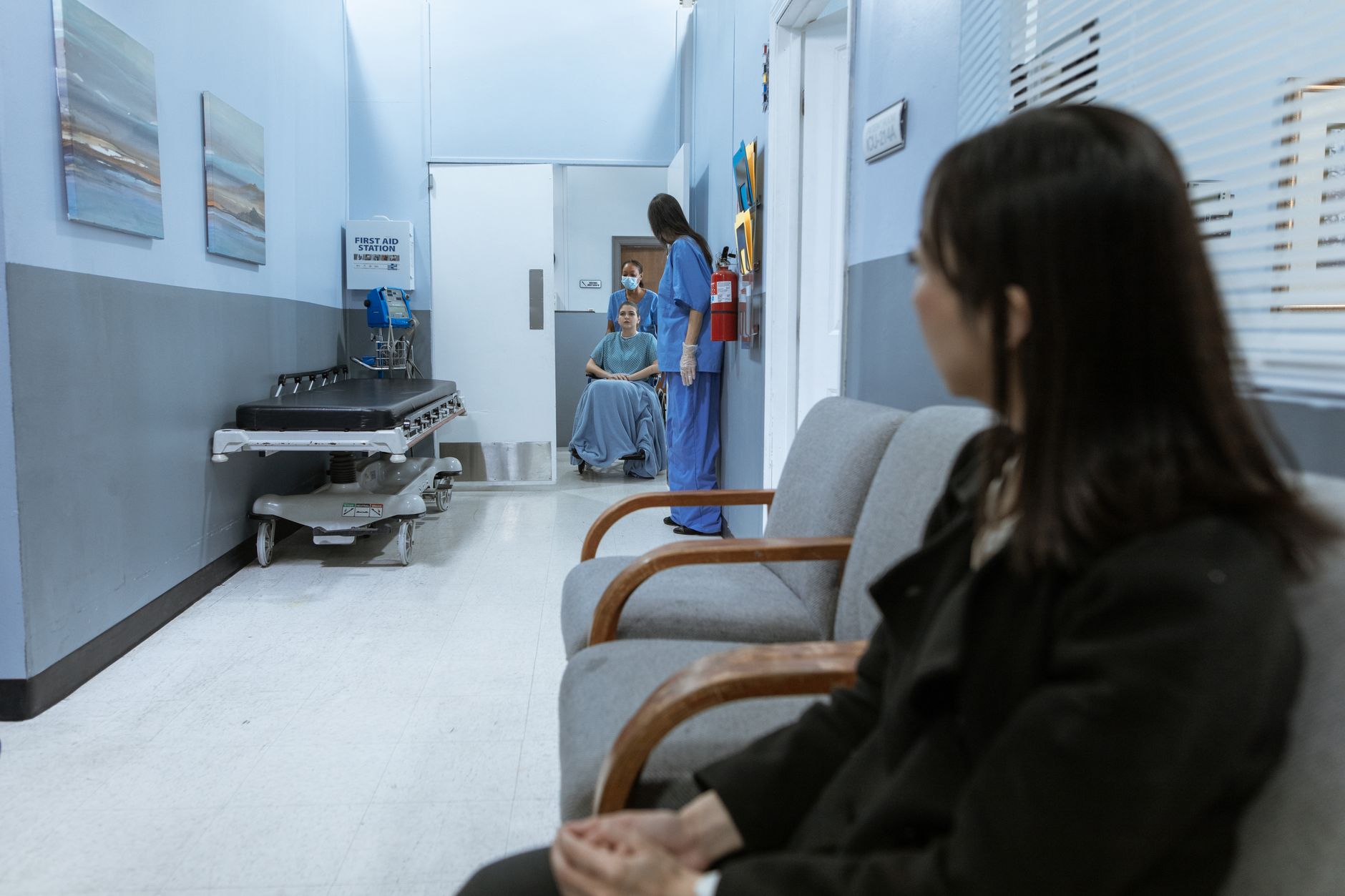
Why the Hospital Outpatient Model Stopped Making Sense
The financial case for staying inside hospital outpatient departments depended on a spread – the difference between what hospitals could bill and what it actually cost to deliver wound care services. Regional operators shared in that spread through management fees, per-visit revenue splits, or hybrid compensation structures. When CMS began equalizing payments between hospital outpatient departments and ambulatory surgical centers, and later extended site-neutral logic to certain clinic visits, that spread compressed steadily. The margin that once made a 10-clinic wound care management contract worth operating at scale started disappearing visit by visit.
The administrative burden inside hospital outpatient departments also grew alongside the reimbursement pressure. Wound care clinics operating under hospital outpatient department billing must comply with hospital-level accreditation requirements, use hospital-integrated electronic health records, and route credentialing through hospital medical staff offices. For regional operators managing dozens of locations, that overhead is manageable when the revenue justifies it. When site-neutral payments cut facility fee income, the compliance costs that were previously absorbed by higher reimbursement suddenly become visible line items.
Community hospitals are caught in the same bind. Many signed wound care management agreements a decade ago specifically to generate ancillary revenue from outpatient facility billing. When that revenue model erodes, hospitals lose the financial incentive to maintain the clinic infrastructure – the dedicated space, the supply contracts, the administrative support – and some are choosing not to renegotiate at all. The result is a mutual exit: the regional operator does not want to renew on compressed margins, and the hospital does not want to subsidize a clinic that no longer generates net positive contribution.

Where Wound Care Is Actually Going
The patients do not disappear when a hospital outpatient wound care clinic closes. Chronic wound management – diabetic foot ulcers, venous leg ulcers, pressure injuries – is driven by an aging population with rising rates of diabetes and peripheral vascular disease. The clinical need is not contracting. What is contracting is the willingness of regional operators to deliver that care inside a hospital billing structure that no longer rewards them for doing so.
Some regional groups are converting their clinic footprint to freestanding physician office settings, which carry lower reimbursement but also dramatically lower overhead. The math can still work if the operator controls the real estate, owns the physician practice directly, and cuts out the management agreement layer that the hospital outpatient model required. Others are selling their patient panels and provider contracts to larger physician practice management companies or to home-based wound care platforms that send clinicians directly to patients covered under home health benefits. This pattern runs parallel to what has happened in other specialty niches – regional oral surgery practices selling to DSO networks followed a similar logic, where independent operators found the standalone model unsustainable and chose acquisition over slow contraction.
Advanced wound care technology is also pulling investment away from traditional clinic settings. Cellular and tissue-based products, negative pressure wound therapy, and biofilm-disrupting treatments are increasingly being administered in skilled nursing facilities and home settings rather than in outpatient clinics. Payers, including Medicare Advantage plans, have grown more willing to authorize advanced wound care in lower-cost post-acute settings, which removes another reason for patients to travel to a hospital outpatient department in the first place.
What Gets Left Behind
The populations most dependent on hospital outpatient wound care clinics tend to be older, lower-income, and geographically concentrated in areas where freestanding alternatives do not exist. Rural and semi-rural communities that relied on a regional wound care operator partnering with their sole community hospital now face a gap that no physician office model or home-based platform has clearly committed to filling. A wound that goes unmanaged for two or three weeks does not simply wait. In diabetic patients especially, deterioration to infection, bone involvement, or amputation can happen within that window.
Hospital systems are beginning to feel the reputational pressure of these closures, even when the financial logic of exiting is clear. Wound care is not a glamorous service line, but a community hospital that loses its wound clinic and offers no viable alternative will hear about it – in patient grievance letters, in local press, and eventually in state health planning conversations about whether the hospital is meeting its community benefit obligations.

The regional operators who built their companies inside the hospital outpatient department model are not villains for leaving when the economics turned against them, but their exit exposes how dependent wound care access became on a billing arbitrage that regulators spent years deliberately dismantling – and nobody in that chain built a replacement before pulling the cord.