The Quiet Withdrawal Nobody Is Talking About
Title insurance is not a glamorous corner of the financial world, but it is a load-bearing wall in commercial construction. When a developer breaks ground on a mixed-use tower or a warehouse complex, title insurers stand behind the chain of ownership – protecting lenders and buyers from claims that could surface years after the project closes. Regional carriers, historically, have been the workhorses of that system for mid-market projects that national giants considered too small or too localized to bother with.
That arrangement is quietly unraveling.
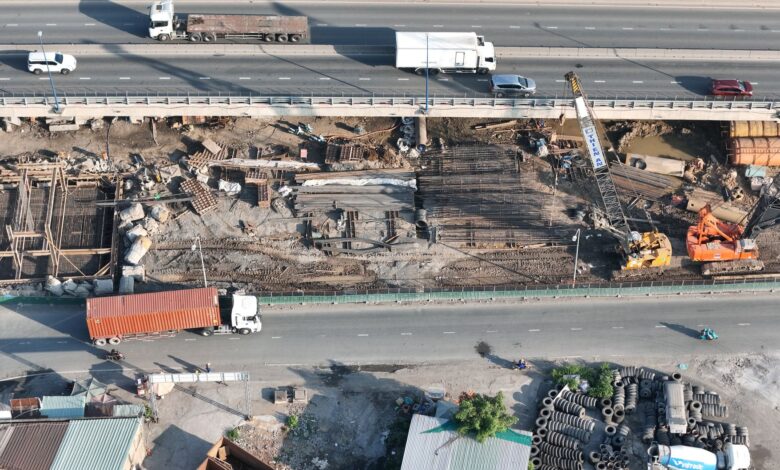
Across the country, regional title insurers are pulling back from commercial construction underwriting – not through dramatic announcements or regulatory filings, but through tightened underwriting standards, steeper premiums, and in some cases, outright refusal to write new policies on active construction deals. The exits are happening market by market, project type by project type, and the developers and lenders caught in the middle are only beginning to understand the scope of what is changing.
Why Regional Carriers Are Walking Away
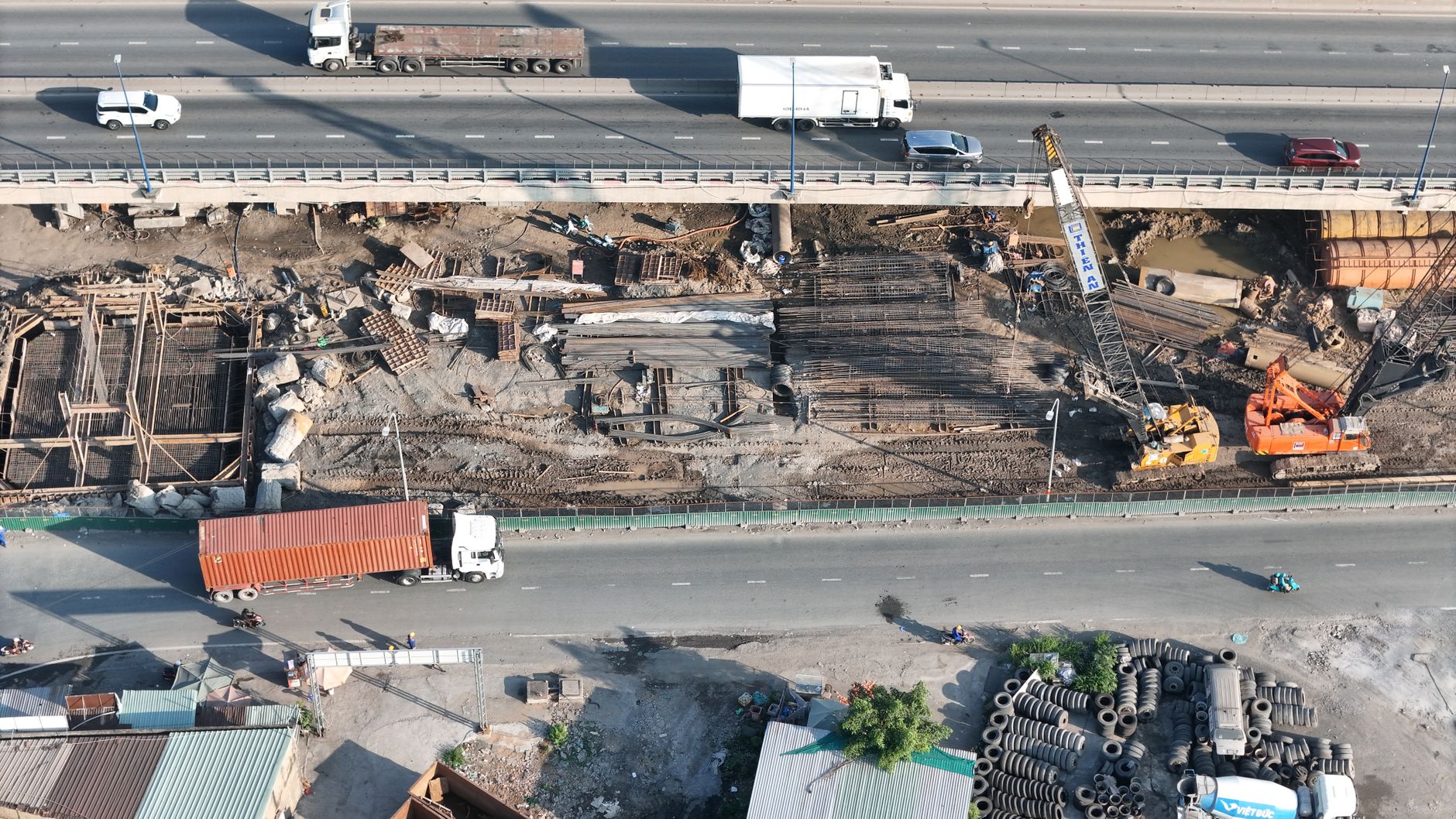
The risk calculus on commercial construction has shifted in ways that make regional underwriters particularly exposed. Large national carriers can spread losses across enormous policy portfolios that span multiple states and asset classes. A regional insurer writing policies in a four-county radius does not have that cushion. When construction defect litigation spikes, when mechanic’s lien filings climb because subcontractors are not getting paid, or when municipal permit records turn out to be incomplete or inaccurate, a regional book of business can absorb serious damage quickly.
Mechanic’s liens are the central pressure point here. In commercial construction, a subcontractor or materials supplier who has not been paid can file a lien against the property – and that lien can attach even after a sale or refinancing has closed if proper lien waivers were not collected at every stage of construction. The title insurer is on the hook to defend or satisfy those claims. Over the past several years, payment disputes on commercial projects have increased as supply chain disruptions, contractor insolvencies, and cost overruns have left more subcontractors unpaid. Regional carriers with thin reserves and limited litigation infrastructure are finding that one or two large contested liens on a commercial project can consume the entire premium income from a year’s worth of residential policies. The math simply does not work.
There is also the problem of title plant quality. Regional insurers often rely on county-maintained records and proprietary title plants – databases of ownership history and encumbrances – that have not kept pace with the complexity of modern commercial deals. A warehouse-to-distribution-center conversion may involve environmental covenants, easements, and municipal use agreements layered over decades of ownership changes. Searching that chain accurately requires resources and legal expertise that smaller carriers may not have in-house. When a claim surfaces because something was missed in the title search, the insurer pays. Carriers that cannot invest in the research infrastructure to underwrite these deals safely are making a rational decision to stop writing them.

What This Means for Developers and Lenders
The immediate practical consequence is concentration. As regional carriers exit, commercial construction deals are being routed to a smaller number of national underwriters. That concentration gives the remaining players significant pricing power. Premiums on commercial construction policies are rising, not because the underlying properties have become more risky in every case, but because fewer carriers are competing for the business. For developers working on tight margins – particularly in affordable housing or industrial development where returns are already thin – that premium increase can tip a deal from viable to unworkable.
Lenders are feeling the pressure too. Construction lenders typically require title insurance as a condition of the loan, and many have preferred relationships with regional carriers who understood the local market, the local courts, and the quirks of specific municipal recording systems. National carriers bring standardized processes that do not always map cleanly onto local conditions. A lender in a mid-sized metro area that has worked with the same regional title underwriter for fifteen years may now find itself navigating a national carrier’s underwriting committee that has no institutional knowledge of local lien law nuances or county recorder backlogs.
Smaller developers are being squeezed hardest. A national carrier managing a $500 million mixed-use development in a major metro will prioritize that deal over a $12 million retail strip in a secondary market. Regional carriers existed precisely because they served those secondary markets – not as a charity, but because they understood the local risk profile well enough to price it accurately. With that expertise walking out the door, secondary-market commercial construction deals are either waiting longer for coverage or simply not getting done.
A Structural Problem With No Fast Fix
This is not a cycle. Regional title carriers do not typically rebuild commercial construction books quickly after pulling back, because the human capital required – experienced commercial underwriters with local market knowledge – takes years to develop and is expensive to retain. Once a regional carrier decides that commercial construction is too capital-intensive and too legally complex for its operating model, the more likely outcome is a permanent repositioning toward residential and refinance work, not a return to commercial underwriting when conditions improve.

The long-term structural consequence is a commercial title market that mirrors what has happened in commercial property insurance in coastal and wildfire-prone markets: fewer carriers, higher prices, and coverage terms that leave more risk sitting with the developer or lender rather than with the insurer. The difference is that commercial property insurance departures were driven by a specific, visible peril – catastrophic weather events. The commercial title exit is being driven by quieter, more diffuse forces: litigation costs, record quality, reserve inadequacy, and the straightforward judgment by regional management teams that their capital earns a better return somewhere else. When a mid-market developer in the Midwest sits down to close a $20 million distribution facility and finds that the only carrier willing to write the policy is demanding twice the premium quoted eighteen months ago, the abstraction of “market withdrawal” becomes very concrete, very fast.