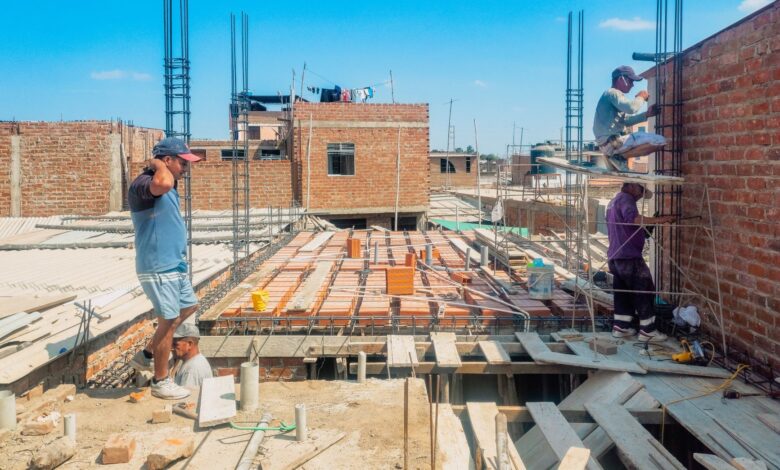
The Quiet Consolidation Happening on Your Roof
Private equity has spent years rolling up dental offices, veterinary clinics, and HVAC companies. Now the same playbook is moving into residential and commercial roofing, a sector that most investors would not have looked at twice a decade ago. Regional roofing contractors – the kind that have operated under a family name for 20 or 30 years – are fielding acquisition offers at a pace that would have seemed impossible just a few years back.
The pitch to owners is straightforward: take a life-changing check, stay on as a general manager for two to three years, and let a well-capitalized platform handle everything from fleet management to insurance billing. For contractors who built their business from a pickup truck and a ladder, it is a hard offer to turn down.
Most of these deals never make the news.
Why Roofing Is Suddenly Attractive to Private Capital
Roofing is recession-resistant in a way that many service businesses are not. Storms do not pause for economic downturns, and a failing roof cannot be deferred the way a kitchen renovation can. That reliability makes roofing cash flows look stable to investors who price businesses on predictability. Add in the fragmented ownership landscape – thousands of independent operators, most generating between two and fifteen million dollars in annual revenue – and you have the exact conditions PE firms scan for when building a rollup.
The margin structure also appeals to buyers. Material costs are real but manageable, labor is largely subcontracted, and strong regional contractors have built customer relationships and insurance adjuster connections that take years to replicate. When a PE-backed platform acquires four or five operators in a single metro area, it gains pricing leverage with distributors, shared equipment pools, and a brand large enough to run serious digital advertising. The individual shops could not afford any of that alone. The combined entity can.
Storm restoration work has been a particular accelerant. As severe weather events have increased across the Midwest and Southeast, insurance-driven roofing jobs have ballooned. A contractor who knows how to navigate claims, document damage, and move quickly after a hail event generates revenue that is almost entirely driven by forces outside normal economic cycles. PE buyers have noticed that this creates a kind of natural demand floor that pure renovation contractors do not enjoy.
What Owners Are Actually Getting – and Giving Up
The valuation multiples being offered to roofing contractors have climbed noticeably. A well-run regional operator with clean books, strong reputation, and consistent revenue is now frequently seeing offers in the range of four to six times EBITDA, sometimes higher for the right market position. That is not Silicon Valley money, but for a contractor who started the business with personal savings and has never thought about exit planning, it represents genuine financial freedom.

The complications surface after the deal closes. PE rollups operate on a defined timeline, typically five to seven years before a fund needs to exit. That means the culture of a 25-year-old family business gets reshaped around metrics, reporting cycles, and centralized decision-making that the original owner never had to think about. Crew leaders who were hired on a handshake may find themselves navigating HR software. Estimators who operated on gut instinct now submit proposals through a platform. Some contractors thrive inside that structure. Others find it suffocating within the first year.
Customer relationships are another variable that does not show up cleanly in a deal memo. Regional roofing reputation is hyperlocal. A contractor’s name on a yard sign means something specific in the neighborhoods where they have worked for decades. Once the business is absorbed into a regional or national brand, that equity can fade faster than either party expects. Some rollup platforms try to preserve local trade names as a sub-brand, but the operational logic of consolidation usually wins out over sentiment eventually.
The Rollup Machine and What Comes Next
The roofing rollup model is following a pattern seen across other fragmented service industries. The same acquisition logic that reshaped regional physical therapy groups is now applying pressure on roofing: buy fast, integrate quickly, build a platform large enough to command a premium sale to a larger PE fund or strategic buyer. The first generation of roofing rollups is already cycling through this process, with early platforms now large enough to attract secondary buyouts from bigger firms with lower return thresholds.
For the contractors still on the sidelines, the market is creating an unusual kind of pressure. As PE-backed competitors gain access to cheaper materials, larger marketing budgets, and centralized estimating technology, independent operators find themselves competing on an increasingly uneven playing field. Some will hold out and continue winning on service quality and local trust. Others will decide that the gap is widening fast enough that selling now, while multiples are still favorable, is the more rational move than grinding it out for another decade.

What nobody in this market is talking about openly is what happens to the workforce when the consolidation wave crests. Roofing is a trade built on subcontractor networks, crew-level relationships, and informal knowledge passed down on job sites. When enough regional operators sell and the rationalization begins – redundant territories merged, duplicate crews cut, back-office functions centralized – the people doing the actual work will feel it first, and they will not have been at the negotiating table when the deal was signed.
Frequently Asked Questions
Why are private equity firms buying roofing companies?
Roofing is recession-resistant, fragmented, and generates predictable cash flows – ideal conditions for a PE rollup strategy that consolidates small operators into a larger platform.
What do roofing contractors typically receive when selling to a PE rollup?
Well-run regional operators are frequently seeing offers of four to six times EBITDA, often with a condition that the original owner stays on as a general manager for two to three years post-sale.
What are the risks for roofing contractors who sell to private equity?
Owners often face cultural clashes, loss of operational independence, and erosion of local brand equity as the acquired business gets absorbed into a larger corporate structure.