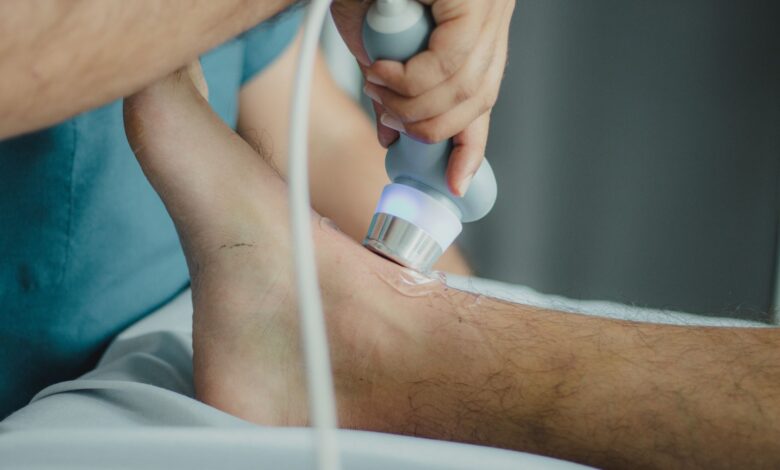
The Quiet Exit Happening Across Physical Therapy Clinics
Physical therapy has always been a fragmented business – thousands of independent and regional clinic groups scattered across suburban strip malls, hospital corridors, and sports medicine campuses, each built by clinicians who wanted to run their own practice. That ownership model is now collapsing at a pace most patients never see. Private equity-backed rollup platforms have been systematically acquiring regional PT groups for several years, and the deals are accelerating as interest from consolidators grows and founding owners age into exit windows.
The transactions rarely make headlines. A group with eight clinics in the mid-Atlantic sells. A sports rehab chain with locations across two states closes a deal. A pediatric PT practice founded by two occupational therapists signs letters of intent. None of it registers publicly until the signage changes or the billing department shifts. But the cumulative effect is a wholesale restructuring of who owns physical therapy in America – and what that ownership demands.
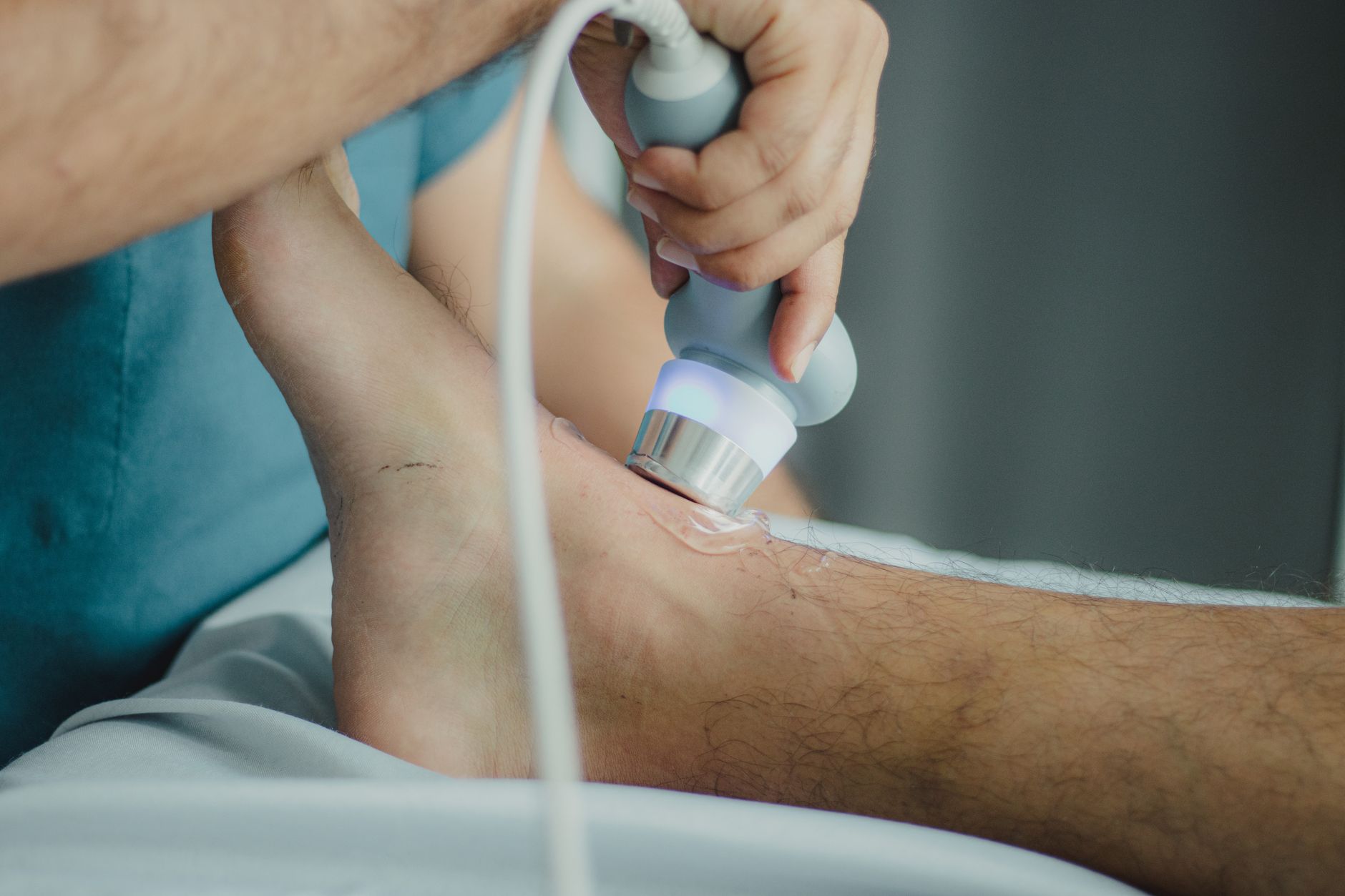
Why PE Finds PT Attractive Right Now
Physical therapy sits at an appealing intersection for private equity: recurring patient volume, relatively low facility overhead compared to surgical specialties, and reimbursement streams that – while subject to Medicare pressure – remain predictable. A well-run outpatient PT clinic generates consistent cash flow without the capital intensity of an imaging center or ambulatory surgery facility. That profile makes it easy to model, and easy to stack into a portfolio.
The rollup logic is straightforward. A platform acquires a regional group, installs centralized billing and credentialing, eliminates redundant administrative functions across locations, and benefits from improved payer contract leverage as the clinic count grows. Each subsequent acquisition comes at a lower multiple than the platform’s current valuation, creating what PE firms call multiple arbitrage. The strategy does not require operational genius – it requires volume and speed.
Regional groups with between five and thirty locations have become the preferred targets. They are large enough to have cleaned up their operations, small enough that founders remain personally involved and motivated to sell, and geographically concentrated enough that integration is manageable. A solo practitioner with one clinic rarely makes sense for a PE rollup. A founder with twelve locations who is sixty-one years old and has no internal succession plan is exactly the profile these platforms pursue.

What Founders Are Weighing
The decision to sell is rarely just financial, though the financial terms are genuinely significant. A regional PT group that built slowly over two decades – adding locations, training staff, negotiating local payer contracts – can suddenly access a valuation multiple that would have been unthinkable if sold to another independent operator. PE platforms are paying premiums for scale and EBITDA stability, and founders who have spent years building that stability are in a position to capture it.
What makes these deals complicated is the equity rollover component that most PE buyers require. Founders typically retain a minority stake in the combined platform, which means their financial outcome depends heavily on whether the rollup achieves a successful secondary sale or IPO. That second bite is the pitch. It is also the risk. If the platform struggles to grow, if reimbursement compresses, or if integration across dozens of acquired clinics creates operational chaos, the retained equity can lose value faster than the founders expect.
The Staffing Problem Nobody Mentions at the Term Sheet Stage
Physical therapists are licensed professionals who chose clinical roles for specific reasons. Many joined regional or independent groups precisely because those practices offered autonomy, manageable patient loads, and cultures set by clinician-owners rather than corporate metrics. When a PE-backed platform takes over, the culture shift is often immediate and felt most acutely by staff who had no voice in the transaction.
Productivity benchmarks tighten. Patient session times compress. Documentation requirements shift toward whatever format the central billing team needs. The physical therapist who was seeing ten patients a day at a founder-owned clinic may find the new ownership expecting fourteen or fifteen. Some adapt. Others leave, and replacing licensed PTs in a competitive labor market is expensive and slow. Turnover at acquired clinics is a recognized problem across the rollup space – one that the financial models account for in theory but often underestimate in practice.
This dynamic matters for patients too. Physical therapy outcomes depend heavily on continuity. A patient recovering from rotator cuff surgery or learning to walk again after a neurological event builds a functional relationship with a specific therapist over weeks or months. High staff turnover disrupts that continuity in ways that are difficult to measure on a EBITDA dashboard but are immediately apparent to anyone sitting in the waiting room. The rollup model optimizes for margin, and margin does not always align with the time-intensive, relationship-dependent work that good PT actually requires.
This pattern is not unique to physical therapy. Regional ambulatory surgery centers are navigating the same consolidation pressure, where national platforms are absorbing independent operators with similar promises of scale benefits and back-office efficiency. The staffing tensions that emerge post-acquisition look remarkably similar across specialties – the business logic of consolidation runs into the clinical reality that healthcare delivery is not a manufacturing process.

Where the Pressure Points Are Building
The rollup wave in PT is not without structural vulnerabilities. Medicare reimbursement for outpatient therapy has faced recurring cuts, and the financial models that PE firms built when interest rates were lower now carry more debt service than originally projected. A platform that acquired twenty regional groups at aggressive multiples in a low-rate environment has to grow faster and squeeze harder to hit the return targets it promised its limited partners.
Payer mix is another pressure point. Commercial insurance pays significantly better than Medicare for PT services, and platforms are acutely aware of which acquired clinics carry too much Medicare volume. The push to optimize payer mix – to attract more commercially insured, working-age patients and fewer elderly Medicare beneficiaries – shapes everything from marketing spend to which zip codes attract new location investments. The patients who need PT most are not always the patients the platform wants to see most.
State regulators are also paying more attention. Several states have laws restricting corporate ownership of physical therapy practices, though enforcement has been inconsistent and PE structures have found ways to operate within the letter of those regulations while effectively controlling clinical operations. Regulatory scrutiny is building alongside the consolidation itself, and the question is whether it moves fast enough to shape the market before independent ownership effectively disappears from large portions of the country.
Founders who sold three or four years ago are now watching the platforms they joined reach their hold period. Some will see strong exits. Others are quietly discovering that the second bite of the apple tastes different than the pitch deck suggested – and that the clinics they built over decades look considerably different from the inside of a portfolio company.