
Across the country, family-owned pest control companies that have served their communities for decades are signing acquisition agreements with Rentokil, the British multinational that now controls a substantial portion of the North American pest control market. Most of these deals never make headlines. They happen quietly, between a retiring founder and a corporate representative, and the only sign anything changed is a new logo on the service van.

The Acquisition Machine Behind the Scenes
Rentokil’s North American strategy accelerated dramatically after its acquisition of Terminix in 2022, a deal that immediately vaulted it into a dominant position in a fragmented, local-operator-heavy industry. But the Terminix deal was only the headline move. Below that level, Rentokil has been running a steady, methodical campaign to absorb regional operators – companies with anywhere from five to two hundred service vehicles, loyal customer bases, and owners who spent thirty years building something they now want to monetize.
The appeal for sellers is straightforward. Pest control is a physically demanding, operationally complex business. Owners deal with technician turnover, chemical supply chains, insurance costs, and the constant pressure of competing against both national brands and low-cost independents. When a Rentokil representative arrives with a clean offer – typically structured around a multiple of recurring revenue – many owners find it easier to sell than to spend another decade fighting for market share. The recurring service contract model means buyers can price acquisitions with reasonable confidence, since residential and commercial pest control customers tend to renew year after year.
Rentokil’s approach isn’t random. The company targets operators in geographic markets where it lacks density, using acquisitions to fill route gaps and increase technician utilization. A route that loses money in isolation becomes profitable when combined with adjacent routes already on a Rentokil technician’s schedule. This is the core economics of pest control consolidation: density drives margin, and buying existing customers is faster than earning them.
The sellers themselves often stay on for transition periods, sometimes years, before fully exiting. Rentokil has been deliberate about preserving local brand names in many markets, at least initially, which reduces customer churn and softens the transition. Customers calling the same number, reaching a familiar voice, and receiving service from a technician they know may not realize ownership changed until they notice the new billing entity.

Why Regional Owners Are Ready to Sell Now
Timing matters in any acquisition wave, and several conditions are converging to make this moment particularly active. The generation of entrepreneurs who founded independent pest control companies in the 1980s and 1990s is now in their late fifties and sixties. Succession is a genuine problem. Unlike a medical or legal practice, pest control doesn’t lend itself to a simple handoff to a family member unless that family member wants to manage technicians, handle chemical compliance, and compete against a company with a national marketing budget.
Private equity has also shaped owner expectations in this space. Over the past decade, PE-backed rollup platforms like Anticimex and others have been aggressive acquirers, paying prices that pushed industry valuation multiples higher. When a competitor down the road sells for a number that would have seemed absurd ten years ago, it recalibrates what every other owner thinks their business is worth. Rentokil, with the balance sheet of a publicly traded multinational, can compete at those valuations and often exceed them when the strategic fit is strong enough.
Labor pressure is another factor pushing owners toward the exit. Finding and keeping licensed pest control technicians has become harder as the broader service labor market tightened. Larger operators can offer better benefits, clearer career paths, and more consistent schedules. An independent owner with fifteen technicians often can’t match that, and turnover is expensive in a route-based business where relationships between technician and customer drive retention. For many owners, the calculation shifted from “how do I grow” to “what is this worth before it gets harder.”
Regulatory complexity has also quietly increased the cost of running an independent operation. Pesticide licensing requirements, environmental reporting, and insurance thresholds have all trended upward over the past decade. Compliance is manageable for a company with a dedicated administrative team, but for a founder-operator still handling sales calls and personnel issues, it adds hours and anxiety to an already full week. Rentokil absorbs that burden entirely post-acquisition.
There is also a psychological dimension that rarely appears in trade coverage. Many owners spent their careers competing against Terminix or Orkin, viewing national brands as the enemy of the independent. The fact that Rentokil now owns Terminix changes that framing for some sellers. It feels less like surrendering to a corporate giant and more like joining a larger entity that at least understands the business. Whether that perception holds up post-acquisition is a different question.
What Consolidation Means for Customers and Workers
For residential customers, the immediate experience of consolidation tends to be uneventful. Service quality in the short term often remains stable because the same technicians are on the same routes. The concerns surface later: pricing power increases as local competition thins, service customization decreases as operations get standardized, and the personal relationship with the company owner disappears entirely. A customer who used to call the owner directly with a complaint now navigates a national customer service structure.
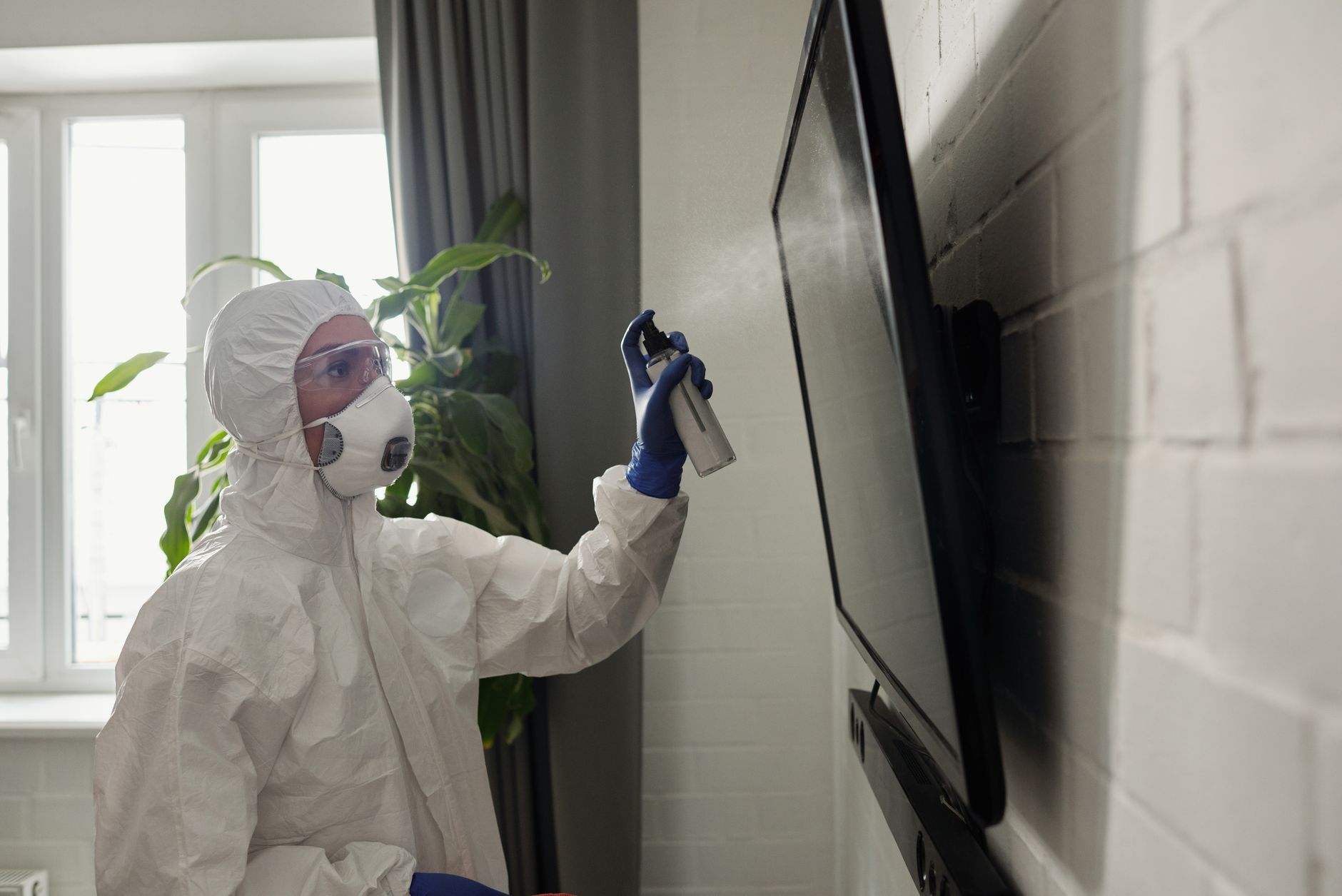
For technicians, acquisition can cut either way. Some benefit from the improved benefits and training resources a larger operator provides. Others find that corporate efficiency drives – tighter route times, stricter performance metrics, reduced flexibility – change the character of a job they valued for its autonomy. The independent pest control operator who let a long-tenured technician set his own schedule has no equivalent inside a publicly traded company managing labor costs across thousands of routes. That tension doesn’t resolve cleanly, and it is the detail most acquisition announcements leave out.