A Quiet Consolidation Hiding in Plain Sight
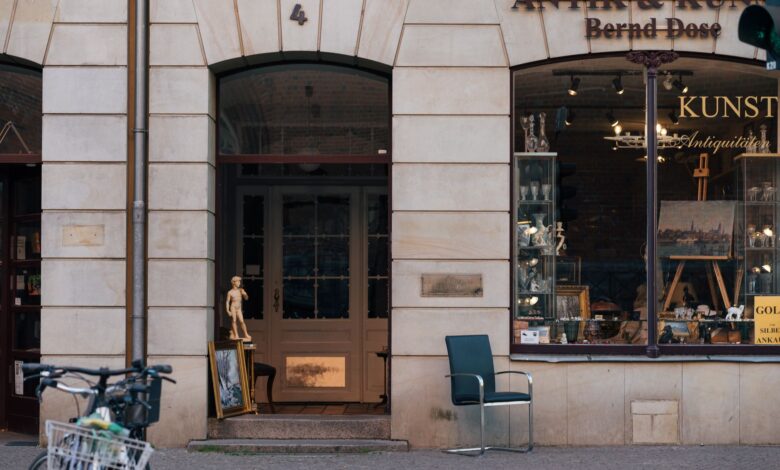
Walk past a strip mall in any mid-size American city and you might notice something: the rent-to-own store that used to anchor the corner unit is gone. Sometimes the sign changed overnight. Sometimes the storefront sat dark for a few months before reopening under a different brand. What looks like ordinary retail churn is actually part of a deliberate acquisition pattern – regional pawn chains are buying up rent-to-own store portfolios, often store by store, and the strategy is working precisely because it draws so little attention.
The rent-to-own sector has been contracting for years. Major national players have shuttered underperforming locations, and smaller regional operators have found themselves squeezed between rising inventory costs and customers who now have more financing options than ever before. Into that gap, pawn chains with cash on hand and existing retail infrastructure are stepping in – not to run rent-to-own operations, but to convert or absorb those locations into their own growing footprints.
Why Pawn Chains Want These Locations
The appeal is straightforward once you understand how pawn retail works. A pawn shop needs foot traffic, accessible parking, and proximity to working-class and lower-middle-income neighborhoods – exactly the demographics that rent-to-own stores historically targeted. When a rent-to-own operator closes or sells a location, the physical site already checks every box. Lease terms are often transferable, buildout costs are minimal because the floor plan already suits retail display and storage, and the surrounding customer base is already conditioned to walk through that door for consumer goods.
There is also a less obvious angle: customer data and existing relationships. Rent-to-own operators maintain detailed records on customers who have made consistent weekly or monthly payments over years. Those payment histories represent real credit behavior that never shows up on a traditional credit report. For a pawn operator looking to expand into secured lending or layaway-style product financing, that kind of community financial knowledge has genuine value beyond just the square footage.
The inventory overlap matters too. Electronics, appliances, furniture, and tools – the bread and butter of rent-to-own – move through pawn shops constantly. A regional pawn chain absorbing a rent-to-own location does not have to overhaul its merchandising playbook. The product categories are nearly identical. What changes is the transaction model: from weekly payment plans on new goods to collateral-based loans and resale of used goods, a shift that typically carries far higher margins on individual transactions.
The Sellers Are Running Out of Options
Regional rent-to-own operators are not selling because business is booming. A combination of factors has steadily eroded the model. Buy-now-pay-later platforms have pulled away younger customers who once would have walked into a rent-to-own store to finance a laptop or a couch. Online resale marketplaces have made used appliances and furniture cheaper and more accessible. And the administrative burden of managing weekly payment collections across dozens of store locations has become harder to justify as margins compress.
For a regional operator sitting on ten or fifteen store leases with declining same-store revenue, a pawn chain offering a clean exit starts to look like the most realistic path forward. These are not distressed fire sales in every case, but the negotiating leverage has clearly shifted. Pawn chains are buying from a position of strength, often paying for lease assumptions and existing inventory at prices that reflect the seller’s urgency rather than the strategic value of the real estate.
How the Conversion Actually Works
The mechanics of these deals vary, but a common pattern involves the pawn chain acquiring the lease and physical assets – shelving, display cases, security infrastructure – while leaving the rent-to-own brand and any remaining active customer payment contracts to wind down separately. In some cases, the acquiring chain honors existing rent-to-own contracts through their term as a goodwill gesture to inherit the customer relationship, then shifts those customers toward the pawn model once the contract concludes.
Store rebranding typically happens within sixty to ninety days of a deal closing. Interior renovations are minimal – the counter configurations already support the transaction model of a pawn operation. The most significant operational change is usually staffing: rent-to-own employees are often retrained or replaced with staff experienced in jewelry assessment, collateral valuation, and the specific compliance requirements around pawn lending, which vary considerably by state.
Regulatory geography plays a bigger role in this consolidation than most observers would expect. Pawn lending is governed at the state level, and licensing requirements differ enough that a regional chain cannot simply expand into a new state by acquiring locations there. The chains moving most aggressively on rent-to-own portfolios tend to operate in states where they already hold pawn licenses and where the regulatory environment for secondhand goods dealers is relatively stable. That creates a natural boundary around which chains can pursue which deals, keeping the consolidation concentrated in specific regional markets rather than playing out as a national wave.
What makes this acquisition trend financially interesting is the compounding effect on market presence. A pawn chain that adds five or six locations in a single metro area does not just grow its store count – it starts to shape where customers go for short-term liquidity and consumer goods financing across an entire community. The rent-to-own operators they are replacing served that same function for a different generation of customers. The question that follows the next wave of store conversions is whether the pawn model, with its collateral requirements and different transaction structure, can fully absorb the customer need that rent-to-own was built to serve – or whether it leaves a gap that some other format will eventually rush to fill.