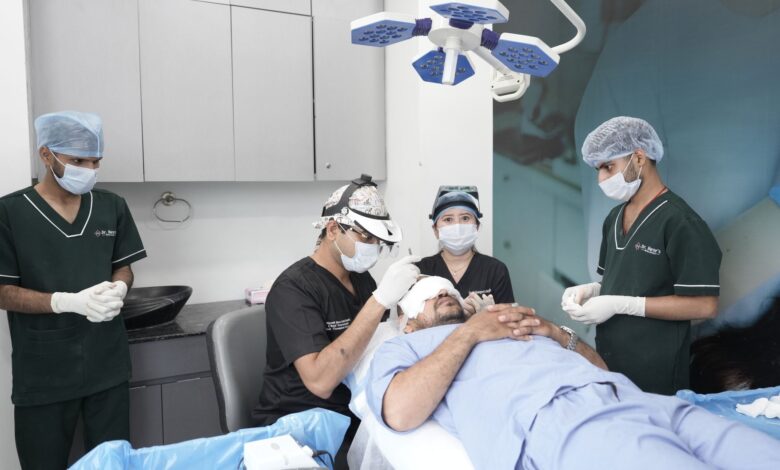
A quiet consolidation is moving through the regional ophthalmology market. Independent surgery centers that have operated for decades under family or physician ownership are increasingly signing over their practices to LasikPlus, the national vision correction chain backed by private equity. Most of these deals happen without press releases, without fanfare, and without much public notice at all.
The Sell-Off Pattern Taking Shape Across Regional Markets
LasikPlus, formally operated under the parent company LCA-Vision, has been methodically expanding its footprint beyond its traditional mall-based clinic model. Rather than building new locations from scratch, the company has found a faster path: acquiring established regional ophthalmology surgery centers that already have patient bases, licensed surgeons, and functioning equipment. The targets tend to be centers in mid-sized metro areas and suburban markets where a single physician-owner has built a loyal referral network over 15 to 25 years.
The appeal for sellers is straightforward. Running an independent ophthalmology surgery center in the current environment means absorbing rising liability premiums, navigating increasingly complex billing infrastructure, competing with better-funded national brands on advertising, and managing staff retention in a tight labor market for surgical technicians and optometrists. For a physician approaching their late 50s or early 60s with no clear succession plan, a buyout offer from an established national chain resolves all of those problems at once, and generates a substantial liquidity event in the process.
The financial logic driving LasikPlus’s acquisition strategy is also clear. LASIK and related refractive surgeries – including PRK, SMILE, and lens replacement procedures – carry margins that most healthcare services cannot match. These procedures are elective, paid almost entirely out of pocket, and require relatively limited ongoing consumable costs once the equipment is in place. Acquiring a regional center means inheriting a patient flow that a local surgeon has spent years cultivating through referral relationships with general optometrists in the surrounding area.
What makes this wave of deals distinct from typical healthcare consolidation is how quietly it is moving. There is no coordinated announcement strategy, no industry conference where LasikPlus executives are publicly discussing a national acquisition campaign. Deals surface only when a former patient notices the branding has changed on their surgery center’s website, or when a local optometrist realizes their longtime referral partner now operates under a corporate parent. The discretion is deliberate – abrupt rebranding can unsettle patients who chose a specific practice precisely because of its independent, physician-run reputation.

What Happens to the Centers After Acquisition
The integration playbook that national vision correction chains typically apply to acquired regional centers follows a recognizable pattern. In the initial months, little changes visibly – the same surgeons often remain on staff, the same front-desk team handles scheduling, and the facility continues operating under its original name or a hybrid brand. This continuity is intentional. It preserves the referral relationships that made the center worth acquiring in the first place.
Behind the scenes, however, the transition is immediate. Billing systems migrate to the parent company’s infrastructure, pricing models are standardized to align with LasikPlus’s national fee schedules, and marketing budgets shift from local print and radio to the company’s national digital advertising framework. A center that previously marketed itself as a boutique, physician-founded practice starts appearing in LasikPlus search ads targeting the same zip codes. Patients researching the local practice increasingly land on the parent company’s booking platform rather than a standalone website.
The surgeon situation varies. Some physician-owners negotiate extended employment agreements as part of their exit, continuing to perform procedures for two to four years post-acquisition while the company builds or recruits a replacement. Others take their payout and leave within six months, which creates a transition risk that LasikPlus has to manage through its own surgeon recruitment pipeline. For the remaining staff – surgical techs, patient coordinators, optometric assistants – employment terms depend heavily on whether the acquiring entity classifies them as essential to continuity or redundant relative to existing staffing at nearby LasikPlus locations.
Patient outcomes and care quality following these acquisitions are harder to track, and that ambiguity is part of what makes the consolidation trend worth watching. Independent centers often built their reputations on customized pre-surgical consultation and follow-up protocols developed by the founding surgeon. When that surgeon departs and the center begins operating under standardized corporate protocols, the question is whether those protocols match or improve on what existed before. For straightforward LASIK candidates, the answer is probably yes – national chains have high-volume efficiency working in their favor. For more complex refractive cases, the answer is less predictable.
This pattern of healthcare service consolidation is not unique to ophthalmology. Regional dialysis equipment suppliers have undergone similar quiet absorption by larger national operators, following the same logic: fragmented independent operators become acquisition targets when the operational costs of independence outpace the financial benefits of autonomy. The mechanism is the same even when the specialty differs.
What Regional Operators Are Weighing Before They Sell

Not every independent ophthalmology surgery center is a willing seller, and the decision is rarely purely financial. Physician-owners who built their centers around a specific surgical philosophy – a particular approach to pre-op screening, a commitment to operating only on ideal candidates rather than maximizing volume – often resist acquisition terms that would subordinate those standards to a corporate performance framework. The tension between personal professional identity and financial exit value is real, and some owners who receive initial outreach from LasikPlus or similar acquirers decline and then receive follow-up interest 12 to 18 months later when their circumstances have shifted.
The more pressing question for the regional ophthalmology market is what happens to the centers that choose not to sell. As LasikPlus absorbs more regional competitors, the marketing and pricing pressure on the remaining independents intensifies. A national chain can sustain a price promotion in a specific market long enough to shift patient behavior, then normalize pricing once local competition has thinned. Independents who survive that cycle do so by competing on something a national brand genuinely cannot replicate – surgical reputation, physician access, or deeply embedded community relationships. Whether those advantages hold as the consolidation continues is the real question hanging over every independent center that has not yet had that acquisition conversation.