Regional Home Builders Are Quietly Selling Land Banks to Institutional Buyers

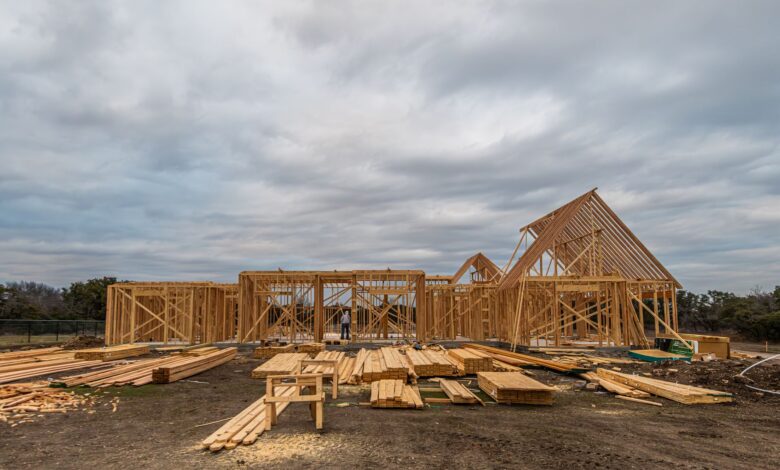
A quiet shift is moving through the residential construction industry: regional home builders are offloading their raw land holdings – parcels assembled over years, sometimes decades – to institutional buyers, often without public announcement or fanfare. The deals are getting done quickly, and most homebuyers have no idea it’s happening.
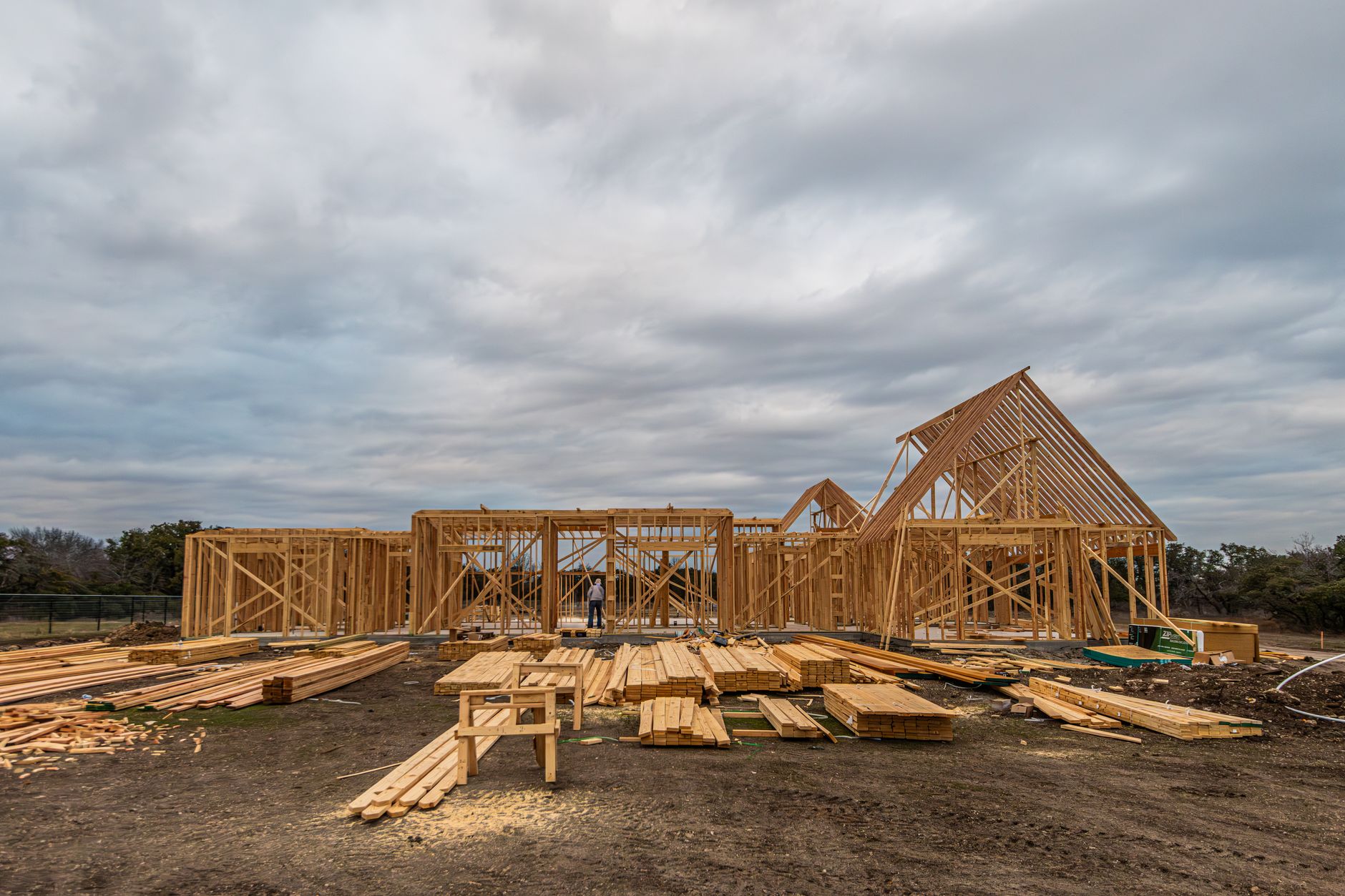
Why Builders Are Letting Go of Their Land
Land banking – the practice of acquiring and holding undeveloped parcels in anticipation of future construction – has long been a competitive advantage for regional builders. A well-positioned land bank means a builder controls its own pipeline, insulated from the volatility of lot availability and land pricing. For decades, the builders who held the most land held the most power in their local markets.
That calculus is changing. The cost of carrying raw land has risen sharply as interest rates climbed, and regional builders who took on large land positions during the low-rate years are now sitting on expensive capital with timelines that keep stretching. Entitlement processes – the regulatory gauntlet required before a single home can be built – have grown longer and more uncertain. What once took 18 months in many Sun Belt markets now routinely takes three to five years, and that extended runway is brutal for balance sheets that aren’t backed by institutional capital.
At the same time, large institutional buyers – real estate private equity funds, family offices deploying patient capital, and publicly traded land companies – have developed more sophisticated appetites for exactly this kind of asset. They can absorb the carrying costs and timeline uncertainty that regional builders can’t. For an institutional buyer with a 10-year fund horizon, a parcel that won’t be shovel-ready for four years is a perfectly reasonable investment. For a regional builder trying to manage quarterly cash flow, it’s a liability.
The result is a growing number of sale-leaseback and land option structures that let builders divest the land itself while retaining the right to purchase finished lots when they’re ready to build. The builder gets immediate liquidity. The institutional buyer gets land appreciation and a guaranteed future customer. Both sides declare it a win, and the transaction rarely generates a press release.
How the Deals Actually Work
The mechanics of these transactions vary, but the most common structure involves an institutional buyer acquiring raw or partially entitled land outright, then entering into a takedown agreement with the original builder. Under a takedown agreement, the builder commits to purchasing finished lots on a rolling schedule – typically 20 to 50 lots at a time – at a price set at the time of the original land sale, plus a development and return margin for the institutional party. The builder never has to finance the raw land or fund the horizontal development. They simply buy lots as they need them, converting a capital-heavy land position into a more predictable operating cost.
This structure has been standard practice among the national public builders – companies like D.R. Horton and NVR have used asset-light land models for years. What’s new is regional builders adopting the same playbook, either by necessity or by design. A builder doing 200 to 500 homes a year in a single metro market doesn’t have the balance sheet to justify sitting on 1,500 raw acres when rates are at current levels. Selling the land to an institutional partner and converting to a lot-option model frees up capital that can be redeployed into operations, marketing, or simply returned to the owners.
Some of these transactions are happening through direct relationships between builders and institutional land companies that have been quietly building regional networks. Others are brokered through investment banks and commercial real estate advisors who have started specializing in builder land portfolios as a distinct asset class. The buyer universe has expanded considerably – it now includes not just domestic private equity but foreign capital seeking U.S. residential exposure without the complexity of actually building homes.
The pricing dynamics are worth examining. Institutional buyers are not acquiring this land at distressed prices in most cases. Regional builders with well-positioned parcels in high-demand markets still have leverage. What they’re giving up is future upside – if land values continue to appreciate, the builder who sold early captures none of that gain. What they’re getting is certainty: a known cost basis for future lots, no land carrying costs, and a cleaner balance sheet. For privately held regional builders who are thinking about eventual exit or succession, that balance sheet clarity has real value in a potential sale or recapitalization.

The risk concentration is shifting too. When a regional builder held its own land, the local knowledge embedded in that decision – understanding which parcels would get approved, which school districts would drive demand, which infrastructure improvements were coming – was a proprietary advantage. As institutional buyers absorb those land positions, they’re also absorbing that geographic risk, but without the same granular local intelligence. Some are hiring regional land teams to compensate. Others are leaning heavily on the original builder’s continued involvement through the takedown relationship as a form of embedded due diligence. Whether that works over a full market cycle remains an open question.
What It Means for Local Housing Markets
The presence of institutional capital in regional land markets creates dynamics that local governments and housing advocates are only beginning to understand. When a regional builder controls land, development timelines are driven by the builder’s operational capacity and market read. When an institutional fund controls land, timelines are driven by fund return requirements – which may or may not align with local housing demand. A fund under pressure to realize returns might push for faster entitlement and development. A fund in no hurry might sit on a parcel longer than a builder would. Neither outcome is inherently good or bad for housing supply, but the decision-maker is now operating on a different set of incentives than the one local planners assumed.
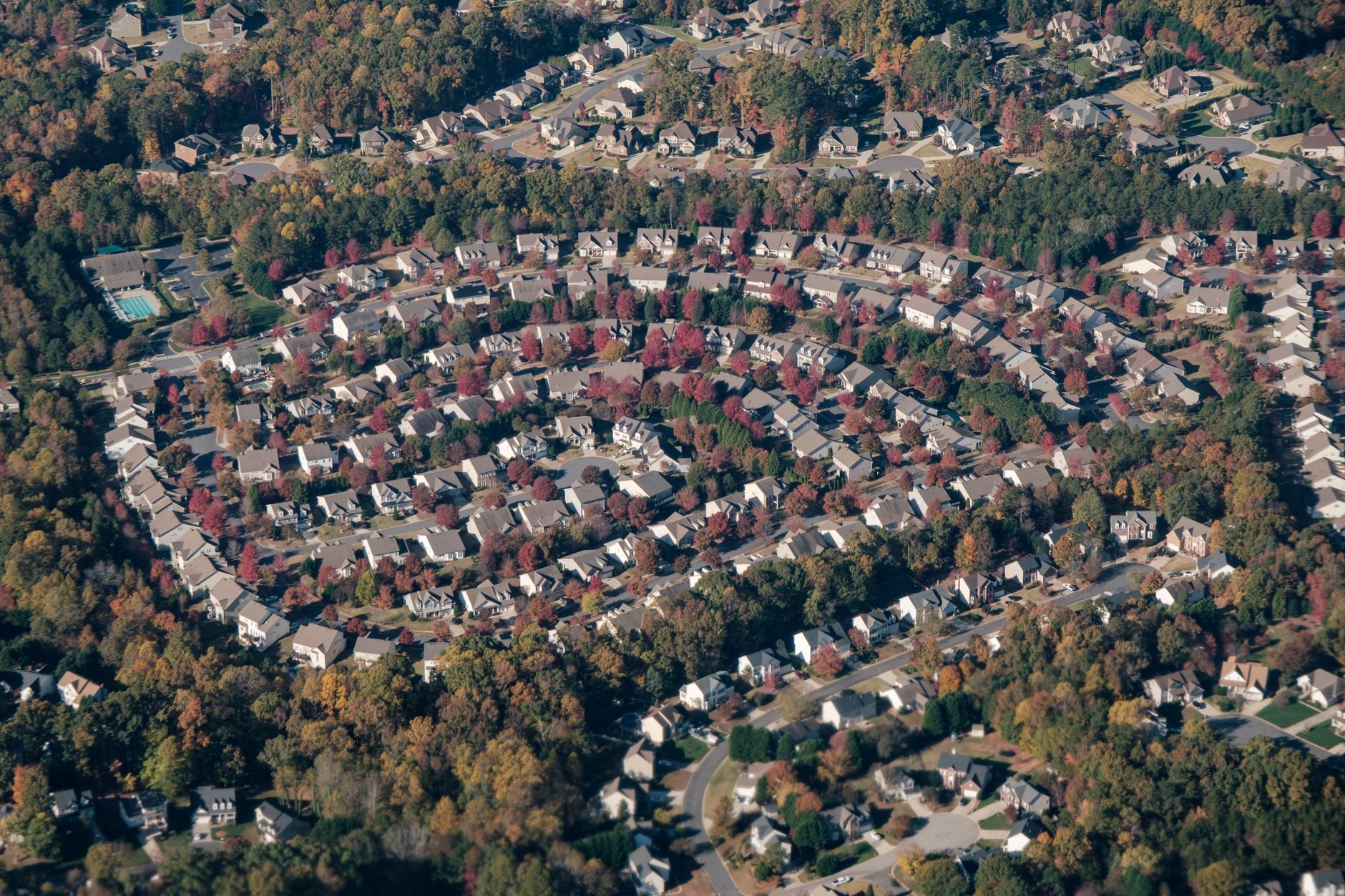
For buyers trying to understand why new home pricing in their market seems sticky even as builder incentives have increased, the land cost structure embedded in these institutional takedown agreements is part of the explanation. The lot prices builders are paying under these agreements often reflect land values from the peak of the market, baked into a contractual obligation that can’t be renegotiated when conditions soften. The builder may be offering rate buydowns and closing cost assistance to move inventory, but the underlying lot cost is fixed – and that floor isn’t going anywhere until the takedown agreement is renegotiated or expires.