
The Quiet Retreat
Regional equipment finance lenders are pulling back from small fleet deals – not loudly, not with press releases, but through tightened credit criteria, longer approval timelines, and minimum transaction thresholds that quietly price out operators running five to fifteen trucks.

Why Lenders Are Walking Away
The math has shifted against small fleet financing in ways that took a few years to fully materialize. Regional lenders typically operate on thinner margins than national banks, and the administrative cost of underwriting a $400,000 deal for four refrigerated units is nearly identical to underwriting a $4 million deal for forty. When interest rate environments tighten and capital costs rise, that cost-to-income ratio becomes harder to justify on the smaller end.
Credit risk is the other half of this equation. Small fleet operators – regional delivery contractors, agricultural haulers, construction equipment runners – tend to have revenue concentrated in a handful of clients. One lost contract, one bad season, one supply chain disruption, and the cash flow picture changes overnight. Regional lenders, who often lack the sophisticated risk modeling tools of larger institutions, have found it easier to raise minimum deal sizes than to build better frameworks for assessing that kind of concentration risk.
There is also the collateral problem. Equipment values have been volatile. The secondary market for specialized fleet assets – refrigerated trailers, heavy-haul flatbeds, specialty cranes – can swing hard based on commodity demand and fuel economics. A lender who financed a small fleet of natural gas-powered delivery vans three years ago may now be sitting on collateral worth considerably less than the outstanding loan balance. That experience has made regional credit committees cautious in ways that disproportionately affect smaller operators, who are more likely to be financing niche or aging equipment rather than late-model standardized units.
Staffing changes at regional institutions are accelerating this. Many regional banks and credit unions have lost experienced commercial lending officers to larger platforms offering better compensation. The replacements are often less comfortable with the nuanced judgment calls that small fleet underwriting requires – reading an owner-operator’s personal tax returns alongside business financials, understanding seasonal revenue patterns, weighing the value of a long-standing banking relationship against a borderline debt-service coverage ratio. Without that expertise, credit committees default to rigid criteria, and small fleet deals fall out of the decision funnel before anyone senior even reviews them.

What Operators Are Running Into
The experience on the ground for small fleet operators has gone from inconvenient to genuinely disruptive. A business owner who financed three trucks with a regional lender four years ago, built a solid repayment record, and now needs to add two more vehicles is encountering a different institution than the one they originally worked with. The relationship that was supposed to make regional lending an advantage is running up against new policies that treat the request as if it were coming from a stranger.
Minimum deal thresholds are the most direct barrier. Regional lenders that once handled transactions starting at $150,000 to $200,000 are quietly moving their floors to $500,000 or higher. For an operator adding one or two units, that gap is unbridgeable without consolidating purchases or taking on more debt than the business actually needs. Some operators are being told informally – not in writing – that their deal “isn’t the right fit right now,” which is lender language for a denial without the paperwork trail of a formal rejection.
Approval timelines have extended as well. What once took three to four weeks is now stretching to eight or ten, as deals sit in queues waiting for credit committee attention that is increasingly focused on larger commercial accounts. For a trucking operator who needs a vehicle to fulfill a contract that starts next month, an eight-week approval window is effectively a no. The deal either dies or goes somewhere else.
The “somewhere else” options are narrowing too. National bank programs for small fleet financing exist, but they come with stricter documentation requirements and less flexibility on deal structure. Equipment manufacturers’ captive finance arms will fund their own branded units but won’t touch a mixed fleet. Online equipment finance platforms have moved into the space with faster approvals, but their rates frequently run two to four percentage points higher than regional bank rates, which can add tens of thousands of dollars to the total cost of a multi-unit transaction. That pricing gap compounds over a five-year loan term in ways that cut directly into operating margins.
This pattern mirrors what has been happening in other financial services sectors where regional players are stepping back from lower-margin or higher-complexity business segments. Regional title agencies have been making similar moves in the residential refinance market, retreating from volume-intensive, lower-fee transaction types as their cost structures no longer support them. The logic is similar: when the economics of a transaction type stop working for a regional operator’s overhead model, the category gets quietly abandoned rather than restructured.
The Gap That’s Opening Up
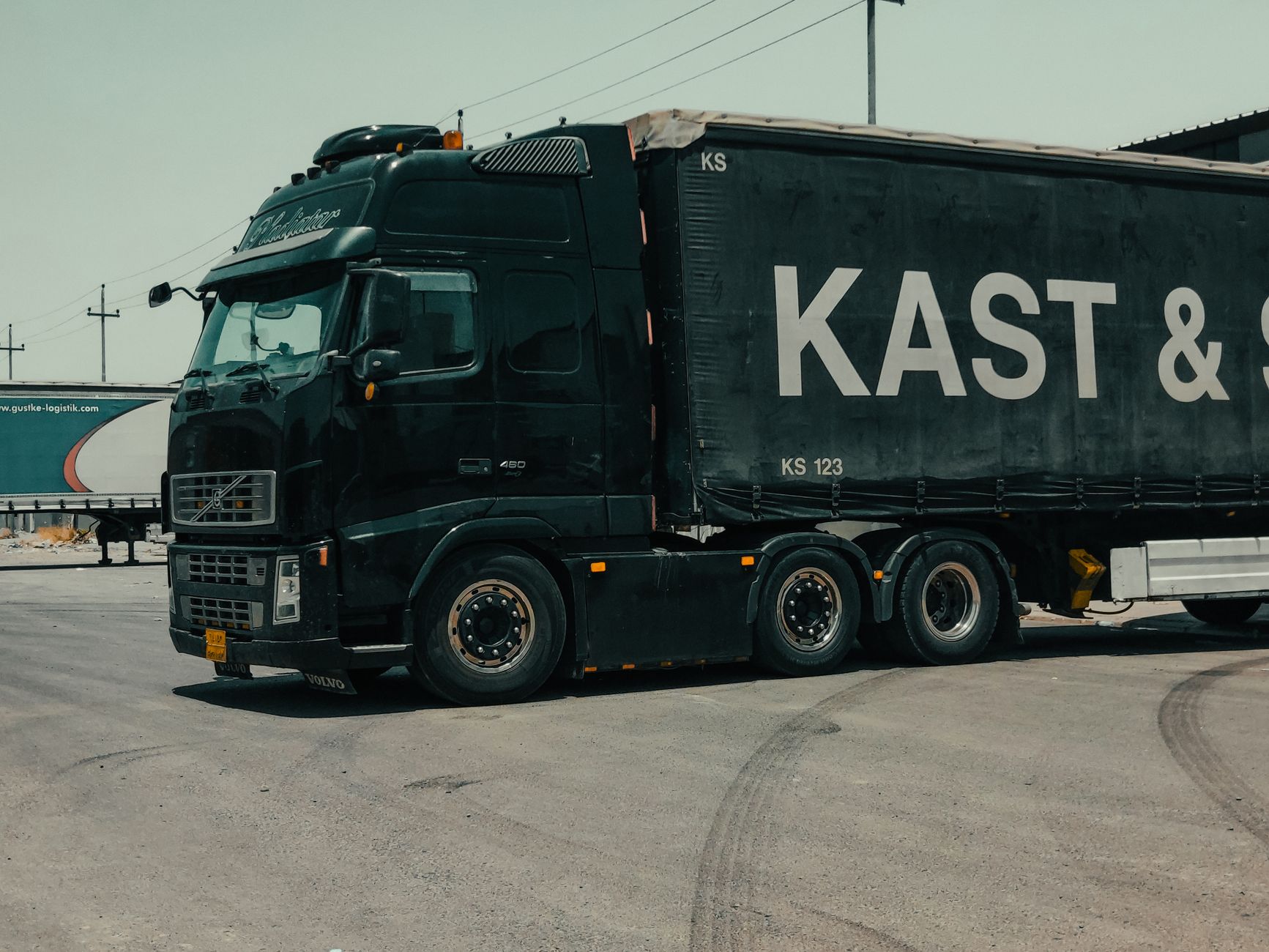
What’s left is a financing gap that no single category of lender is currently designed to fill well. Small fleet operators represent a meaningful segment of commercial transportation and construction activity, but they fall between the thresholds that large institutions want and the risk profiles that regional lenders are now willing to accept. Credit unions with commercial lending programs have picked up some of this slack, but their capacity is limited and their geographic reach uneven. CDFI lenders and SBA-backed programs exist but involve documentation burdens and approval timelines that don’t match the speed at which fleet operators need to make capital decisions.
The operators most exposed are those who built their businesses assuming that a banking relationship would scale alongside them – that five good years of repayment history with a regional lender would translate into easier access when they needed to grow. For many of them, that assumption is proving wrong, and they are now hunting for financing options at exactly the moment when the market for those options is contracting. A fleet operator in a mid-size market trying to add equipment ahead of a peak season is not waiting for the credit landscape to sort itself out.