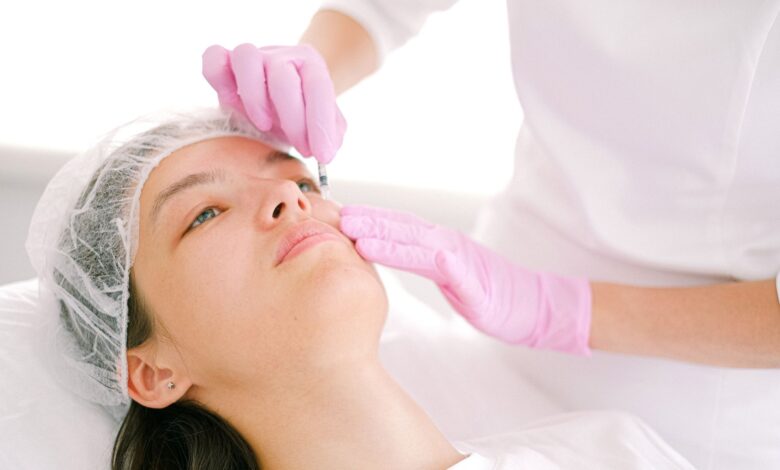
Private equity has discovered dermatology, and the acquisition wave moving through independent practices across the country is happening fast enough that most patients will never notice until the bill arrives differently.

Why Dermatology Attracted PE Money in the First Place
Dermatology checks nearly every box that private equity looks for in a healthcare rollup target. The procedures are high-volume and largely elective, which insulates revenue from insurance reimbursement battles that plague other specialties. Cash-pay services – Botox, laser treatments, chemical peels, cosmetic consultations – sit alongside medical dermatology, creating a dual revenue stream that most physician practices can only dream of. When you combine recurring patient relationships with the kind of aesthetic service demand that tends to survive economic downturns reasonably well, you get a business model that PE firms find easy to underwrite.
The math behind a rollup becomes compelling at scale. A single practice with three dermatologists might generate solid revenue but trades at a modest valuation multiple because it carries key-person risk and limited negotiating leverage with suppliers and payors. Bundle fifteen of those practices under one management entity, centralize billing, negotiate better supply contracts, and add a layer of administrative infrastructure – suddenly the same underlying revenue commands a significantly higher multiple. That spread between what the platform pays to acquire individual practices and what it eventually sells the combined entity for is where the returns are made.
Independent dermatology practices have also been quietly struggling with the same pressures hitting every corner of medicine: rising malpractice costs, electronic health record burdens, staff recruitment difficulties, and the sheer administrative weight of running a small business while also trying to practice medicine. When a PE-backed group arrives offering cash, the chance to shed administrative headaches, and a promise that clinical autonomy will be preserved, the pitch lands differently than physicians might expect. Many founders are also approaching retirement age without a natural succession plan, making the acquisition conversation feel less like a sellout and more like an exit strategy.
Regional practices in mid-size markets have been particularly active targets. Unlike large academic medical center-affiliated groups, which have institutional protection and bureaucratic complexity that makes them harder to acquire, a four-physician private practice in a secondary metro has no such armor. The dermatologists are often the sole owners, negotiations are direct, and deal timelines move faster than they would in a hospital system context.

What Actually Changes After the Deal Closes
The first thing most acquired practices notice is a restructuring of administrative functions. Billing moves to a centralized team, often offshore or in a low-cost domestic hub. Scheduling software gets standardized across the platform. Vendor contracts get renegotiated. These changes are presented as efficiency upgrades, and in many cases they genuinely reduce friction for physicians who were handling those functions themselves. What they also do is make the practice operationally dependent on the PE platform, which is precisely the point.
Clinical autonomy clauses are standard in acquisition agreements, but they carry less weight in practice than the language suggests. The pressure to optimize revenue per patient visit is built into the management infrastructure rather than issued as a directive. When a practice management system flags that a patient hasn’t been offered a cosmetic consultation in eighteen months, or when scheduling protocols push shorter appointment windows to increase daily patient throughput, the incentives are baked into workflow rather than spoken out loud. Physicians who resist those embedded pressures often find themselves in conversations about “practice alignment” with management.
Staffing tends to turn over at a higher rate post-acquisition. Office managers and front desk staff who built careers in a single independent practice often struggle with the shift to corporate protocols and remote management. Experienced medical assistants who liked working in a small, known environment find the culture changed in ways that are hard to articulate but easy to feel. Patient-facing staff turnover is a reliable early indicator that a practice has completed its transition from physician-owned to corporate-managed, even if the sign on the door still carries the founder’s name.
For patients, the experience often stays similar long enough that the shift goes unnoticed. The dermatologists they saw before may still be there, at least initially. Wait times might even improve in the short term if the platform invested in scheduling infrastructure. But over time, several patterns tend to emerge: a stronger push toward cosmetic upsells during medical visits, less flexibility on appointment length for complex cases, and a billing process that routes through unfamiliar entities. Patients who pay close attention to their explanation of benefits statements sometimes notice a new management company name appearing where the practice name used to be.
The DSO model in dentistry ran a nearly identical playbook years earlier, and the dermatology rollup market is drawing on those lessons directly. PE firms that built dental service organizations understand the category dynamics well enough to replicate the acquisition and integration pattern in an adjacent specialty with minimal adjustment. The differences between drilling teeth and treating skin conditions matter clinically, but from a financial architecture standpoint, the two markets rhyme closely enough.
The Pressure Points That Could Slow the Wave
State medical practice acts in several jurisdictions restrict the corporate practice of medicine, which technically prohibits non-physician entities from employing doctors and directing clinical decisions. PE-backed dermatology groups have generally navigated this through management service organization structures, where the clinical entity remains physician-owned on paper while the management company controls virtually everything else operationally. Regulators in some states have begun looking more closely at whether those structures comply with the spirit of the law rather than just its technical letter, and a few state medical boards have issued guidance that creates additional compliance uncertainty for platforms doing rapid acquisitions.

What may matter more in the near term is physician sentiment shifting. Word travels through dermatology conferences and specialty networks, and the early wave of acquisitions generated enough mixed-to-negative feedback that some independent practice owners are now approaching PE conversations with more skepticism than they might have two or three years ago. The practices with the strongest patient panels and the cleanest financials – the most attractive acquisition targets – are often owned by physicians informed enough to drive harder bargains or walk away entirely. Whether that dynamic slows the rollup pace or simply shifts it toward lower-quality acquisition targets is the question that will shape the next chapter of this market.
Frequently Asked Questions
Why are private equity firms buying dermatology practices?
Dermatology offers high-volume procedures, strong cash-pay cosmetic revenue, and predictable patient demand – making it an attractive rollup target for PE firms seeking scalable returns.
Do patients notice when a dermatology practice is acquired by private equity?
Often not immediately, but over time patients may notice increased cosmetic upsells, changes in billing entities, and higher staff turnover as corporate management takes hold.