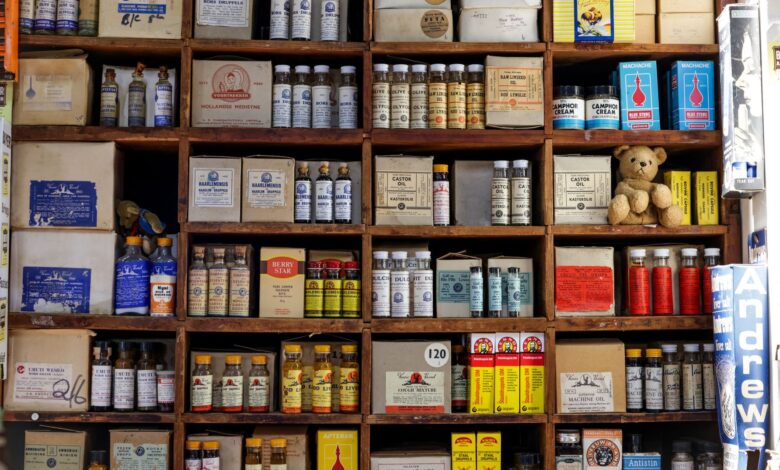
Regional compounding pharmacies that rushed into the GLP-1 market during the semaglutide and tirzepatide shortage era are now pulling back – quietly, and with little public explanation. The exit is not dramatic, but the pattern is consistent enough across multiple states to signal something structural happening beneath the surface of the weight-loss drug economy.
Why Compounders Got In – And Why That Logic Has Reversed
When the FDA placed semaglutide (the active ingredient in Ozempic and Wegovy) and tirzepatide (Mounjaro, Zepbound) on its official drug shortage list, compounding pharmacies gained a legal opening. Under federal rules, licensed compounders can produce copies of drugs that are in shortage, giving patients an alternative when brand-name supply runs short. For regional pharmacies with sterile compounding capabilities, this was a rare moment where regulatory conditions and consumer demand aligned perfectly.
The margins were generous. Compounded semaglutide injections were priced at a fraction of the brand-name cost – sometimes hundreds of dollars versus the brand’s list price of over a thousand per month – yet the production cost was low enough to make the business attractive. Telehealth platforms partnered with these pharmacies to build streamlined pipelines: patients filled out a form, a physician-of-record signed off, and a vial arrived in the mail within days. For a regional pharmacy accustomed to thin margins on generic prescriptions, GLP-1 compounding looked like a growth engine.
That window is closing. The FDA removed tirzepatide from the shortage list in late 2024, and semaglutide followed in early 2025. With the shortage designation gone, the legal basis for compounding these specific molecules evaporates. The FDA has made clear that continued compounding of these drugs – outside of very narrow patient-specific exemptions – is no longer compliant. Enforcement letters have gone out. Lawsuits between brand manufacturers and compounding trade groups are working through federal courts. And caught in the middle are the regional pharmacies that built real infrastructure around a market that is now being legally dismantled.
The decision to exit is rarely announced. A pharmacy updates its website, removes the GLP-1 product page, and sends existing patients a discontinuation notice. Staff hired specifically for the compounding operation get reassigned or let go. The whole process takes a few weeks, and most patients only learn about it when they go to reorder.
The Operational Reality of Winding Down
Exiting a compounding operation is not as simple as stopping production. Regional pharmacies that scaled into GLP-1 compounding typically made capital investments in sterile cleanroom infrastructure, purchased raw active pharmaceutical ingredients (APIs) in bulk, and hired pharmacists with specific sterile compounding credentials. Those costs do not disappear when the product line does. A pharmacy sitting on a six-month supply of bulk semaglutide API now has a raw material it cannot legally use for the purpose it was purchased, and finding a compliant path to disposing of or redirecting that inventory is a genuine operational headache.
There is also the patient relationship problem. Many patients who turned to compounded GLP-1s did so because they could not afford the brand-name version, could not get insurance coverage, or could not access the medication in their area during peak shortage. These are not casual customers – they are people managing obesity, Type 2 diabetes, or cardiovascular risk, often under ongoing clinical supervision. When a regional compounder exits, those patients do not automatically have somewhere to go. Some will pivot to telehealth platforms that have relationships with larger, 503B outsourcing facilities – which operate under stricter FDA oversight and can legally supply compounded drugs to healthcare providers at scale. Others will simply fall off treatment.
The 503B outsourcing facility distinction matters here. These are not the same as the regional 503A compounding pharmacies doing patient-specific fills. 503B facilities are registered with the FDA, subject to Current Good Manufacturing Practice (CGMP) standards, and can produce drugs in bulk for distribution. Some of the larger players in the compounded GLP-1 space operate as or through 503B facilities, and they are fighting the FDA’s shortage removal through litigation. Regional 503A pharmacies generally do not have the legal standing or financial resources to sustain that fight, which is one reason they are the first to exit.
The telehealth platforms that built their business models around compounded GLP-1 access are scrambling to adjust. Some are pivoting to oral semaglutide formulations, which occupy different regulatory territory. Others are negotiating manufacturer savings programs or exploring international supply chains for patients who want to continue medication. A growing number are simply redirecting patients toward brand-name prescriptions and hoping insurance coverage or manufacturer discount programs close the affordability gap – a gap that remains wide for most patients without employer-sponsored coverage that includes GLP-1s.
What makes this exit pattern worth watching is how it mirrors other consolidation stories playing out in regional healthcare services. When regulatory or margin conditions shift, smaller regional operators tend to exit first while larger or better-capitalized competitors either adapt or acquire. The GLP-1 compounding space is likely to follow that same arc – concentration among a few large players with real regulatory infrastructure, and a long tail of smaller operators who got in fast and are now getting out the same way.
What Comes Next for Patients and Regulators

The FDA’s position has been consistent: once a drug is no longer in shortage, compounding it at scale is not permissible under existing law, regardless of affordability arguments. That stance leaves a significant population of patients who relied on compounded access in a difficult position. Brand-name GLP-1 drugs remain among the most expensive outpatient medications in the United States, and insurance coverage is uneven – employer plans, Medicare Part D rules, and state Medicaid programs all treat these drugs differently. The affordability gap that made compounding attractive has not closed; the legal pathway to addressing it has simply been narrowed.
Congressional attention to GLP-1 pricing and access is increasing, and manufacturer patient assistance programs exist, but neither operates at the speed or scale needed to absorb patients currently being displaced by compounding pharmacy exits. The question of whether a larger federal response – price negotiation, coverage mandates, or expanded shortage designations – arrives before patient dropout rates become a measurable public health problem is one that pharmacy operators, telehealth companies, and patient advocates are all watching closely.
Frequently Asked Questions
Why are compounding pharmacies stopping GLP-1 production?
The FDA removed semaglutide and tirzepatide from its official drug shortage list, eliminating the legal basis for most compounding pharmacies to produce these drugs at scale.
What options do patients have if their compounding pharmacy stops GLP-1 services?
Patients may transition to brand-name versions through manufacturer discount programs, seek 503B outsourcing facilities, or work with telehealth platforms exploring alternative formulations.