
TikTok’s shopping revolution is happening faster than most retailers anticipated. The platform’s commerce features have transformed from experimental add-ons to serious threats to established e-commerce giants, particularly Amazon. What started as dance videos and viral challenges has evolved into a sophisticated shopping ecosystem that’s reshaping how consumers discover and purchase products online.
The numbers tell a compelling story. TikTok Shop, launched in the United States in September 2023, processed over $16 billion in gross merchandise value globally in 2023. Meanwhile, Amazon’s growth rate has slowed to single digits in recent quarters, signaling a potential shift in e-commerce dynamics that many industry observers didn’t see coming.
This disruption isn’t just about another shopping app entering the market. TikTok has fundamentally changed the discovery process, turning passive browsing into active engagement through short-form video content that seamlessly integrates product demonstrations, reviews, and purchase options. The platform has created an entirely new category of commerce that blends entertainment with shopping in ways that traditional e-commerce sites struggle to replicate.
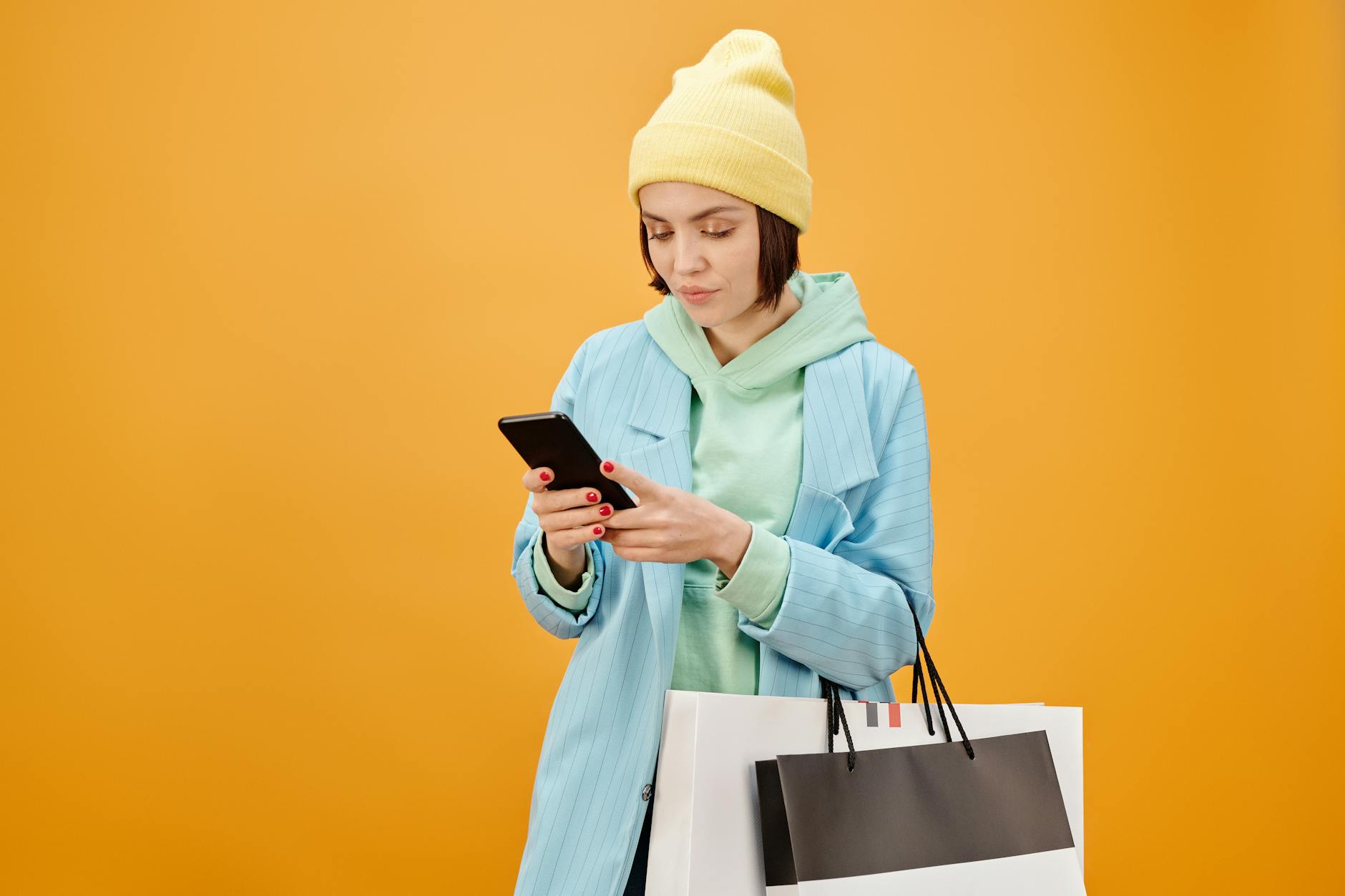
The Entertainment-Commerce Fusion Model
TikTok’s approach to e-commerce differs fundamentally from Amazon’s search-based model. While Amazon users typically arrive knowing what they want to buy, TikTok creates desire through discovery. Users scroll through their “For You” page and encounter products naturally woven into entertaining content, from makeup tutorials featuring specific brands to cooking videos showcasing kitchen gadgets.
This entertainment-first approach has proven remarkably effective at driving impulse purchases. Creator partnerships and affiliate programs incentivize influencers to seamlessly integrate products into their content, creating authentic-feeling advertisements that don’t feel like traditional marketing. The platform’s algorithm ensures these product showcases reach users most likely to be interested, creating a highly targeted yet organic-feeling shopping experience.
The live shopping feature has become particularly powerful, allowing creators to demonstrate products in real-time while viewers can purchase instantly. This format combines the immediacy of live television shopping with the interactivity of social media, creating urgency and social proof that traditional e-commerce struggles to match.
TikTok Shop’s integration with the main app eliminates friction points that plague other platforms. Users don’t need to leave the app or remember to visit a separate shopping site later. The entire purchase journey happens within the same interface where they’re already engaged and entertained.
Targeting Amazon’s Vulnerable Demographics
Amazon built its dominance on convenience and selection, but TikTok has identified and exploited several demographic blind spots in Amazon’s strategy. Younger consumers, particularly Gen Z shoppers, increasingly prefer discovery-driven shopping over search-based purchasing. They want to see products in action, understand how they fit into lifestyle contexts, and receive recommendations from trusted creators rather than anonymous reviews.
The platform has also captured significant market share in beauty, fashion, and lifestyle categories where visual demonstration provides clear advantages over static product photos and text descriptions. These categories represent some of Amazon’s most profitable segments, making TikTok’s inroads particularly concerning for the e-commerce giant.
International expansion has given TikTok additional advantages in reaching diverse consumer segments. The platform’s success in Southeast Asian markets demonstrated the global appeal of social commerce, and this experience has informed its U.S. strategy. Amazon’s more traditional approach has sometimes struggled to adapt to local shopping preferences in international markets.
Small and medium-sized businesses have found TikTok Shop particularly attractive due to lower barriers to entry and built-in discovery mechanisms. Unlike Amazon, where new sellers often struggle with visibility and compete primarily on price, TikTok allows smaller brands to gain traction through creative content and influencer partnerships. This has created a more diverse marketplace that appeals to consumers seeking unique or specialized products.
Technical Infrastructure and Fulfillment Challenges
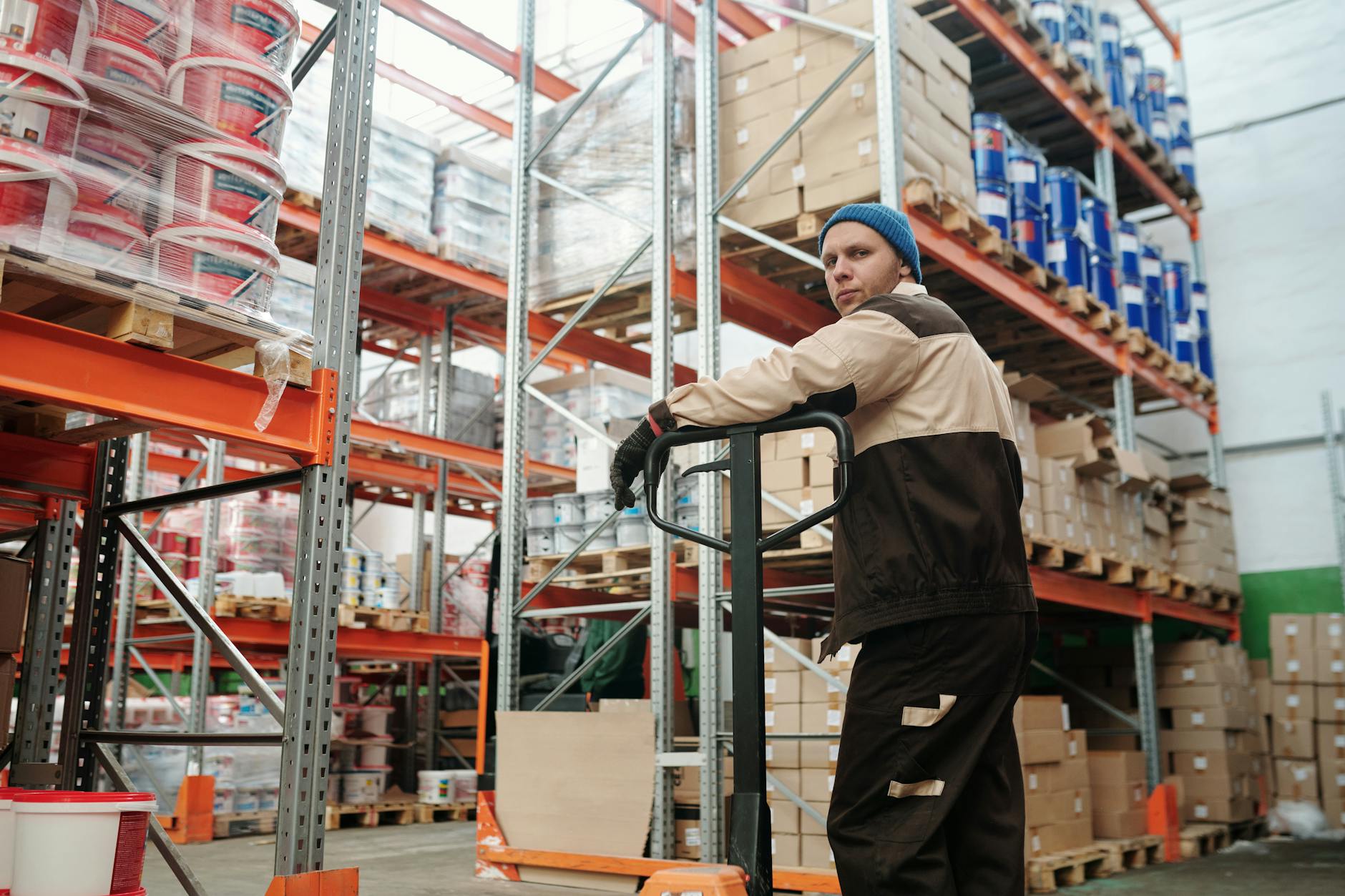
Despite its content advantages, TikTok faces significant infrastructure hurdles in competing with Amazon’s decade-plus investment in logistics and fulfillment. Amazon’s Prime delivery network, with same-day and next-day options in major markets, remains unmatched in speed and reliability. TikTok Shop currently relies on third-party logistics providers and individual sellers for fulfillment, creating inconsistent delivery experiences.
The platform has responded by partnering with established logistics companies and implementing seller standards, but building the infrastructure to match Amazon’s capabilities requires massive capital investment and years of development. This represents TikTok’s most significant competitive disadvantage in the e-commerce space.
Customer service presents another challenge. Amazon’s comprehensive return policy and customer support infrastructure have built consumer trust over decades. TikTok Shop users often deal directly with individual sellers for returns and issues, creating potential friction points that could limit long-term growth.
Data integration between TikTok’s entertainment algorithm and commerce recommendations continues evolving. While the platform excels at showing users engaging content, translating viewing behavior into accurate purchase predictions requires sophisticated machine learning that Amazon has refined over years. TikTok’s approach shows promise but lacks the depth of purchase history and customer behavior data that informs Amazon’s recommendations.
Market Response and Future Implications
Amazon hasn’t remained passive in the face of TikTok’s challenge. The company has experimented with short-form video content through Amazon Posts and influencer partnerships, though these efforts feel forced compared to TikTok’s native integration of entertainment and commerce. Amazon’s recent emphasis on livestreaming and creator content suggests recognition of the threat posed by social commerce.
The broader retail industry is taking notice of this shift in consumer behavior, much like how remote learning technology adoption changed educational markets in unexpected ways. Traditional retailers from Target to Walmart have launched their own social shopping initiatives, while platforms like Instagram and YouTube have expanded their commerce features to compete for the same audience.
Regulatory concerns continue to loom over TikTok’s U.S. operations, potentially limiting the platform’s ability to fully capitalize on its e-commerce momentum. These uncertainties could provide Amazon with breathing room to develop more competitive social commerce features while TikTok navigates political challenges.

The generational shift in shopping preferences suggests TikTok’s impact will likely grow rather than diminish. Consumers who discover products through social media content expect seamless purchase integration, personalized recommendations based on their interests, and authentic product demonstrations from trusted creators. Traditional e-commerce sites that fail to adapt to these expectations risk losing market share to more engaging alternatives.
Looking ahead, the competition between TikTok and Amazon represents more than a battle between two platforms – it’s a fundamental shift in how consumers interact with e-commerce. The winner won’t necessarily be the company with the best logistics or the most products, but the one that best understands and serves evolving consumer preferences for discovery, entertainment, and authentic product experiences. As this transformation continues, both platforms will need to evolve rapidly to maintain relevance in an increasingly dynamic digital marketplace.
Frequently Asked Questions
How does TikTok Shop differ from Amazon’s shopping model?
TikTok uses entertainment-first discovery through video content, while Amazon relies on search-based shopping with static product listings.
What are TikTok’s biggest challenges in competing with Amazon?
TikTok lacks Amazon’s logistics infrastructure and fulfillment network, creating inconsistent delivery experiences for customers.