
Social media shopping hit a tipping point when TikTok Shop launched its full integration across the platform, transforming casual scrolling into instant purchasing opportunities. The feature, which allows users to buy products directly within the app without leaving their video feeds, has fundamentally altered how brands approach digital marketing and how consumers discover new products.
The numbers tell the story of this seismic shift. TikTok Shop reportedly generated over $20 billion in gross merchandise value globally in 2023, with the United States market showing particularly explosive growth since the feature’s full rollout. This integration has created a new category of commerce that blends entertainment with instant gratification, challenging traditional e-commerce platforms and forcing established social media giants to rethink their strategies.

The Creator Economy Gets a Revenue Boost
TikTok Shop has unleashed a new wave of entrepreneurship among content creators, who can now monetize their audiences more directly than ever before. Influencers with followings ranging from thousands to millions are partnering with brands to showcase products in their videos, earning commissions on sales generated through their content.
The live shopping feature has proven particularly effective, with creators hosting real-time product demonstrations that drive immediate purchases. Beauty influencers demonstrate makeup techniques while viewers buy the exact products being used. Home organization experts showcase storage solutions that sell out within hours of their streams going live.
This shift has democratized retail in ways that weren’t possible on traditional social platforms. Small business owners are finding success selling handmade jewelry, vintage clothing, and niche products directly to TikTok’s young, engaged audience. The algorithm’s ability to surface products to interested users has eliminated many of the barriers that previously required significant advertising budgets to overcome.
Traditional Retailers Scramble to Adapt
Major brands are rapidly restructuring their social media strategies to capitalize on TikTok Shop’s potential. Companies that previously treated social media as a brand awareness tool are now viewing it as a primary sales channel. Fashion retailers like Zara and H&M have launched TikTok-specific product lines, while beauty giants such as Sephora and Ulta have created creator partnership programs tailored to the platform’s unique culture.
The integration has also sparked innovation in product development. Brands are creating items specifically designed to perform well in TikTok’s short-form video format – products that photograph well under various lighting conditions, demonstrate clear before-and-after results, or solve problems that can be explained in under 60 seconds.
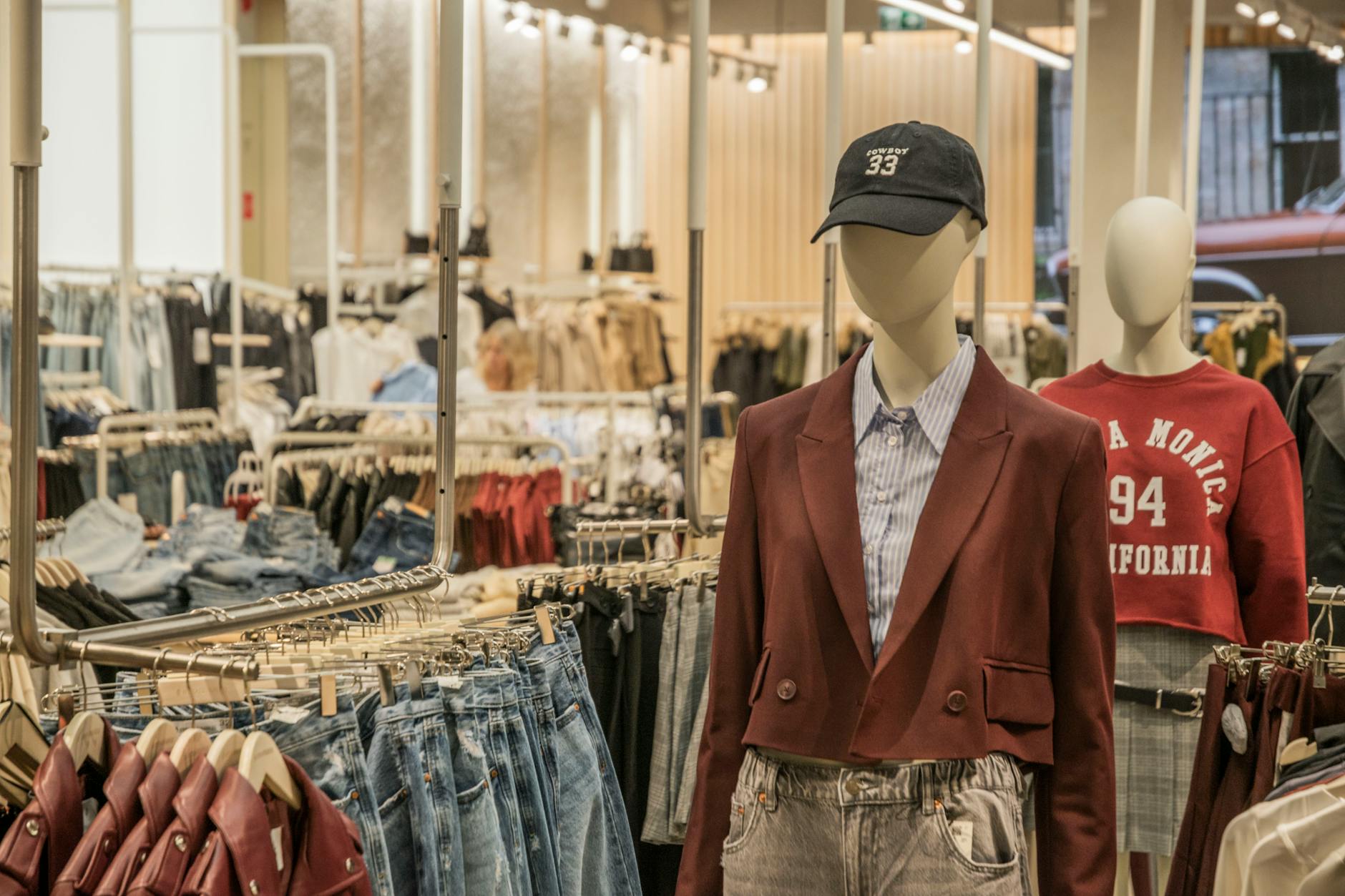
Walmart and Target have established significant presences on TikTok Shop, recognizing that younger consumers increasingly discover products through social media rather than traditional retail websites. These retailers are partnering with micro-influencers to showcase everyday products in authentic contexts, moving away from polished advertising toward content that feels more like peer recommendations.
The Psychology of Impulse Buying Gets Digital
TikTok Shop capitalizes on the psychological triggers that drive impulse purchases, but in a digital environment that operates 24/7. The seamless integration means users can buy products in the moment of peak interest, without the friction that typically allows second thoughts to creep in.
The platform’s algorithm learns from purchasing behavior, creating increasingly personalized shopping experiences. Users find themselves seeing products that align with their interests, recent searches, and even items similar to what their friends have purchased. This creates a feedback loop where engagement with shopping content leads to more shopping content, gradually transforming entertainment consumption into shopping discovery.
Consumer behavior experts note that TikTok Shop’s success stems from its ability to combine social proof, entertainment value, and instant gratification. When users see products being used by relatable creators, demonstrated in real-world contexts, the psychological barriers to purchase diminish significantly compared to traditional product listings.
Global Implications and Competition Response
The success of TikTok Shop has triggered a competitive response across the social media landscape. Instagram has expanded its shopping features, YouTube is testing new commerce integrations, and even LinkedIn is exploring professional product sales. The race to capture social commerce revenue is reshaping how these platforms balance user experience with monetization opportunities.

International markets are seeing varied adoption rates based on local shopping habits and payment infrastructure. In Southeast Asia, where social commerce was already established, TikTok Shop has accelerated existing trends. In European markets, regulatory considerations around data privacy and consumer protection are shaping how the feature rolls out.
The integration has also raised questions about market concentration and fair competition. Small businesses celebrate the democratized access to consumers, while some traditional retailers worry about the platform’s growing influence over shopping behavior. Regulatory bodies are beginning to examine how social media companies’ expanding commerce capabilities might affect market dynamics.
Looking ahead, TikTok Shop’s integration represents just the beginning of social commerce evolution. As augmented reality technology improves and artificial intelligence becomes more sophisticated, the line between entertainment and shopping will likely continue to blur. The success of this integration suggests that future social media platforms will be designed from the ground up with commerce capabilities, making shopping an integral part of social interaction rather than an add-on feature. This transformation signals a fundamental shift in how digital natives approach both entertainment and consumption, with implications that will ripple through retail, marketing, and technology sectors for years to come.
Frequently Asked Questions
How does TikTok Shop work for buyers?
Users can purchase products directly within the app while watching videos, without leaving the platform or switching to external websites.
Can small businesses use TikTok Shop effectively?
Yes, TikTok Shop has democratized retail access, allowing small businesses to reach engaged audiences through creator partnerships and direct product showcases.