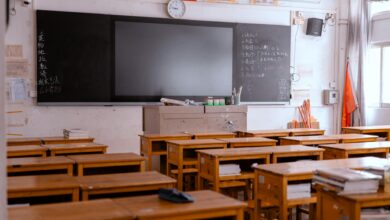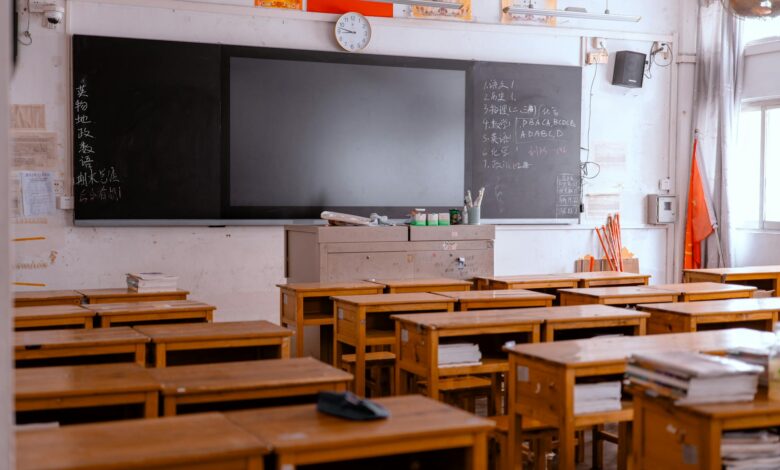
When the morning bell rings at Jackson Elementary in rural Ohio, third-graders often find themselves face-to-face with a substitute teacher who has never set foot in a classroom before. Yesterday’s Uber driver becomes today’s math instructor. Last week’s retail clerk now manages a kindergarten class of 24 five-year-olds.
This scenario plays out daily across American schools as an unprecedented teacher shortage forces districts into desperate hiring decisions. With over 300,000 teaching positions unfilled nationwide, administrators increasingly turn to warm bodies rather than qualified educators just to keep classroom doors open.
The crisis extends far beyond temporary inconvenience. Students lose months of learning progress, parents scramble for childcare alternatives, and remaining teachers burn out from covering multiple classes. What started as a pandemic-era staffing challenge has evolved into a structural breakdown threatening public education’s foundation.
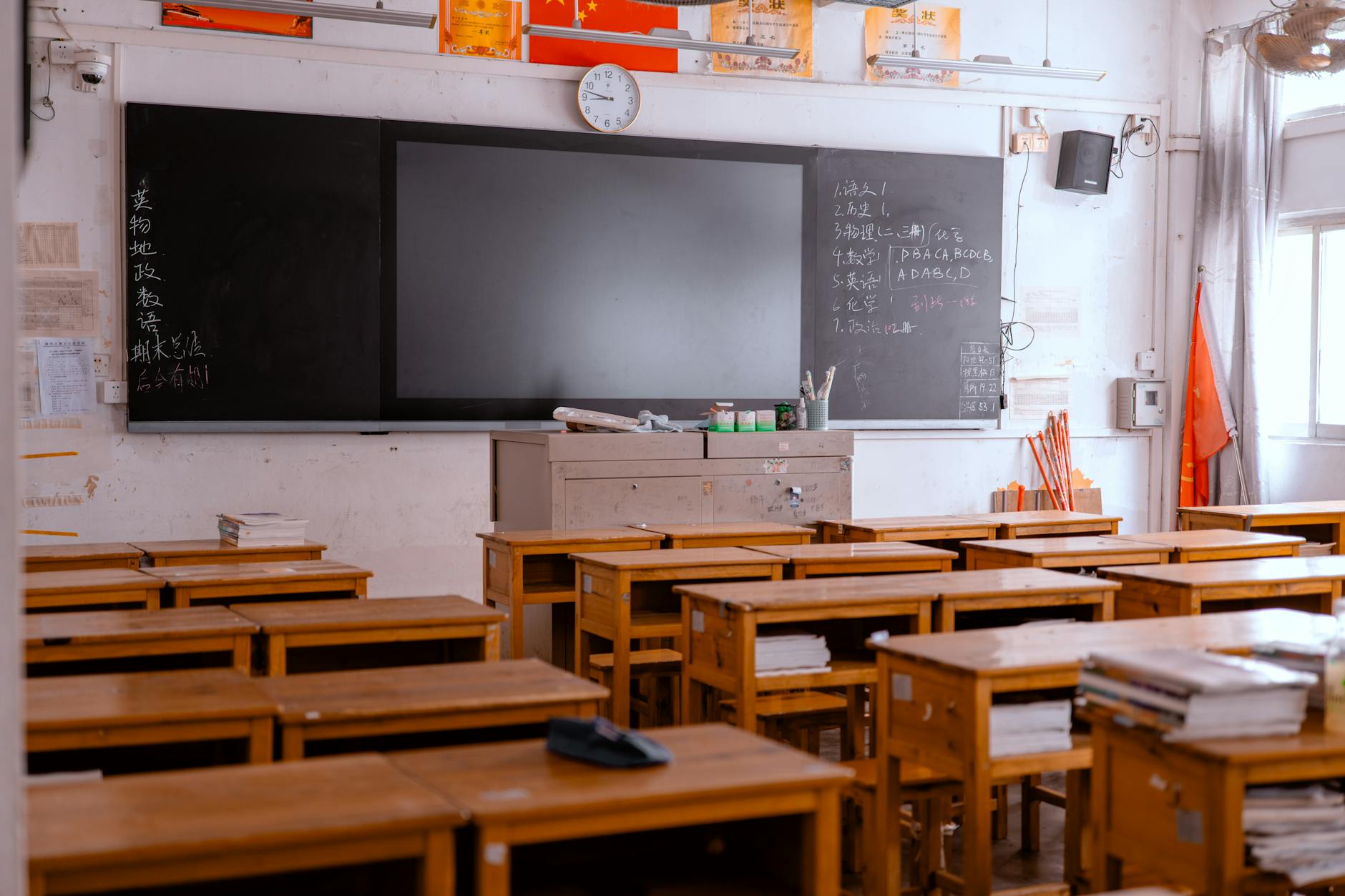
Emergency Credentials Become the Norm
School districts nationwide have slashed qualification requirements to fill empty classrooms. Florida now allows military veterans to teach without college degrees. Arizona permits anyone with a bachelor’s degree in any field to lead a classroom immediately. Texas has streamlined its alternative certification process to take just weeks instead of months.
“We’re basically putting anyone willing to show up in front of kids,” admits Maria Rodriguez, superintendent of Desert Valley School District in Phoenix. Her district hired 47 emergency substitutes this fall, including former restaurant managers, retired factory workers, and recent college graduates with degrees in unrelated fields.
The numbers tell a stark story. The National Education Association reports that substitute teacher applications dropped 67% since 2020, while demand increased 25%. Districts that once required teaching credentials, classroom experience, and background checks now accept anyone passing a basic screening.
Emergency teaching certificates, once reserved for extreme circumstances, have become standard practice. California issued over 12,000 emergency permits last year – triple the pre-pandemic number. These provisional licenses allow uncredentialed individuals to teach full-time while supposedly working toward proper certification.
Many never complete the requirements. Data from the Education Trust shows that only 34% of emergency certificate holders earn full teaching credentials within three years. The rest cycle through schools, leaving chaos in their wake.
Classroom Chaos and Learning Loss
Inside these understaffed classrooms, educational quality plummets. Unqualified substitutes often resort to showing movies, assigning busy work, or simply supervising study hall. Advanced lesson plans become impossible when teachers lack subject matter knowledge or classroom management skills.
Jennifer Walsh, a fourth-grade teacher in Detroit, describes covering three classes simultaneously when substitutes don’t show up. “I had 78 kids in the gymnasium yesterday, trying to teach fractions while maintaining basic order,” she says. “These aren’t learning environments anymore.”
Student behavior deteriorates predictably. Inexperienced substitutes struggle with discipline, creating environments where learning becomes secondary to crowd control. Test scores reflect the impact – districts with the highest substitute usage report reading and math proficiency drops of 15-20% compared to pre-pandemic levels.
Parents increasingly pull children from public schools or demand refunds for days with inadequate instruction. Sarah Chen, whose daughter attends Roosevelt Middle School in Sacramento, calculates her child received “actual teaching” only three days out of ten last month.
Special education students suffer most severely. Federal law requires trained personnel for students with disabilities, but schools routinely place unqualified substitutes in these specialized roles. Lawsuits are mounting as parents document regression in their children’s therapeutic and academic progress.
The ripple effects extend to qualified teachers, who face impossible workloads covering for absent colleagues. Burnout accelerates as experienced educators quit rather than manage multiple classrooms indefinitely. This creates a vicious cycle where teacher shortages worsen existing staffing problems.
Root Causes of the Staffing Crisis
Multiple factors converge to create today’s teacher shortage. Low pay remains paramount – the average teacher salary of $65,000 hasn’t kept pace with inflation or comparable professions requiring similar education levels. Many districts offer substitute teachers just $80-120 per day without benefits.
Political attacks on education intensify the problem. Teachers face increased scrutiny over curriculum content, book selections, and classroom discussions. Social media campaigns target individual educators, while state legislatures pass laws restricting teaching topics. Many qualified professionals choose careers with less public controversy.
Working conditions deteriorate as school funding stagnates. Teachers purchase supplies with personal money, manage overcrowded classrooms, and handle increasing behavioral problems with minimal support. The profession that once attracted idealistic college graduates now struggles to retain even veteran educators.
The pandemic accelerated existing trends rather than creating new problems. Teacher retirement rates doubled in 2021-2022 as older educators opted for early exit rather than navigate constant disruption. Younger teachers, facing student loan debt and housing costs, discover they cannot afford to remain in the profession.
Alternative careers offer better compensation and working conditions. Technology companies, healthcare systems, and private businesses actively recruit former teachers with competitive salaries and professional respect. A former chemistry teacher can earn $40,000 more annually in pharmaceutical sales while avoiding evening parent conferences and weekend grading.
Band-Aid Solutions and Long-Term Consequences
Districts implement increasingly creative but problematic solutions. Some consolidate classes into auditoriums with single teachers managing hundreds of students via microphone. Others switch to four-day school weeks, officially due to budget constraints but actually because they cannot staff five full days.
Technology becomes a crutch rather than enhancement. Students watch pre-recorded lessons on tablets while unqualified adults provide supervision. Online learning platforms substitute for actual instruction, though research consistently shows remote learning produces inferior academic outcomes for most students.
Some schools hire college students as full-time teachers, reasoning that recent graduates possess current knowledge even without pedagogical training. This approach ignores decades of research showing that content knowledge alone doesn’t create effective instruction.
The long-term implications extend beyond immediate learning loss. Students experiencing chaotic school years develop negative associations with education that persist throughout life. Achievement gaps widen as affluent families seek private alternatives while low-income students remain trapped in dysfunctional systems.
Future teacher recruitment becomes nearly impossible when current students witness educational chaos firsthand. High schoolers once inspired by favorite teachers now observe burned-out educators managing crisis situations rather than inspiring learning.
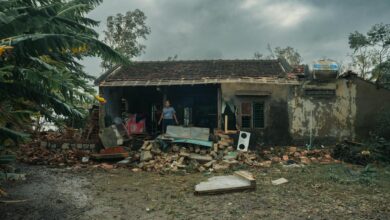
Looking ahead, the teacher shortage shows no signs of improvement without fundamental changes to compensation, working conditions, and public support for education. As extreme weather events further disrupt school calendars, staffing challenges will only intensify.
The choice facing communities is stark: invest seriously in education through competitive teacher pay and improved working conditions, or accept that public schools will continue deteriorating into custodial institutions rather than centers of learning. Current band-aid solutions postpone rather than solve the crisis, ensuring that today’s staffing shortcuts become tomorrow’s educational disasters.
Frequently Asked Questions
How severe is the current teacher shortage?
Over 300,000 teaching positions remain unfilled nationwide, with substitute applications dropping 67% since 2020.
What qualifications do emergency substitutes need?
Requirements vary by state, but many districts now hire anyone with basic background checks and minimal screening.