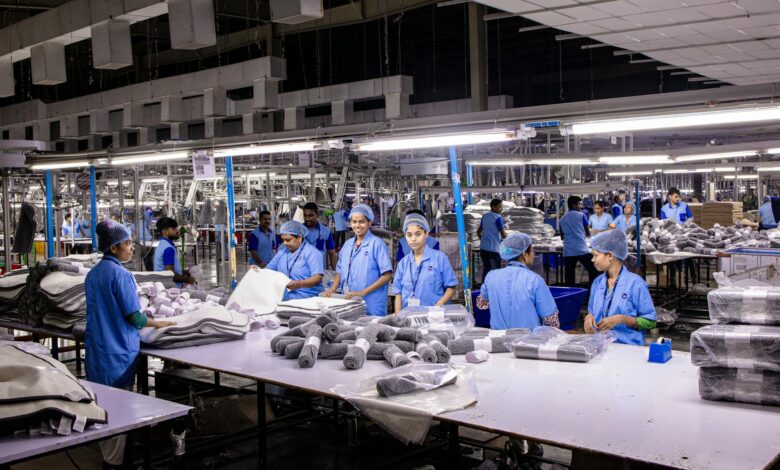
Supply chains stretched to breaking points during the pandemic haven’t simply snapped back to normal. Instead, they’ve fundamentally altered how manufacturers think about production locations, pushing companies to abandon decades of offshore manufacturing in favor of bringing operations closer to home.
The reshoring wave represents more than a temporary adjustment to pandemic disruptions. Major manufacturers across industries are discovering that the cost savings from overseas production often evaporate when supply chains fail, delivery delays mount, and quality control becomes nearly impossible from thousands of miles away.
General Electric announced plans to move appliance production from China back to Louisville, Kentucky, while Ford has committed to building electric vehicle batteries domestically rather than relying on Asian suppliers. These moves signal a broader strategic shift that’s reshaping American manufacturing.
Rising Costs Make Overseas Production Less Attractive
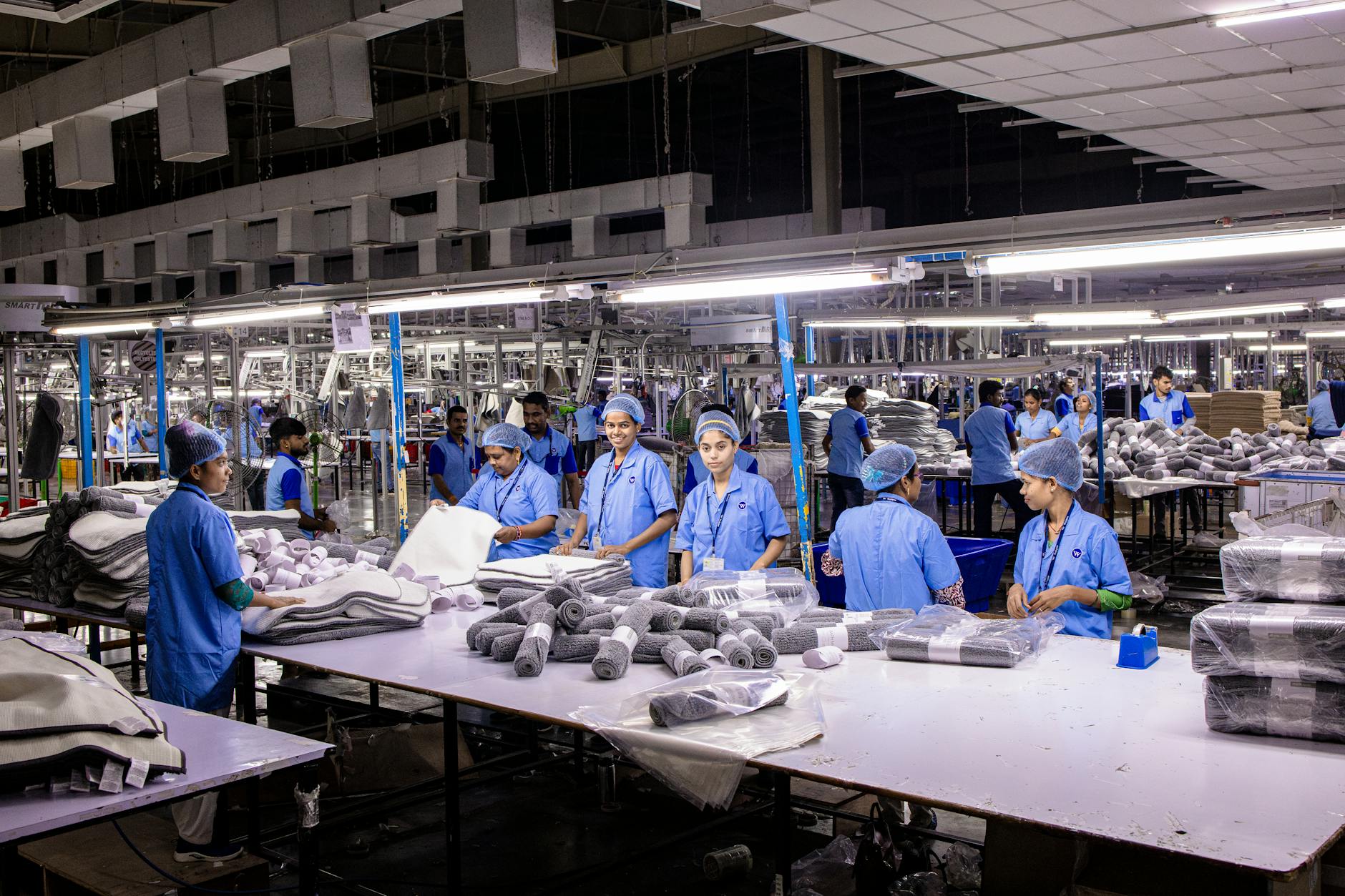
Labor costs in traditional manufacturing hubs have climbed dramatically over the past decade. Wages in China’s manufacturing sectors have increased by more than 60% since 2010, while shipping costs have tripled in some cases. When companies factor in quality control issues, intellectual property risks, and transportation delays, the economic advantages of offshore production begin to disappear.
Caterpillar provides a telling example. The heavy equipment manufacturer moved production of small tractors back to the United States after discovering that the total cost of overseas manufacturing – including shipping delays, quality corrections, and inventory management – exceeded domestic production costs by nearly 15%.
Energy costs also favor domestic production in many sectors. Natural gas prices in the United States remain significantly lower than in Europe and Asia, giving American manufacturers a substantial advantage in energy-intensive industries like chemicals and steel production. Companies like Dow Chemical have expanded domestic operations specifically to capitalize on this energy cost differential.
Currency fluctuations add another layer of uncertainty to overseas manufacturing. When the dollar strengthens against foreign currencies, imports become cheaper – but when it weakens, manufacturers face sudden cost increases that can eliminate profit margins overnight.
Technology Enables Domestic Manufacturing
Advanced manufacturing technologies are making domestic production economically viable in ways that weren’t possible even five years ago. Automation, artificial intelligence, and robotics have reduced the labor cost advantages that once made overseas production essential for many manufacturers.
Tesla’s Gigafactory in Nevada demonstrates how modern manufacturing can compete with traditional low-cost production. The facility uses advanced robotics and artificial intelligence to achieve production efficiency levels that make domestic manufacturing cost-competitive with overseas alternatives, while maintaining much tighter quality control and faster response times to market changes.
3D printing and additive manufacturing technologies allow companies to produce complex components domestically without the massive tooling investments traditionally required for manufacturing. Aerospace companies like Boeing use these technologies to produce specialized parts that would previously have required overseas suppliers with specific manufacturing capabilities.
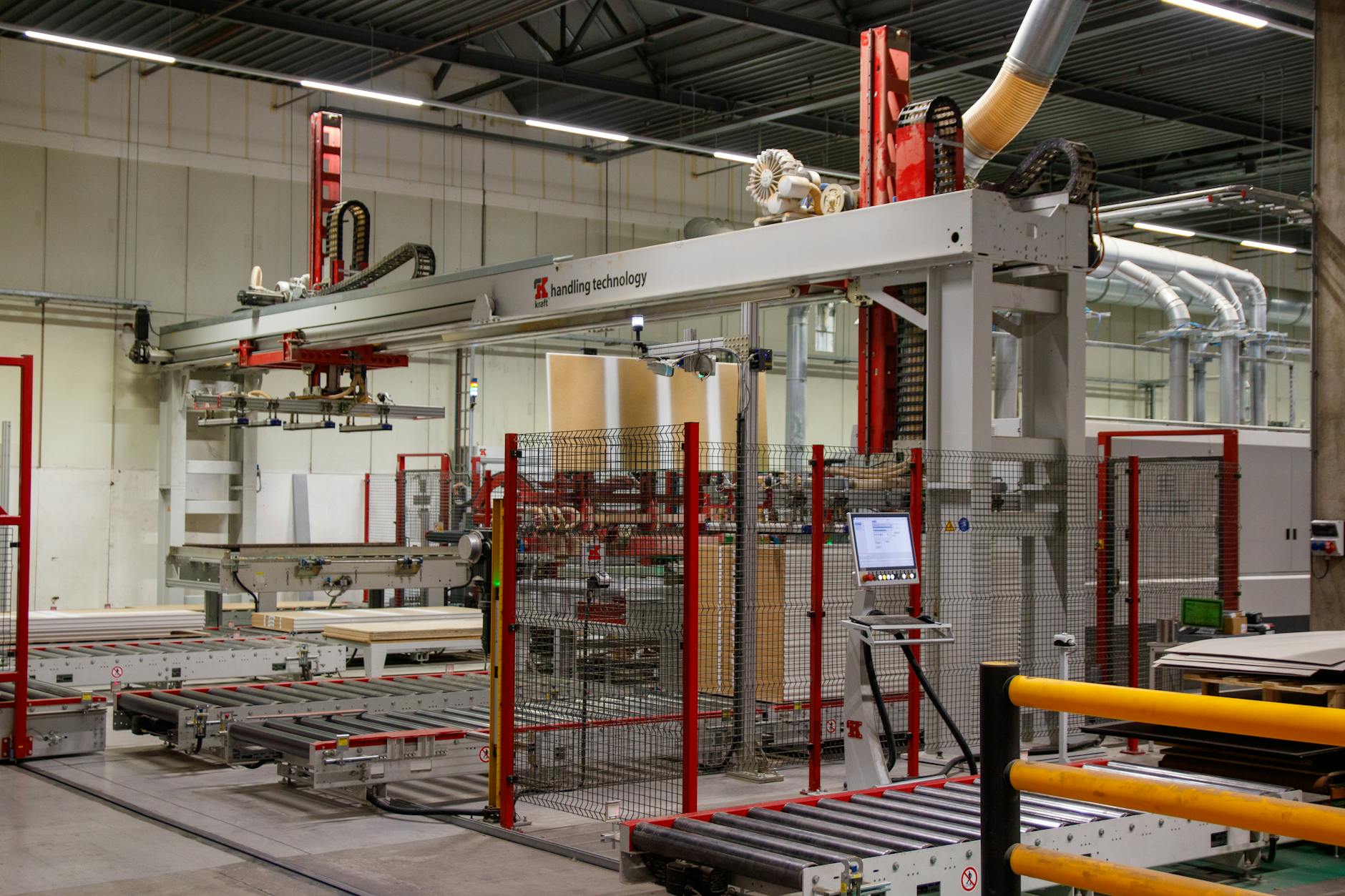
Software-driven manufacturing systems enable smaller production runs and more customized products, reducing the need for massive-scale overseas production facilities. This flexibility proves especially valuable in industries where consumer preferences change rapidly or where products require frequent updates and modifications.
Supply Chain Resilience Becomes Strategic Priority
The pandemic exposed critical vulnerabilities in extended global supply chains that many executives had never fully understood. When a single factory closure in Malaysia could shut down automotive production in Detroit, companies realized they had traded resilience for cost savings in ways that ultimately proved expensive.
Pharmaceutical companies learned this lesson particularly hard. Generic drug shortages affected hospitals nationwide when manufacturing disruptions occurred in India and China, leading companies like Pfizer to invest heavily in domestic production capabilities for essential medications.
Semiconductor shortages that crippled automotive production for months highlighted the risks of concentration in specific geographic regions. Intel announced a $20 billion investment in domestic chip production facilities, while other companies are diversifying their supplier bases to include more domestic options.
Just-in-time inventory management, once considered the pinnacle of efficiency, proved fragile when disruptions occurred. Many manufacturers are now building buffer inventory and redundant supplier relationships, even though this increases costs in the short term. The long-term benefits of supply chain resilience outweigh the immediate expense increases.
Companies are also discovering that closer supplier relationships enable better quality control and faster product development cycles. When engineers can visit manufacturing facilities within a few hours’ drive rather than requiring international travel, problem-solving becomes faster and more effective.
Government Incentives Accelerate the Shift
Federal and state governments have introduced significant incentives to encourage domestic manufacturing. The CHIPS and Science Act provides $52 billion in subsidies for semiconductor manufacturing, while various tax incentives support companies that bring production back to the United States.
State governments compete aggressively for manufacturing investments, offering tax breaks, infrastructure improvements, and workforce training programs. North Carolina successfully attracted Toyota’s battery manufacturing facility with a comprehensive incentive package that made domestic production more attractive than overseas alternatives.
Trade policy uncertainty also pushes companies toward domestic production. Tariff policies can change rapidly, making it difficult for companies to predict the true costs of overseas manufacturing. Domestic production provides more predictable cost structures and eliminates the risk of sudden tariff increases.
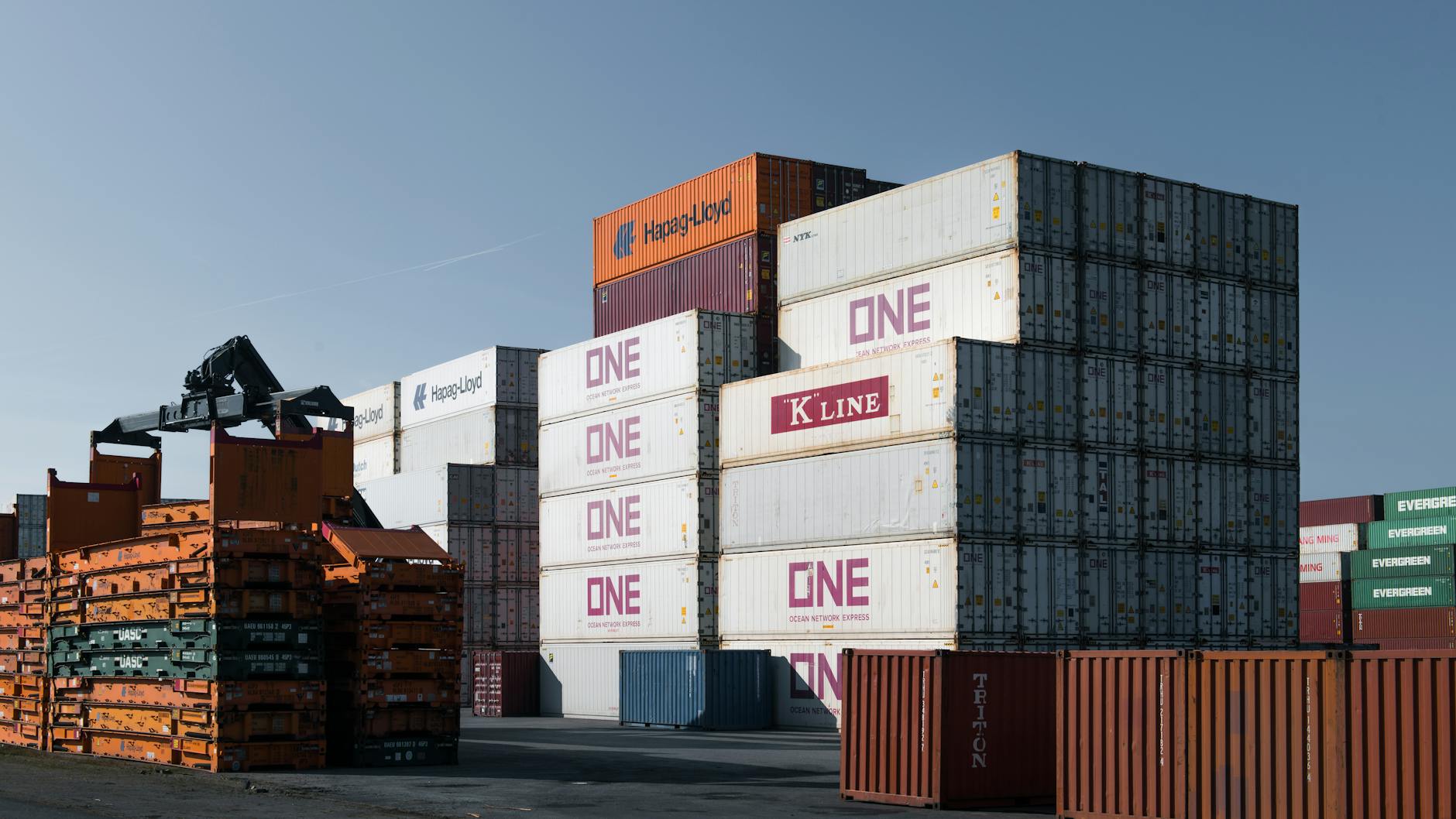
The Infrastructure Investment and Jobs Act promises improvements to transportation networks, ports, and broadband connectivity that will reduce some of the logistical challenges that previously favored overseas production. Better infrastructure makes domestic manufacturing more competitive by reducing transportation costs and improving supply chain reliability.
Looking Forward: The New Manufacturing Landscape
Reshoring doesn’t mean a complete abandonment of global supply chains, but rather a more strategic approach to balancing cost, risk, and resilience. Companies are likely to maintain overseas production for certain products while bringing critical components and final assembly closer to major markets.
The trend toward regionalization rather than globalization seems likely to continue. Rather than single global supply chains, manufacturers are building regional networks that can serve major markets independently. This approach provides many of the cost benefits of global production while reducing the risks associated with extended supply chains.
Workforce development will prove crucial for sustained reshoring success. Many of the manufacturing jobs returning to the United States require different skills than traditional manufacturing positions, emphasizing technical capabilities and advanced equipment operation rather than manual assembly work.
Environmental considerations may also accelerate reshoring trends. Transportation emissions from global supply chains face increasing scrutiny, while domestic production can more easily meet environmental standards and sustainability goals that consumers and regulators increasingly demand.
The reshoring movement represents more than a temporary response to recent disruptions – it signals a fundamental reassessment of how modern manufacturing should balance efficiency, resilience, and strategic control in an increasingly uncertain world.
Frequently Asked Questions
Why are manufacturers moving production back to the US?
Rising overseas costs, supply chain vulnerabilities, and new technologies make domestic production increasingly competitive and more resilient.
What industries are reshoring production most actively?
Automotive, pharmaceuticals, electronics, and heavy equipment manufacturers are leading the reshoring trend across multiple sectors.