
A cardboard box arrives at your door every month, filled with carefully curated products you never knew you needed. What started as a novelty with services like Birchbox has exploded into a $15 billion industry that’s fundamentally reshaping how consumers shop and how retailers think about customer relationships.
The subscription box model has moved far beyond beauty samples and snack foods. Today’s subscription economy spans everything from pet supplies and coffee to automotive parts and business software. Companies like Dollar Shave Club, which Unilever acquired for $1 billion, proved that subscription services could disrupt even the most entrenched retail categories. This shift represents more than convenience – it’s forcing traditional retailers to rethink inventory management, customer acquisition, and brand loyalty in ways that seemed impossible just a decade ago.
The transformation isn’t just about monthly deliveries. Subscription boxes have introduced predictable revenue streams, reduced customer acquisition costs, and created intimate data relationships that traditional retailers struggle to match. As consumers increasingly value personalization and convenience over ownership, the subscription model offers something brick-and-mortar stores and even traditional e-commerce platforms can’t: anticipation of needs before customers even realize they have them.

The Data Advantage That Traditional Retail Can’t Match
Subscription box companies possess something traditional retailers have long coveted: predictable, detailed customer data that flows continuously rather than in transaction-based spurts. When Stitch Fix analyzes customer preferences, they’re not just looking at purchase history – they’re examining detailed style profiles, feedback on rejected items, and timing patterns for when customers want new clothes.
This data advantage extends beyond personalization. Subscription companies can forecast demand with unprecedented accuracy, reducing waste and optimizing inventory levels. Traditional retailers often struggle with overstock and understock situations because they’re reacting to sales data after purchases occur. Subscription services, however, know exactly how many customers they’ll serve next month and can adjust accordingly.
The behavioral insights run deeper than purchase patterns. Companies track how customers interact with their boxes, what items get kept versus returned, and even how long customers take to provide feedback. This creates detailed psychographic profiles that inform everything from product development to marketing strategies. Traditional retailers collecting similar data would need complex loyalty programs and sophisticated tracking systems that many still lack.
Smart traditional retailers are taking notice. Target’s partnership with subscription services and Walmart’s acquisition of various direct-to-consumer brands show established players recognizing they need subscription-style data relationships to compete effectively in modern retail environments.
Redefining Customer Relationships Through Recurring Engagement
The subscription model transforms the customer relationship from transactional to relational, creating ongoing touchpoints that traditional retail visits can’t replicate. Instead of hoping customers return to stores, subscription companies guarantee regular contact, building stronger emotional connections over time.
This recurring engagement allows for storytelling that extends beyond individual products. Companies like FabFitFun don’t just send beauty and wellness items – they curate experiences around seasonal themes, lifestyle aspirations, and community building. Each box becomes a chapter in an ongoing narrative rather than a standalone purchase.
The relationship model also shifts customer service from reactive to proactive. Subscription companies monitor satisfaction continuously and can address issues before customers cancel. Traditional retailers typically only hear from dissatisfied customers after problems have escalated, missing opportunities for early intervention and relationship repair.
Customer lifetime value calculations change dramatically under subscription models. Rather than optimizing for individual transaction margins, companies focus on retention rates and long-term relationships. This perspective influences everything from customer acquisition spending to product quality decisions, often resulting in better customer experiences overall.
Supply Chain Innovation and Inventory Revolution
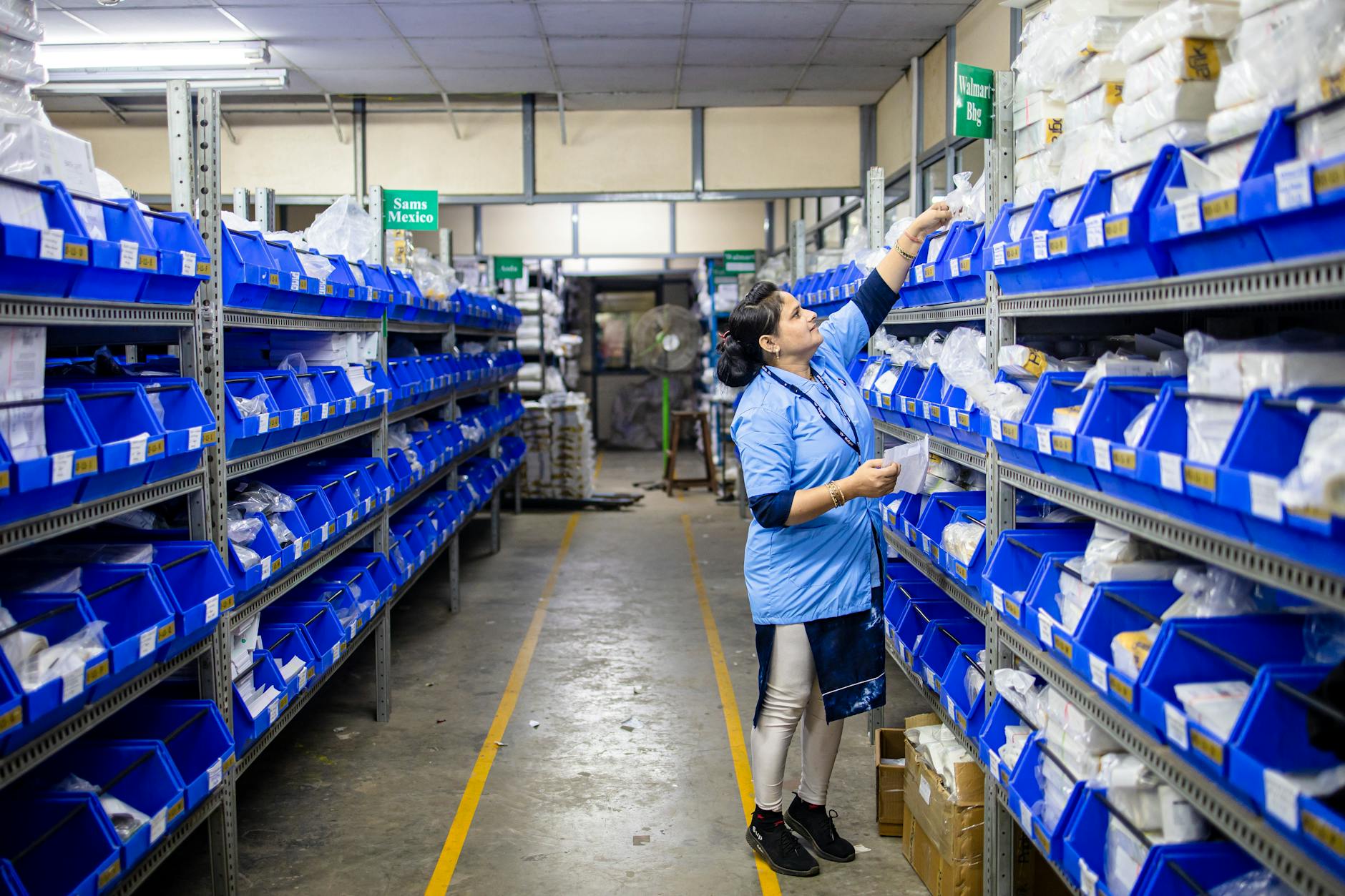
Subscription services have pioneered supply chain approaches that traditional retailers are now scrambling to adopt. The predictable nature of subscription demand allows for just-in-time inventory management that reduces storage costs and minimizes waste.
Companies like Blue Apron revolutionized food distribution by eliminating traditional grocery store intermediaries, working directly with suppliers to deliver ingredients at peak freshness. This direct-to-consumer approach reduces multiple handling stages, lowers costs, and improves quality control compared to traditional retail distribution networks.
The subscription model also enables more sophisticated inventory segmentation. Rather than stocking stores with broad product ranges hoping to appeal to diverse customer bases, subscription services can maintain specialized inventory for specific customer segments. This targeted approach reduces the risk of slow-moving inventory and allows for more adventurous product curation.
Traditional retailers are responding by developing their own subscription offerings and partnering with existing subscription services. Amazon’s Subscribe & Save program exemplifies how established retailers are incorporating subscription elements into their existing infrastructure. Similarly, many traditional brands now offer direct-to-consumer subscription options alongside their retail partnerships, recognizing the value of predictable revenue streams and direct customer relationships.
The influence extends beyond individual companies. Just as ghost kitchens are replacing traditional restaurant models, subscription services are inspiring new approaches to retail space utilization, inventory management, and customer engagement across industries.
The Economic Ripple Effects Across Retail Sectors
The subscription box phenomenon is creating economic pressures that extend far beyond individual companies. Traditional retailers are experiencing what economists call “subscription pressure” – the need to match the convenience and personalization of subscription services while maintaining their existing business models.
Shopping mall operators and department stores face particular challenges as consumers increasingly prefer the convenience of curated deliveries over browsing physical stores. Many traditional retailers are responding by creating hybrid models that combine physical locations with subscription-style services, recognizing that pure brick-and-mortar approaches may not survive consumer preference shifts.
The pricing dynamics are equally significant. Subscription services often appear more affordable due to their monthly payment structures, even when annual costs exceed traditional retail prices. This psychological pricing advantage forces traditional retailers to reconsider their pricing strategies and payment options.
Investment patterns are shifting accordingly. Venture capital funding for subscription-based startups has grown exponentially, while traditional retail investments face increasing scrutiny. This funding disparity accelerates innovation in the subscription space while potentially limiting traditional retail’s ability to compete on technology and customer experience.

The subscription box model represents more than a delivery trend – it’s a fundamental reimagining of the retailer-customer relationship. As consumers increasingly value personalization, convenience, and predictability over traditional shopping experiences, subscription services continue expanding into new categories and refining their approaches.
The most successful traditional retailers are those embracing subscription elements rather than competing against them. The future likely holds hybrid models combining the best aspects of physical retail presence with subscription-style customer relationships and data insights. Companies that ignore this shift risk becoming obsolete, while those that adapt thoughtfully may discover new opportunities for growth and customer connection in an increasingly digital marketplace.
Frequently Asked Questions
How do subscription boxes collect better customer data than traditional retail?
Subscription services gather continuous feedback, preference data, and behavioral insights from regular customer interactions, not just purchase transactions.
Why are subscription boxes more profitable than traditional retail models?
Predictable recurring revenue, lower customer acquisition costs, and better inventory management create more sustainable profit margins than transaction-based retail.