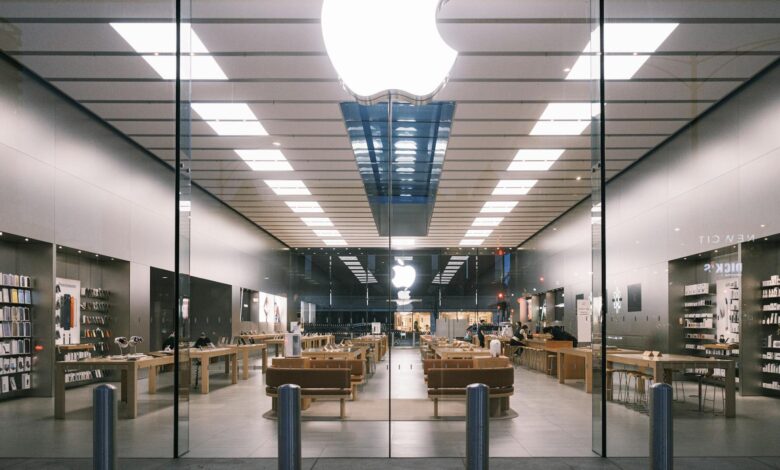
The monthly subscription box, once the darling of e-commerce, is undergoing a dramatic transformation. Companies that built their empires delivering curated products to doorsteps are now betting big on something their business model was designed to avoid: physical retail stores.
This shift represents more than just expansion – it’s a fundamental reimagining of how subscription companies connect with customers. Birchbox, the beauty subscription pioneer, opened its first flagship store in New York’s SoHo district in 2014. Dollar Shave Club followed suit before its Unilever acquisition, testing pop-up experiences across major cities. More recently, Stitch Fix has launched personal styling services in select retail locations, while meal kit companies like Blue Apron have experimented with grocery store partnerships.
The numbers tell a compelling story. According to industry analysts, subscription box revenue growth has slowed from triple-digit rates in the early 2010s to single digits today, forcing companies to diversify beyond their digital-first origins.
Breaking Free from Digital-Only Limitations
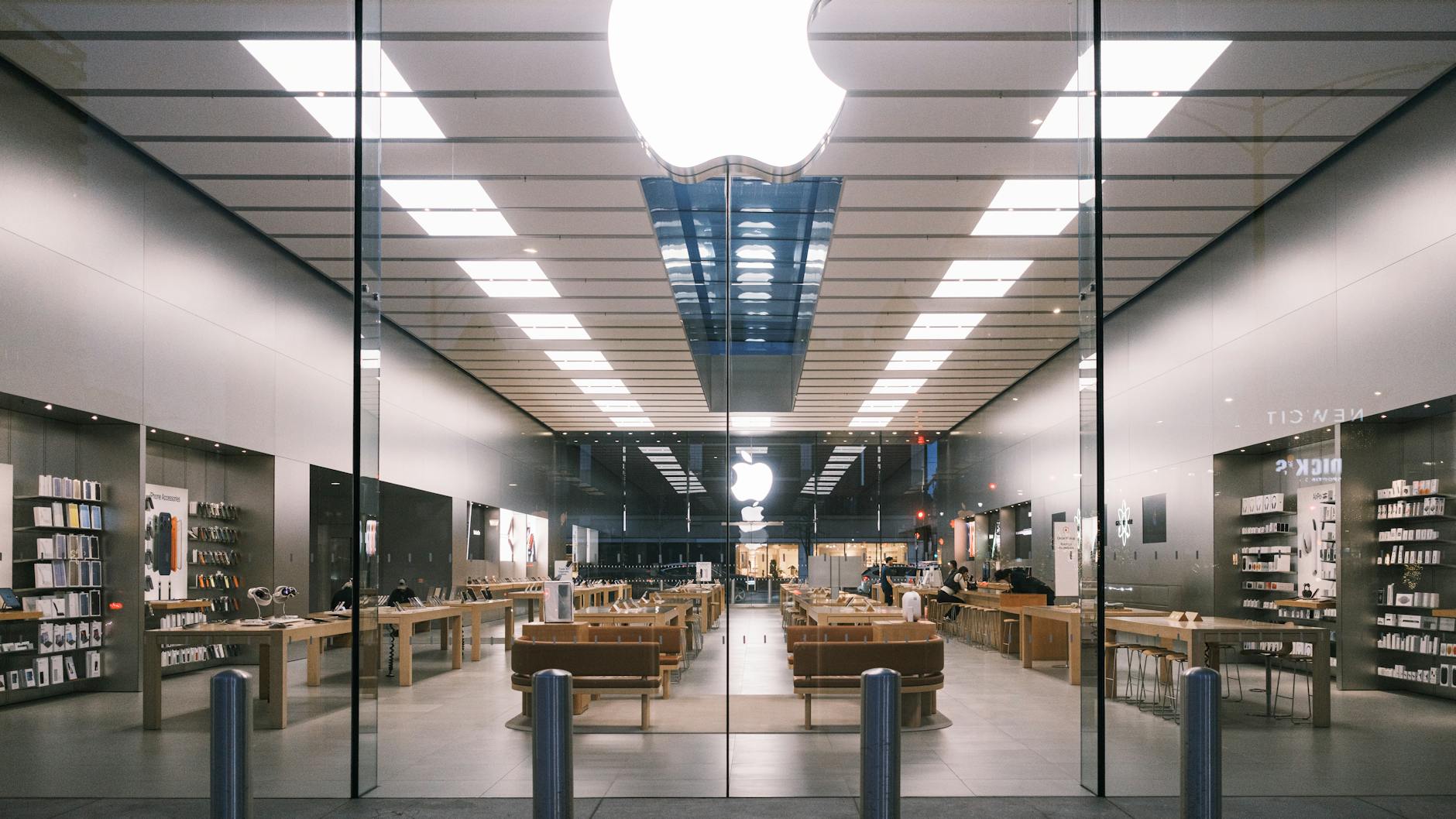
The subscription box model, while innovative, faces inherent constraints that physical retail can address. Customer acquisition costs have skyrocketed across digital platforms, with some companies spending over $200 to acquire each new subscriber. Meanwhile, churn rates remain stubbornly high, often exceeding 10% monthly in competitive categories like beauty and lifestyle.
Physical stores offer subscription companies something their algorithms cannot: immediate gratification and tactile experiences. Customers can touch products, test samples, and receive instant purchases rather than waiting for monthly deliveries. This immediacy addresses one of subscription commerce’s biggest weaknesses – the delayed satisfaction that leads many subscribers to cancel after just a few boxes.
Sephora’s successful integration of subscription elements into its retail experience demonstrates this hybrid approach. The beauty retailer combines its Play! subscription box with in-store pickup options, exclusive member events, and personalized consultations that drive both subscription and retail sales.
The retail pivot also allows subscription companies to capture different customer segments. Some consumers prefer the discovery aspect of subscription boxes but want more control over timing and selection. Physical locations enable these companies to serve both subscription loyalists and traditional retail shoppers under one roof.
The Economics of Hybrid Business Models
The financial math behind retail expansion reflects subscription companies’ search for sustainable unit economics. While shipping costs and packaging eat into subscription margins, retail locations can achieve higher average order values and immediate payment collection. Store-based transactions eliminate the credit card processing delays and failed payment issues that plague subscription billing.
Several companies have found success in this hybrid approach by leveraging their data advantages. Subscription services generate detailed customer preference data that informs retail inventory decisions, store layouts, and product placement strategies. This data-driven retail approach gives former subscription-only companies competitive advantages over traditional retailers.
Warby Parker exemplifies this model perfectly. The eyewear company started with a home try-on subscription service but now operates over 200 physical locations. Their stores serve multiple functions: brand showcases, customer acquisition channels, and fulfillment centers for online orders. The company reports that customers who visit stores have significantly higher lifetime values than online-only customers.
Real estate costs, once prohibitive for digital-first companies, have become more manageable in many markets. The pandemic accelerated retail space availability, creating opportunities for subscription companies to secure prime locations at favorable terms. Additionally, flexible lease structures and pop-up concepts allow these companies to test markets without massive capital commitments.
Challenges and Adaptation Strategies
The transition from subscription-focused operations to retail management presents significant operational challenges. Inventory management becomes exponentially more complex when serving both subscription fulfillment and walk-in retail customers. Companies must balance having enough variety to create compelling in-store experiences while avoiding overstock situations that eat into margins.
Staffing presents another hurdle. Subscription companies built around warehouse and customer service operations must now recruit and train retail associates who can provide personalized shopping experiences. This human element, while costly, proves essential for converting casual browsers into long-term subscribers and repeat customers.
Supply chain logistics require complete restructuring. Companies accustomed to centralized distribution must adapt to supporting multiple retail locations while maintaining subscription fulfillment. Some have addressed this by partnering with third-party logistics providers or implementing ship-to-store programs that leverage existing infrastructure.
Technology integration becomes crucial for success. Successful hybrid companies implement systems that unify customer data across subscription and retail touchpoints, enabling personalized experiences regardless of how customers interact with the brand. This technological backbone supports everything from inventory allocation to targeted marketing campaigns.
Much like ghost kitchens are replacing traditional restaurant models by optimizing for delivery-first operations, subscription companies are reshaping retail by bringing their data-driven, customer-centric approaches to physical spaces.
Industry-Specific Success Stories
Beauty and personal care subscription companies have shown particular success in retail transitions. Ipsy, the beauty subscription service, has partnered with major retailers to offer exclusive product lines and subscription sign-ups at point-of-sale. These partnerships allow the company to reach customers who prefer immediate product access while maintaining its core subscription revenue.
Fashion subscription services face unique challenges in retail expansion due to sizing and fit concerns. Stitch Fix addresses this through data-driven personal styling appointments in select Nordstrom locations, combining their algorithmic expertise with human stylists and immediate try-on capabilities. This hybrid approach captures customers who want personalized curation but prefer in-person consultation.
Pet product subscriptions have found retail success through veterinary office partnerships and pet store collaborations. BarkBox has expanded beyond monthly deliveries to offer retail products in major pet store chains, leveraging their brand recognition and product development capabilities to compete in traditional retail channels.
Food and beverage subscription companies present the most complex retail integration challenges due to perishability and storage requirements. However, companies like Trade Coffee have successfully partnered with specialty grocery stores to offer curated coffee selections and subscription sign-ups, creating touchpoints that serve both discovery and convenience-focused customers.

The subscription box industry’s retail evolution reflects broader shifts in consumer expectations and competitive dynamics. Companies that successfully navigate this transition combine the convenience and personalization of subscription services with the immediacy and experiential aspects of physical retail.
As customer acquisition costs continue rising across digital channels, the companies best positioned for long-term success will be those that master omnichannel experiences rather than relying solely on direct-to-consumer subscriptions. The future belongs to businesses that can seamlessly blend the predictable revenue of subscriptions with the higher margins and customer satisfaction of well-executed retail experiences.
This transformation signals a maturation of the subscription economy, moving from pure digital disruption toward integrated retail strategies that serve diverse customer preferences and create multiple revenue streams. The companies emerging as leaders in this space won’t be those that abandon their subscription roots, but rather those that use their data advantages and customer insights to reimagine what physical retail can be.
Frequently Asked Questions
Why are subscription companies opening physical stores?
To reduce customer acquisition costs, improve retention rates, and offer immediate product access that monthly deliveries cannot provide.
Which subscription companies have successfully opened retail stores?
Warby Parker, Birchbox, Stitch Fix, and BarkBox have all expanded into physical retail with varying degrees of success and different strategic approaches.