How Social Media Algorithms Are Changing Political Campaign Messaging Strategies

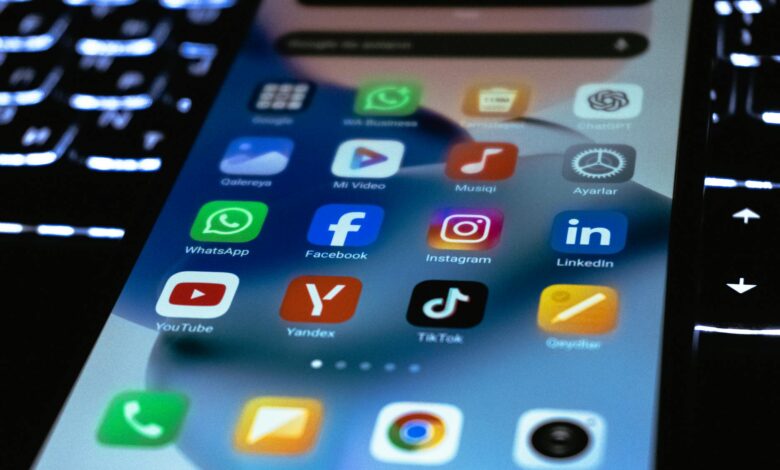
Political campaigns no longer craft messages for broad audiences. Instead, they micro-target voters with personalized content designed to trigger specific emotional responses, thanks to social media algorithms that can predict voting behavior better than traditional polling.
The transformation represents the most significant shift in political communication since television advertising began dominating campaigns in the 1960s. Campaign strategists now spend more time analyzing data patterns than writing speeches, and a single viral moment can reshape election outcomes faster than any ground game operation.
Modern political messaging operates like a precision instrument rather than a megaphone. Where campaigns once created one television ad to reach millions, they now produce dozens of variations tailored to specific demographic slices. A healthcare message targeting suburban mothers emphasizes family security, while the same policy presented to young professionals focuses on innovation and economic opportunity.
The Data-Driven Message Revolution
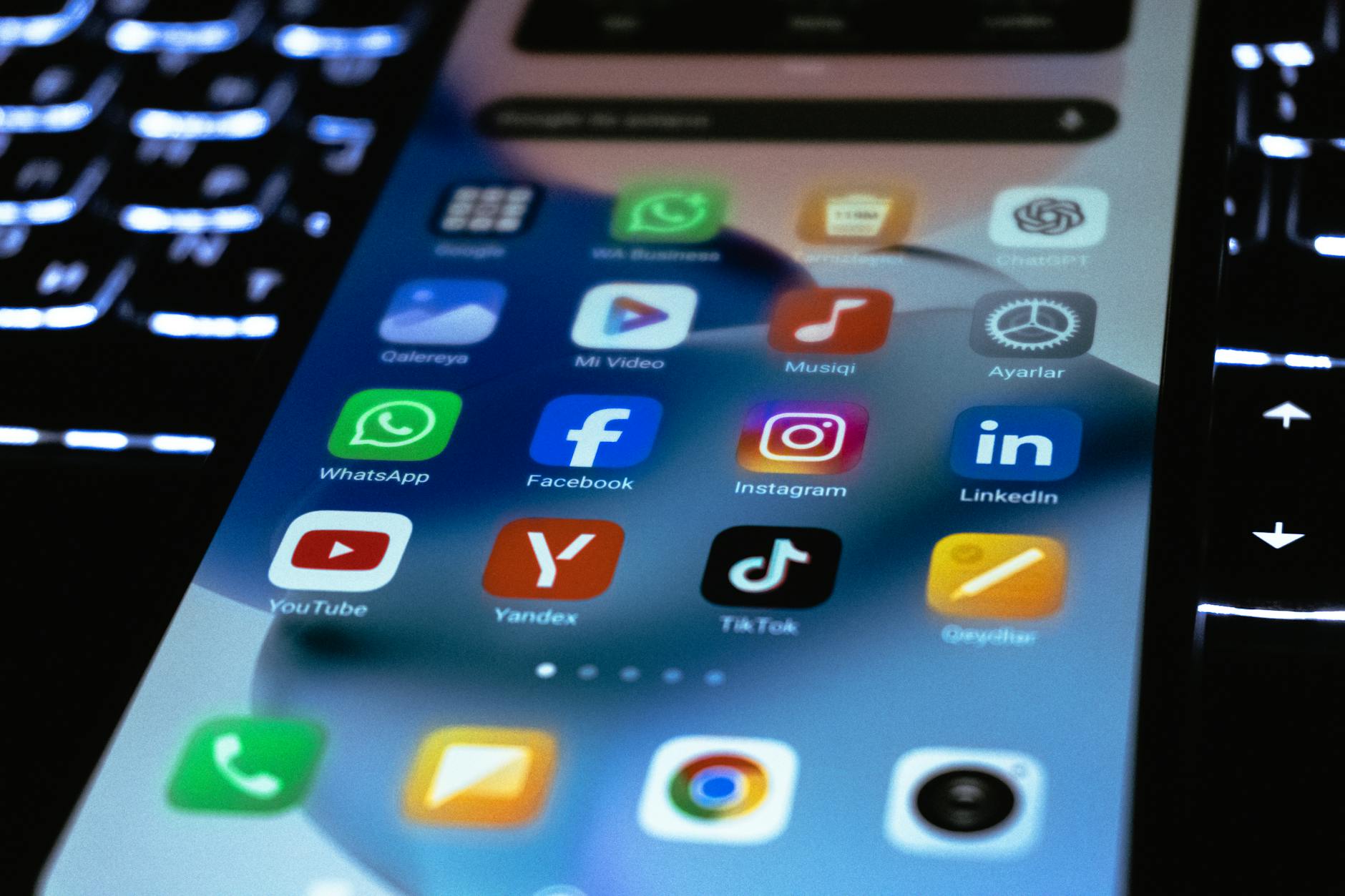
Campaign teams analyze thousands of data points to craft messages that resonate with individual voters. Social media platforms track user engagement patterns, from how long someone watches a video to which phrases generate shares. This behavioral data reveals emotional triggers that traditional focus groups miss entirely.
Facebook’s advertising platform allows campaigns to target voters based on their internet browsing history, shopping habits, and social connections. A voter who frequently visits environmental websites receives ads about climate policy, while someone researching home loans sees messages about housing affordability. The same candidate delivers seemingly different policy priorities to different audiences.
Google’s search data provides another layer of insight. Campaigns monitor which political topics generate the most searches in specific zip codes, then flood those areas with related content. If immigration searches spike in a suburban district, campaign ads emphasizing border security appear across local social media feeds within hours.
The speed of this feedback loop fundamentally changes how campaigns operate. Traditional political messaging required weeks to test and refine through polls and focus groups. Social media algorithms provide real-time performance metrics, allowing campaigns to adjust messaging daily or even hourly based on engagement rates.
Emotional Manipulation Through Algorithmic Amplification
Social media algorithms prioritize content that generates strong emotional responses, particularly anger and fear. Political campaigns exploit this tendency by crafting messages designed to provoke outrage rather than inform voters about policy details.
Research from New York University shows that political content containing moral-emotional language receives significantly more engagement than factual policy discussions. Campaigns now employ sentiment analysis tools to identify which emotional triggers work best with specific voter segments.
The consequences extend beyond individual campaigns. Local mayoral races are becoming more expensive than congressional campaigns partly because candidates must compete in an attention economy that rewards sensational content over substantive debate.
Algorithm-driven messaging also creates echo chambers that reinforce existing beliefs. Voters primarily see political content that aligns with their worldview, while opposing viewpoints remain invisible. This phenomenon contributes to political polarization as voters lose exposure to moderate perspectives that might bridge partisan divides.

Campaign strategists deliberately exploit these algorithmic preferences. They create controversy around minor issues to generate viral moments, knowing that social media algorithms will amplify emotionally charged content to broader audiences. A carefully staged confrontation or provocative statement can reach millions of voters without spending money on traditional advertising.
Micro-Targeting and Voter Segmentation
Advanced voter segmentation allows campaigns to identify persuadable voters with surgical precision. Data analytics firms combine voter registration records with consumer purchasing data, social media activity, and demographic information to create detailed voter profiles.
These profiles go far beyond traditional categories like age and income. Campaigns identify voters based on their lifestyle choices, entertainment preferences, and shopping habits. Someone who buys organic food and drives a hybrid vehicle receives different political messaging than a voter who purchases hunting equipment and frequents certain restaurants.
The sophistication of this targeting creates new challenges for democratic discourse. Voters no longer share common political information, making informed debate increasingly difficult. Two neighbors might receive completely different versions of the same candidate’s policy positions, each tailored to their personal psychological profile.
Minority communities face particular challenges in this environment. Algorithmic targeting can reinforce stereotypes or exclude certain groups from political messaging entirely. Campaigns might assume Latino voters only care about immigration issues, while overlooking their concerns about healthcare, education, or economic opportunity.
The Future of Algorithmic Campaign Strategy
Artificial intelligence tools are revolutionizing political messaging by analyzing speech patterns, facial expressions, and vocal tones in real-time video content. Campaigns use these insights to optimize candidate performances and predict which messages will resonate most effectively with target audiences.
Voice recognition technology allows campaigns to analyze public speeches and debates, identifying which phrases generate the strongest emotional responses from different voter segments. This data informs future messaging strategies and helps candidates refine their communication style for maximum impact.
The integration of augmented reality and virtual reality technologies promises even more immersive political messaging experiences. Campaigns experiment with virtual town halls and augmented reality political ads that appear in voters’ physical environments through smartphone cameras.
However, growing awareness of algorithmic manipulation is generating pushback from voters and regulators. Several states have proposed legislation requiring political advertisements to disclose their targeting criteria and data sources. Tech companies face pressure to increase transparency about how their algorithms amplify political content.
The most successful future campaigns will balance algorithmic precision with authentic human connection. While data-driven messaging provides tactical advantages, voters increasingly crave genuine interaction and substantive policy discussion. Campaigns that rely too heavily on algorithmic manipulation risk appearing inauthentic to an increasingly sophisticated electorate.
The evolution of political messaging reflects broader changes in how information spreads through society. As corporate PAC donations shift away from traditional party lines, algorithmic targeting enables more nuanced political coalitions that transcend historical partisan boundaries.
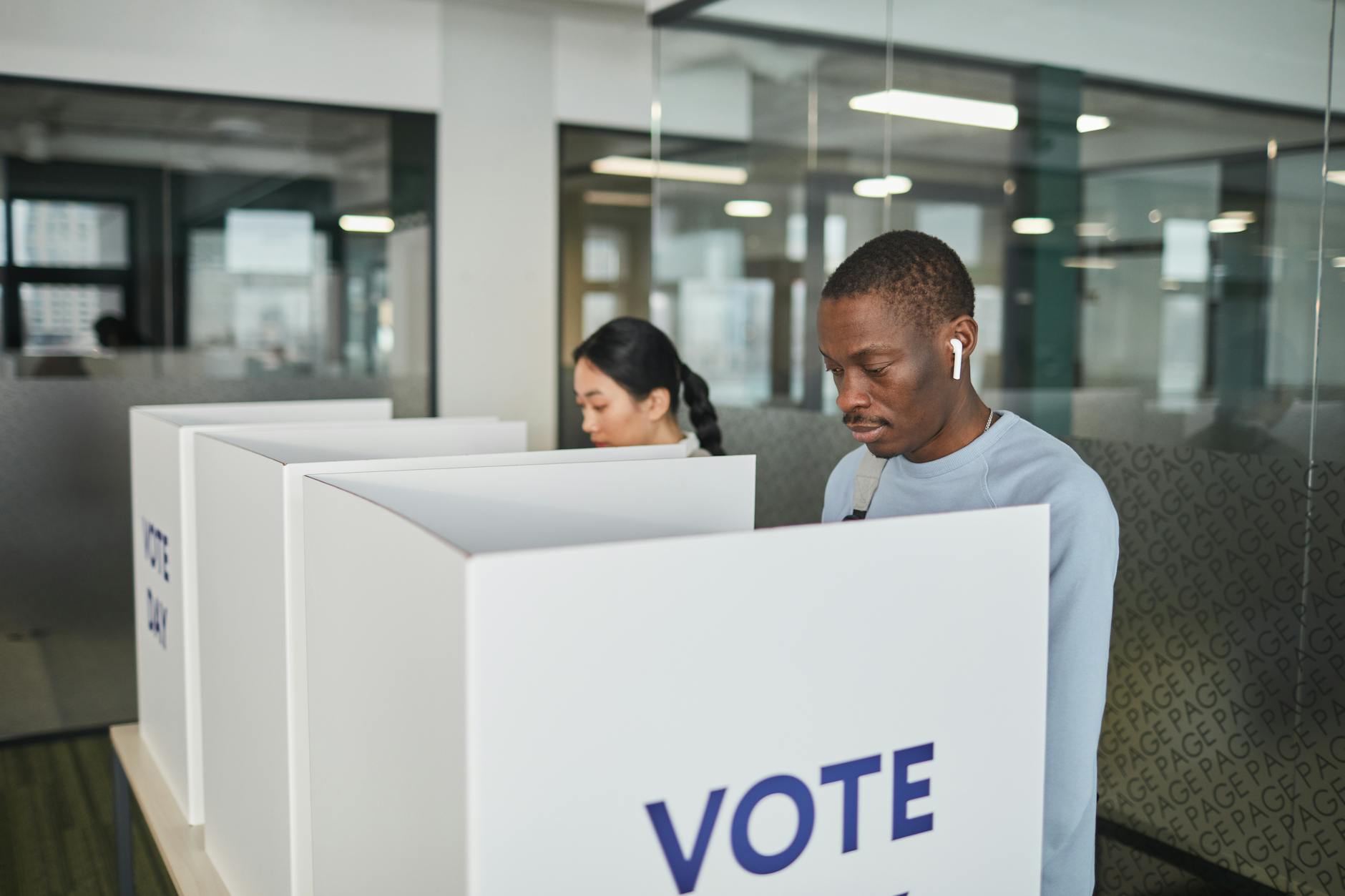
Political communication will continue adapting to technological advances, but the fundamental challenge remains unchanged: how to inform voters and facilitate democratic participation in an increasingly complex information environment. The campaigns that master this balance will shape the future of American democracy.
Frequently Asked Questions
How do social media algorithms change political campaigns?
They enable precise voter targeting and real-time message optimization based on engagement data and behavioral patterns.
What makes algorithmic political messaging different from traditional ads?
Campaigns can create personalized content for specific voter segments rather than broadcasting one message to everyone.