How Remote Work Policies Are Reshaping Commercial Real Estate Markets Nationwide

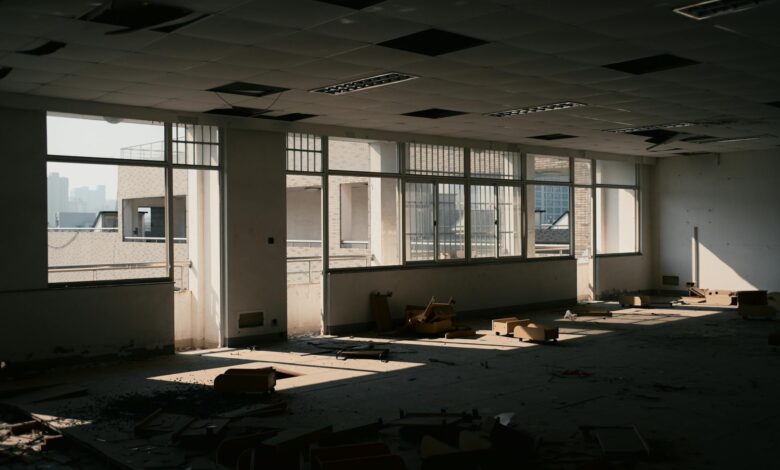
Commercial real estate markets across the United States are experiencing their most dramatic transformation in decades, driven by permanent shifts in how and where Americans work. Office vacancy rates in major metropolitan areas have reached levels not seen since the early 1990s recession, while demand for flexible workspace solutions and suburban commercial properties continues to surge.
The pandemic accelerated remote work adoption from a niche benefit to a mainstream expectation. Major corporations including Salesforce, Twitter, and Dropbox have downsized their physical footprints by millions of square feet, signaling a fundamental shift in how businesses view office space. This isn’t a temporary adjustment – it’s a permanent recalibration of the American workplace.
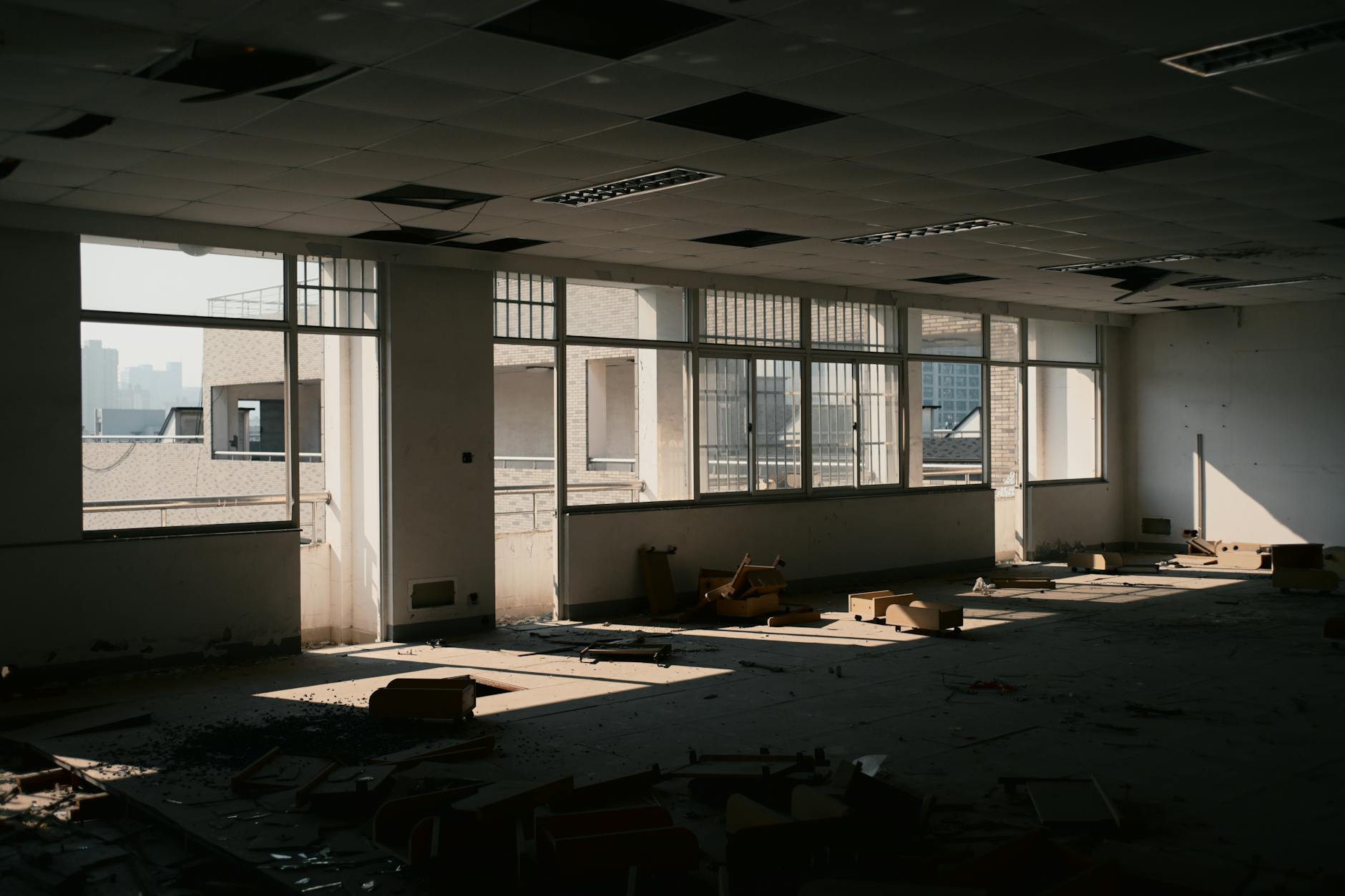
Office Buildings Face Historic Vacancy Crisis
Downtown cores in cities like San Francisco, Seattle, and New York are grappling with office vacancy rates exceeding 20%, creating a ripple effect that extends far beyond real estate investors. The financial district in San Francisco, once commanding some of the highest commercial rents globally, now sees blocks of empty towers as tech companies embrace distributed workforces.
Property values have plummeted accordingly. Office buildings that sold for premium prices in 2019 are now trading at 30-40% discounts, assuming they can find buyers at all. REIT funds focused on commercial office properties have seen dramatic value erosion, with some major funds losing more than half their pre-pandemic valuations.
The challenge extends beyond simple vacancy rates. Many companies that maintained their office leases are using significantly less space. The traditional model of assigned desks for every employee has given way to hoteling systems and reduced capacity planning. Even when workers return to offices, they’re doing so on hybrid schedules that require far less square footage per employee.
Building owners are scrambling to adapt. Some are converting office floors into residential units, though zoning restrictions and infrastructure limitations make this challenging in many markets. Others are pivoting toward mixed-use concepts, incorporating retail, dining, and entertainment to create destinations rather than just workplaces.
Suburban and Secondary Markets Experience Boom
While urban office markets struggle, suburban commercial real estate is experiencing unprecedented demand. Workers who relocated during the pandemic created new economic centers in previously quiet residential areas, driving demand for everything from co-working spaces to service businesses.
Cities like Austin, Nashville, and Phoenix are seeing commercial construction projects that would have seemed impossible five years ago. These markets benefit from lower operating costs, more flexible zoning regulations, and populations of remote workers who still occasionally need professional meeting spaces or dedicated work environments away from home.
The shift mirrors broader demographic trends accelerated by remote work flexibility. Corporate ESG investments are reshaping traditional energy markets, and similar sustainability considerations are influencing location decisions as companies prioritize smaller, more efficient spaces over prestige addresses.

Flex space providers like WeWork, despite their well-documented challenges, are finding new life in suburban markets where they can offer smaller-scale solutions for distributed teams. These spaces serve companies that need occasional meeting rooms, client presentation areas, or collaboration spaces without committing to long-term traditional leases.
Retail and Mixed-Use Properties Adapt to New Patterns
The remote work revolution has created unexpected winners in commercial real estate. Neighborhood retail centers are experiencing renewed interest as workers seek convenient services close to their homes rather than downtown business districts. Coffee shops, lunch spots, and service businesses in residential areas report increased weekday traffic from remote workers.
Mixed-use developments that combine residential, retail, and flexible office space are becoming the gold standard for new construction. These projects address the reality that people want to live, work, and shop within walking distance, reducing commute times and creating more sustainable community models.
Shopping centers are being reimagined to include co-working areas, fitness facilities, and community meeting spaces. Property managers recognize that successful retail now requires creating experiences and services that online shopping cannot replicate, while also serving the growing population of location-independent workers.
The transformation isn’t uniform across all markets. Rural and small-town commercial real estate faces different challenges, as remote workers bring new demand but also new expectations for high-speed internet infrastructure and professional services that may not have existed previously.
Investment Strategies Pivot to New Realities
Real estate investment strategies are undergoing fundamental revision as traditional metrics for evaluating commercial properties become obsolete. Location premiums that once justified sky-high rents in central business districts are being questioned when employees can be equally productive from suburban offices or home workspaces.
Institutional investors are redirecting capital toward logistics and distribution centers, data centers, and residential properties that support the remote work economy. Industrial real estate, particularly facilities supporting e-commerce and last-mile delivery, has become the hottest commercial sector as online shopping patterns established during pandemic lockdowns prove permanent.
Private equity firms are acquiring distressed office properties with conversion potential, betting on long-term demographic shifts toward urban living combined with flexible work arrangements. These investments require significant capital for retrofitting but could capitalize on housing shortages in many metropolitan areas.
The financing landscape for commercial real estate has also shifted dramatically. Traditional lenders are applying stricter criteria to office building loans, while venture capital is flowing toward proptech companies developing solutions for hybrid work management, space utilization analytics, and flexible lease arrangements.
Looking ahead, the commercial real estate market will likely stabilize around new equilibriums rather than returning to pre-pandemic patterns. Companies are becoming more sophisticated about space planning, using data analytics to optimize their physical footprints based on actual usage patterns rather than traditional assumptions about office needs.
The winners will be properties and markets that embrace flexibility, sustainability, and community integration. The transformation represents more than a real estate shift – it’s a fundamental reimagining of how Americans balance work, life, and community in the 21st century economy.
Frequently Asked Questions
How much have office vacancy rates increased due to remote work?
Major metropolitan areas are seeing office vacancy rates exceeding 20%, with some downtown cores experiencing the highest rates since the early 1990s recession.
Which commercial real estate sectors are benefiting from remote work trends?
Suburban commercial properties, industrial real estate, logistics centers, and mixed-use developments are experiencing increased demand from remote work patterns.