Walk into any grocery store today and you’ll witness a quiet revolution. Store shelves once dominated by Kraft, Kellogg’s, and Coca-Cola now feature an army of lesser-known labels bearing names like Great Value, Kirkland Signature, and Market Pantry. These private label brands, once relegated to budget-conscious shoppers, have staged a dramatic takeover that’s reshaping the entire grocery landscape.
Private label products now command nearly 25% of total grocery sales in the United States, a figure that has steadily climbed from just 15% two decades ago. Target’s Good & Gather brand alone generated over $3 billion in sales within two years of its 2019 launch, while Costco’s Kirkland Signature has become synonymous with quality at warehouse prices. This shift represents more than changing consumer preferences – it’s a fundamental restructuring of how Americans shop for food and household essentials.
The transformation didn’t happen overnight. Grocery chains spent years perfecting their private label strategies, investing in better packaging design, improved product quality, and strategic shelf placement. Today’s store brands compete head-to-head with national brands on taste, quality, and innovation, often winning blind taste tests and consumer loyalty awards previously reserved for household names.
Quality Revolution Drives Consumer Trust
The days of generic white labels with basic black text are long gone. Modern private label brands invest heavily in product development, often using the same manufacturers that produce name-brand items. Walmart’s Great Value line sources products from facilities that also make items for major national brands, while Trader Joe’s has built a cult following around unique flavors and organic options unavailable elsewhere.
Consumer Reports consistently ranks store brands alongside or above their national counterparts in blind taste tests. Costco’s Kirkland Signature vodka, reportedly produced in the same French facility as Grey Goose, sells for a fraction of the premium brand’s price. Similarly, Target’s Market Pantry pasta sauces and Kroger’s Simple Truth organic products have earned recognition for quality that rivals or exceeds traditional brands.
The quality improvement stems from retailers’ direct relationships with manufacturers. Without middleman markups and extensive advertising budgets, private label brands can invest more in ingredients and production while still offering lower prices. This value proposition has resonated particularly strongly with younger consumers who prioritize substance over brand loyalty.
Grocery chains also leverage customer data to develop products that fill specific gaps in the market. Amazon’s analysis of customer reviews and purchase patterns led to the creation of Amazon Basics products that address common complaints about existing options. This data-driven approach allows private labels to innovate faster than traditional brands constrained by lengthy corporate approval processes.
Economic Pressures Accelerate the Shift
Inflation has turbocharged the private label movement. As grocery prices soared in recent years, consumers increasingly turned to store brands as a way to maintain their standard of living without breaking the budget. A typical private label product costs 20-30% less than its national brand equivalent, savings that add up quickly for families managing tight grocery budgets.
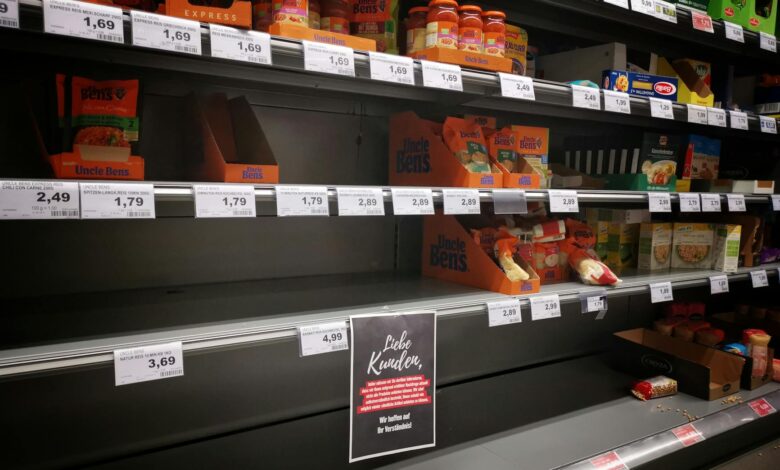
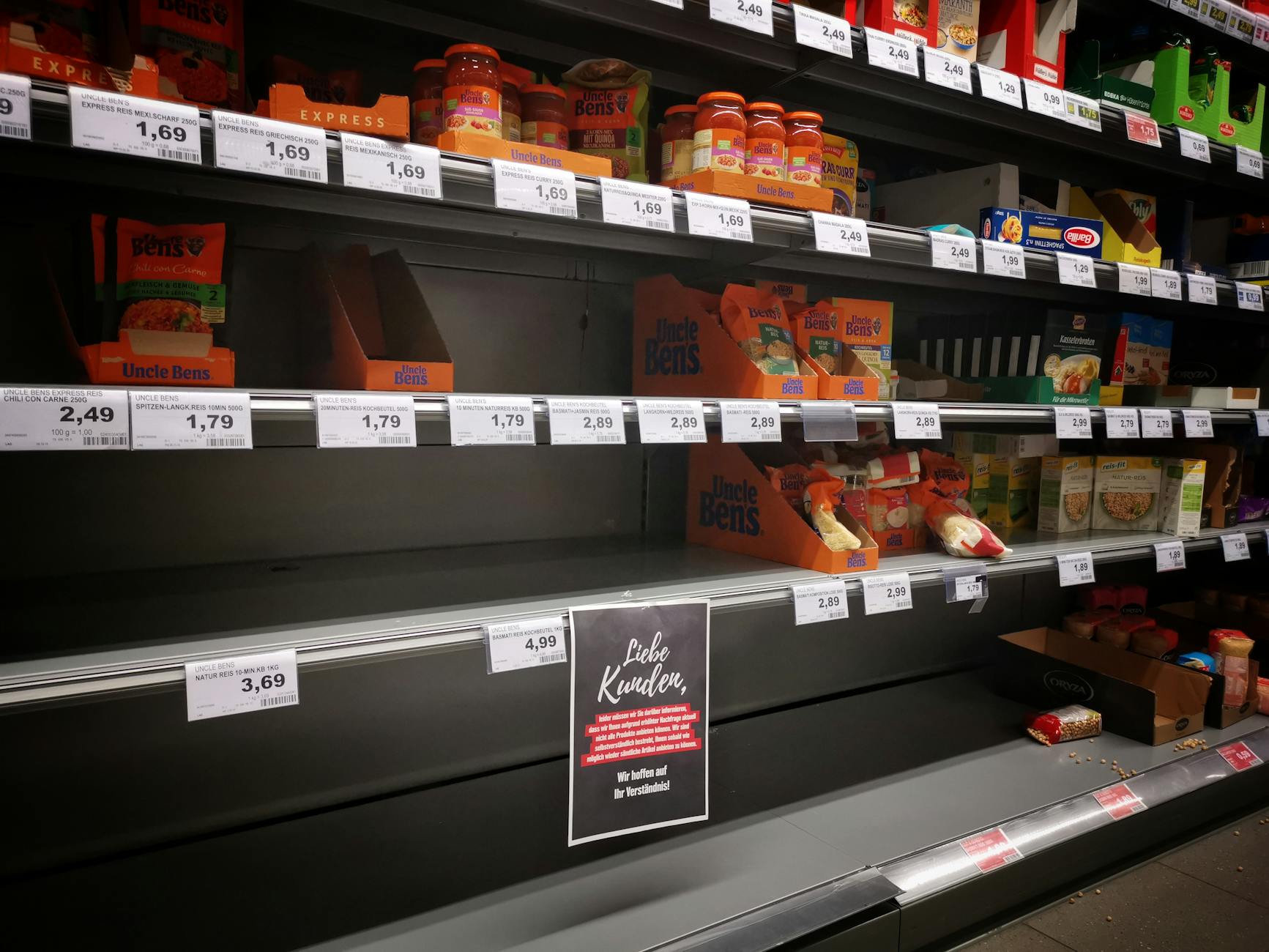
The pandemic further accelerated this trend as supply chain disruptions left many national brand shelves empty while private label alternatives remained available. Shoppers who tried store brands out of necessity often discovered they preferred them, creating lasting loyalty that persists even as supply chains stabilized.
Retailers have capitalized on this shift by expanding their private label offerings across all price points. Whole Foods’ 365 line targets health-conscious consumers, while Dollar General’s Clover Valley brand serves budget-focused shoppers. This segmentation allows stores to capture customers across different income levels while maintaining higher profit margins than they earn on national brands.

The economic advantages extend beyond consumer savings. Private label products typically offer retailers profit margins of 25-30%, compared to just 5-10% on national brands. This financial incentive has led grocery chains to dedicate prime shelf space to their own brands, often placing them at eye level while relegating national brands to higher or lower shelves.
Technology and Innovation Level the Playing Field
Modern private label brands leverage technology in ways that would have been impossible for smaller players just a decade ago. Advanced AI systems help retailers analyze customer preferences, optimize product formulations, and predict demand patterns with unprecedented accuracy.
Direct-to-consumer testing platforms allow private label developers to refine products based on real customer feedback before full market launch. Amazon uses its vast customer base to test new Amazon Basics products, while Target employs focus groups and social media monitoring to guide product development for its various house brands.
Supply chain technology has also democratized access to high-quality manufacturing. Retailers can now easily connect with the same contract manufacturers used by national brands, often negotiating better terms due to their guaranteed volume commitments. This has eliminated the quality gap that once separated store brands from premium national products.
Digital marketing tools allow private label brands to build awareness without the massive advertising budgets required for traditional media campaigns. Social media influencers regularly feature store brands in recipe videos and product reviews, organic promotion that costs retailers far less than television commercials while often proving more effective with target demographics.
National Brands Fight Back with Premium Positioning
Established consumer goods companies haven’t remained passive in the face of private label growth. Many have shifted toward premium positioning, emphasizing brand heritage, specialized ingredients, or unique benefits that generic alternatives cannot easily replicate.
Coca-Cola has expanded beyond traditional cola into craft-style beverages and wellness drinks that command higher margins and resist private label competition. Similarly, Unilever has focused on sustainability messaging and premium formulations for brands like Ben & Jerry’s and Dove, creating emotional connections that transcend price comparison.
Some national brands have also embraced the “if you can’t beat them, join them” philosophy. Many major food companies now manufacture private label products for retailers, using excess capacity to generate additional revenue while maintaining their own brand portfolios. This strategy allows them to participate in the private label boom rather than simply losing market share to it.
Innovation cycles have accelerated as national brands attempt to stay ahead of private label copycats. New product launches, limited edition flavors, and seasonal offerings create temporary advantages before store brands can develop comparable alternatives.
The Future Belongs to Hybrid Strategies
The private label revolution shows no signs of slowing down. Industry analysts predict store brands could reach 30% market share within the next five years, driven by continued economic pressures and improving quality perceptions. Younger consumers, in particular, show little brand loyalty to traditional names, making them prime targets for private label expansion.
Grocery retailers are investing heavily in private label capabilities, with many hiring former brand managers from consumer goods companies to lead their store brand initiatives. This strategic focus reflects the recognition that private labels have become essential profit drivers rather than mere gap-fillers.
The most successful retailers are developing tiered private label strategies that span multiple price points and quality levels. Kroger operates more than a dozen private label brands, from budget-friendly Heritage Farm to premium Simple Truth Organic. This approach allows single retailers to compete across the entire market spectrum while maintaining control over their product mix and margins.
Technology will continue driving private label innovation, with AI-powered product development and personalized nutrition potentially creating store brands tailored to individual customer preferences. The grocery shopping experience of the future may feature products designed specifically for each household’s dietary needs and taste preferences, a level of customization that traditional national brands cannot easily match.
The private label takeover represents more than a simple shift in consumer preferences – it signals a fundamental reorganization of the grocery industry toward retailer-controlled brands that offer better value, comparable quality, and increasingly sophisticated marketing. For shoppers, this transformation means more choices, better prices, and products designed specifically for their needs rather than mass market appeal.
Frequently Asked Questions
Are private label brands lower quality than name brands?
Modern private label brands often match or exceed national brand quality, using the same manufacturers and rigorous testing standards.
How much money can I save buying private label products?
Private label products typically cost 20-30% less than national brand equivalents while offering comparable quality and ingredients.