How Private Label Brands Are Competing Directly with Name Brand Manufacturers


Target’s Good & Gather brand outsells many national food brands. Walmart’s Great Value generates over $27 billion annually. Amazon’s private label portfolio spans everything from batteries to bed sheets, directly challenging household names that once dominated retail shelves.
The retail landscape has shifted dramatically as store brands evolve from cheap knockoffs to premium alternatives. Major retailers now invest heavily in product development, sourcing, and marketing to create private label offerings that compete head-to-head with established manufacturers. This transformation represents one of the most significant changes in consumer goods, forcing traditional brands to rethink their strategies while retailers capture higher margins and customer loyalty.
Private label brands have shed their generic reputation through sophisticated branding, quality improvements, and strategic positioning. Retailers leverage customer data, supply chain control, and shelf space advantages to build brands that often outperform national alternatives in both sales and consumer satisfaction.

The Quality Revolution Behind Store Brands
Modern private label products often match or exceed the quality of national brands while offering significant cost savings. Retailers work directly with manufacturers, many of whom also produce name-brand products, to create items that meet specific quality standards and price points.
Costco’s Kirkland Signature brand exemplifies this approach. The retailer partners with premium manufacturers to create products that deliver luxury quality at wholesale prices. Kirkland Signature olive oil, produced by established Italian mills, competes directly with premium imported brands. Similarly, their clothing line rivals designer alternatives while maintaining strict quality controls throughout production.
Target has invested heavily in design and product development for its private label portfolio. The company employs teams of designers, product developers, and trend researchers who work months ahead to create items that anticipate consumer preferences. Their home goods lines often feature contemporary designs that rival more expensive national brands, while maintaining Target’s accessible pricing strategy.
Quality improvements extend beyond aesthetics to functional performance. Walmart’s Equate health and beauty products undergo rigorous testing to ensure they meet FDA standards and consumer expectations. Many Equate items contain identical active ingredients to national brands, manufactured in the same facilities, but sold at substantially lower prices.
The sourcing strategies behind these quality improvements involve direct relationships with manufacturers worldwide. Retailers bypass traditional distribution channels, working directly with factories to control production specifications, timing, and costs. This approach allows them to maintain consistent quality while achieving the margins necessary to compete on price.
Data-Driven Product Development and Consumer Insights
Retailers possess unprecedented access to consumer purchasing data, enabling them to identify gaps in the market and develop products that address specific consumer needs. This data advantage allows private label teams to make informed decisions about product features, pricing, and positioning.
Amazon leverages its vast marketplace data to identify successful product categories and consumer pain points. The company analyzes customer reviews, search patterns, and purchase behaviors to develop Amazon Basics products that address common complaints about existing products. When customers consistently mention that phone chargers break easily, Amazon develops more durable alternatives. When reviews highlight packaging waste, they create more sustainable options.
Grocery retailers use loyalty card data to understand shopping patterns and preferences at granular levels. They can identify which national brands customers purchase together, what price points drive switching behavior, and which product attributes matter most to their specific customer base. This information guides everything from flavor development to package sizing.
The speed of private label product development has accelerated significantly compared to traditional brand innovation cycles. While national brands may take years to bring new products to market, retailers can move from concept to shelf in months. This agility allows them to capitalize on emerging trends quickly, whether in wellness, sustainability, or changing dietary preferences.
Seasonal and regional customization represents another advantage of retailer-controlled brands. Private label teams can adjust formulations, flavors, or designs to match local preferences or seasonal demands without the complex approval processes that bog down national brands across multiple retail partners.
Supply Chain Control Creates Competitive Advantages
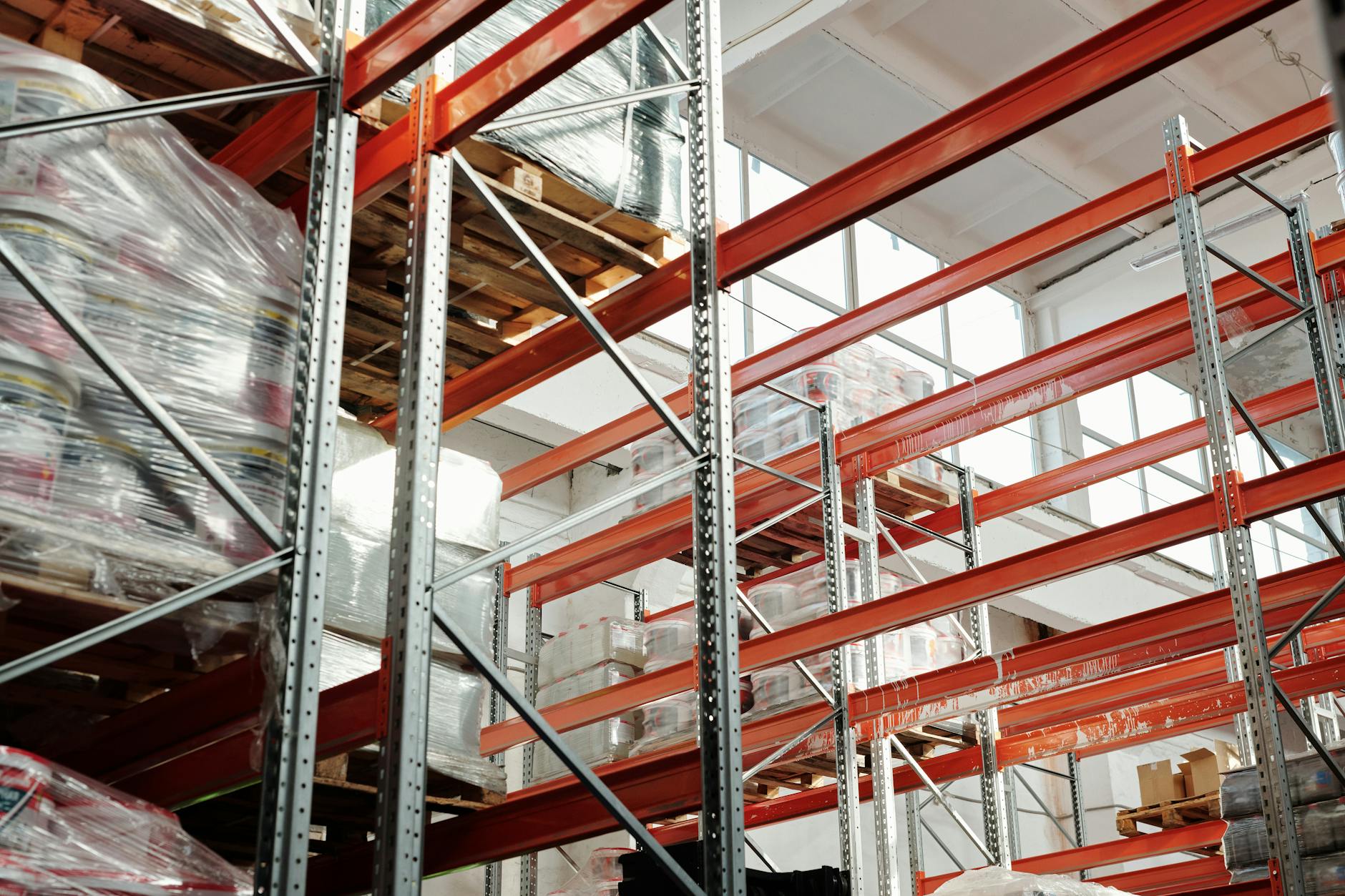
Direct control over supply chains gives retailers significant advantages in cost, quality, and availability compared to traditional manufacturer-retailer relationships. Private label brands eliminate multiple layers of markup while providing retailers greater flexibility in sourcing, production scheduling, and inventory management.
Vertical integration strategies allow retailers to control every aspect of product development and distribution. Some retailers invest in their own manufacturing facilities or form exclusive partnerships with producers. This approach ensures consistent supply, maintains quality standards, and provides cost advantages that can be passed on to consumers or retained as higher margins.
The relationship between retailers and contract manufacturers has evolved into strategic partnerships rather than simple transactional arrangements. Retailers work closely with manufacturers to develop exclusive formulations, optimize production processes, and ensure consistent quality. These partnerships often involve long-term contracts that provide stability for manufacturers while guaranteeing supply for retailers.
Global sourcing capabilities enable retailers to find the best manufacturers worldwide for specific product categories. A retailer might source electronics from specialized facilities in Asia, food products from North American producers, and textiles from regions known for specific materials or craftsmanship. This flexibility allows them to optimize for quality, cost, and sustainability simultaneously.
Supply chain transparency has become increasingly important as consumers demand more information about product origins and manufacturing processes. Private label brands can provide detailed information about sourcing, production methods, and quality controls because retailers maintain direct relationships with manufacturers. This transparency builds consumer trust while differentiating private label products from national brands that may use more complex, less transparent supply chains.
Marketing Strategies That Challenge Traditional Brand Loyalty
Private label marketing has evolved far beyond simple price comparisons to sophisticated brand building that creates emotional connections with consumers. Retailers invest in professional packaging design, compelling brand narratives, and strategic placement to position their brands as desirable choices rather than budget alternatives.
Premium private label lines often feature packaging and branding that rivals luxury national brands. Target’s Goodfellow & Co. clothing line uses sophisticated typography, premium materials, and contemporary design elements that appeal to style-conscious consumers. The branding suggests quality and trend-awareness rather than value pricing, allowing the retailer to command higher margins while still undercutting comparable national brands.
Exclusive product launches and limited editions create urgency and desirability around private label items. Major consulting firms are acquiring boutique creative agencies to help retailers develop more sophisticated branding strategies for their private label portfolios.
Endorsements and partnerships with influencers, celebrities, or experts lend credibility to private label brands. Retailers collaborate with chefs to develop food products, work with designers on home goods, or partner with beauty experts on cosmetics lines. These associations help overcome consumer skepticism about store brands while creating marketing stories that generate media coverage and social media engagement.
In-store merchandising advantages cannot be understated. Retailers control shelf placement, signage, and promotional opportunities for their private label products. Prime shelf space, eye-level placement, and prominent end-cap displays give private label items significant visibility advantages over national brands that must compete for retailer attention and cooperation.
The Future of Retail Brand Competition
The success of private label brands is forcing national manufacturers to reconsider their retail relationships and value propositions. Some manufacturers are embracing the trend by offering white-label services to retailers, while others are focusing on innovation and brand differentiation to maintain their market positions.
Technology integration will likely accelerate private label development capabilities. Artificial intelligence can analyze customer data more efficiently to identify product opportunities, while advanced manufacturing technologies enable more flexible, responsive production. Retailers may soon be able to customize products for individual markets or even individual customers at scale.
Sustainability concerns are driving both retailers and consumers toward more transparent, environmentally conscious products. Private label brands, with their direct supply chain control, are well-positioned to implement sustainable practices and communicate them effectively to consumers. This trend may accelerate the shift from national brands, particularly in categories where consumers prioritize environmental impact.
The competitive landscape will continue evolving as traditional boundaries between retailers and manufacturers blur. Major retailers are making strategic operational changes across multiple areas to better serve customers and improve efficiency.
As private label brands mature and gain market share, they face new challenges around innovation, brand management, and consumer expectations. Success will depend on continued investment in quality, design, and customer experience while maintaining the cost advantages that initially drove their growth.
Frequently Asked Questions
Are private label products the same quality as name brands?
Many private label products now match or exceed name brand quality, often manufactured in the same facilities with similar ingredients or materials.
Why are private label brands becoming more popular?
They offer comparable quality at lower prices while retailers invest heavily in design, sourcing, and marketing to create appealing alternatives.