How Moderate Republicans Are Winning Primaries Against Trump-Backed Candidates

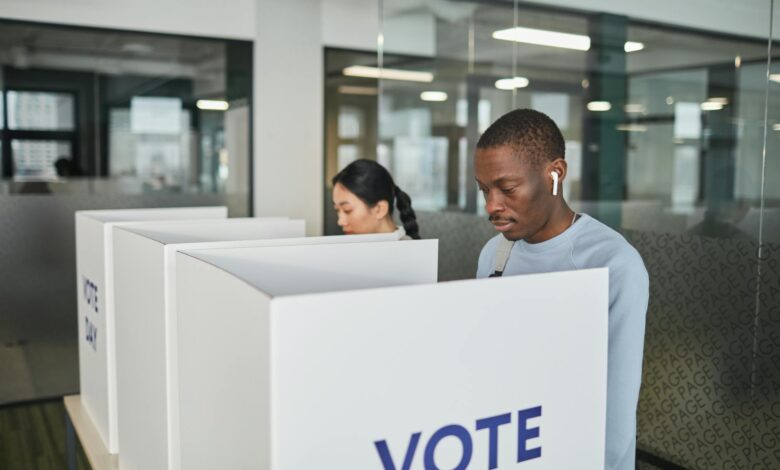
Traditional Republicans are quietly mounting successful challenges against Trump-endorsed candidates across the country, signaling a potential shift in the party’s direction. From suburban districts in Virginia to governor’s mansions in New Hampshire, moderate GOP candidates are proving that Trump’s endorsement isn’t the golden ticket it once appeared to be.
The pattern emerged clearly in recent primary cycles, where establishment Republicans backed by traditional donors and business leaders have outperformed candidates carrying Trump’s explicit support. These victories suggest that Republican voters, particularly in competitive general election districts, are prioritizing electability over ideological purity.
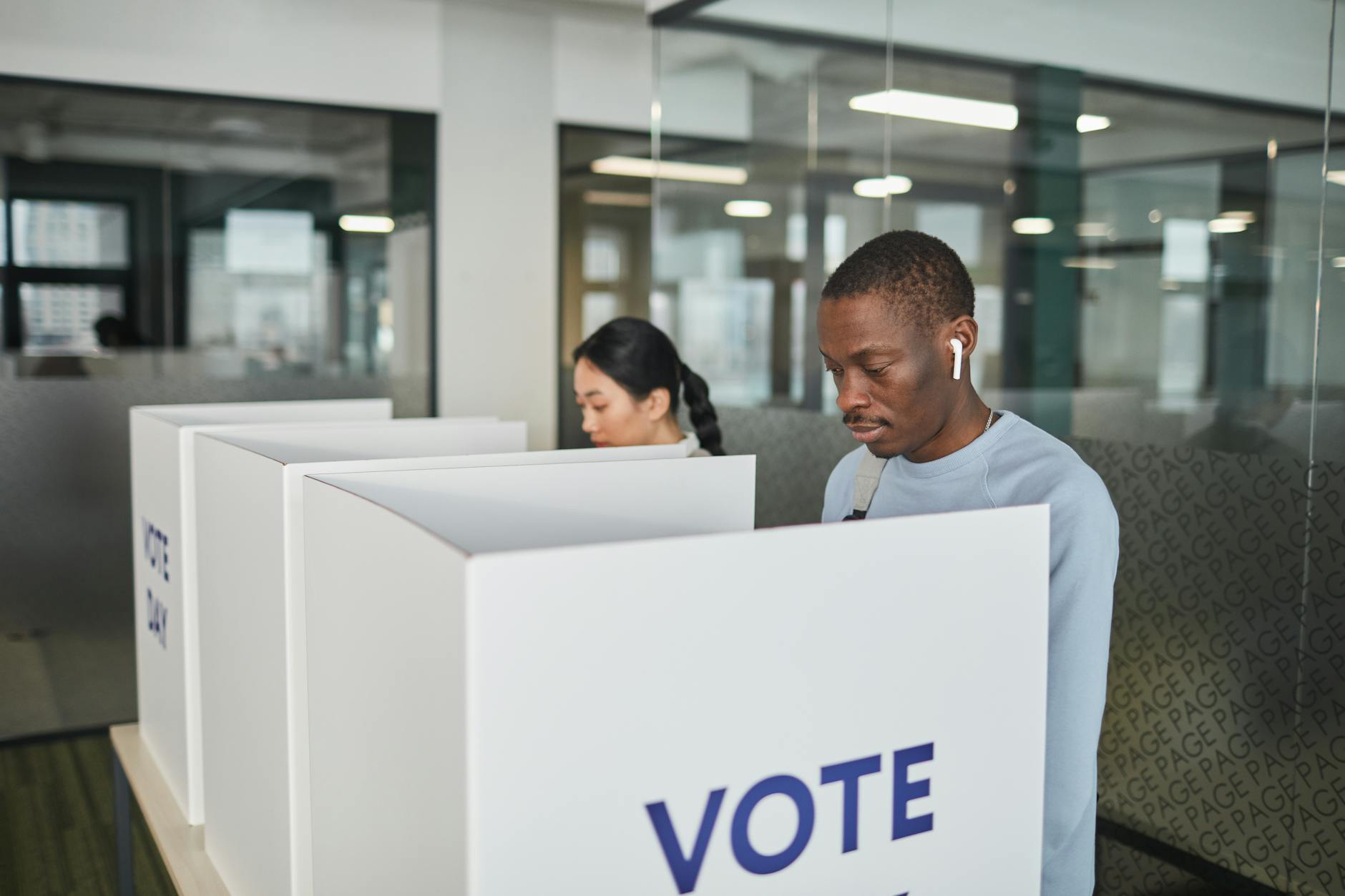
The New Moderate Playbook
Successful moderate Republicans are running campaigns that acknowledge Trump’s influence while maintaining strategic distance from his most controversial positions. They emphasize fiscal conservatism, local issues, and pragmatic governance rather than culture war battles that dominate Trump-backed campaigns.
Glenn Youngkin’s gubernatorial victory in Virginia provided an early template for this approach. While not explicitly rejecting Trump, Youngkin focused on education policy, tax relief, and economic development. His campaign attracted suburban voters who had drifted away from the Republican Party during the Trump era.
This strategy has proven particularly effective in purple states and competitive districts where general election viability matters more than primary base mobilization. Moderate candidates are finding success by appealing to Republican voters who want to win in November, not just make ideological statements.
The evolution of political fundraising has also benefited moderate candidates, who can tap into traditional donor networks through both established channels and newer digital platforms that reach beyond the Trump base.
Business Community Support
Corporate America’s quiet backing of moderate Republicans represents a significant shift in political dynamics. Business leaders, concerned about election integrity challenges and potential instability, are increasingly supporting candidates they view as more predictable and business-friendly.
Chamber of Commerce endorsements, once routine for any Republican candidate, now carry additional weight as they signal establishment approval. These endorsements come with substantial financial backing and volunteer networks that can prove decisive in close primary races.
Technology sector leaders, particularly those in competitive states, have been notably active in supporting moderate Republican candidates. Their involvement reflects concerns about talent retention and business climate issues that transcend traditional partisan politics.

Agricultural and manufacturing interests have also shown preference for moderate candidates who focus on trade policy and regulatory issues rather than social controversies. This support proves crucial in rural districts where economic concerns often outweigh cultural considerations.
Voter Coalition Shifts
Republican primary electorates are showing signs of evolution, with college-educated suburban voters participating at higher rates than in previous cycles. These voters, many of whom stayed home during Trump-era primaries, are returning to influence candidate selection.
Women voters, in particular, are playing an increased role in Republican primaries. Their participation has benefited moderate candidates who emphasize education, healthcare access, and economic stability over divisive social issues.
The influence of independent voters in open primary states has also grown. These voters, who can choose which primary to participate in, often favor candidates they believe can appeal across party lines in general elections.
Military families and veterans, traditional Republican constituencies, have shown preference for candidates with foreign policy experience and measured approaches to international relations. This trend reflects concerns about America’s global standing and the importance of experienced leadership, as highlighted by the growing emphasis on foreign policy credentials for gubernatorial candidates.
Media Strategy and Messaging
Moderate Republican campaigns have developed sophisticated messaging strategies that acknowledge conservative principles while avoiding inflammatory rhetoric. They focus on solutions rather than grievances, appealing to voters exhausted by constant political conflict.
Social media strategies for these campaigns emphasize policy achievements and local endorsements rather than national political battles. This approach resonates with voters who want their representatives focused on governing rather than partisan warfare.
Traditional media coverage has generally been more favorable to moderate candidates, providing additional visibility and credibility with swing voters who will determine general election outcomes.
Local media endorsements have proven particularly valuable, as they carry weight with voters who prioritize community leadership over national political alignment.
Looking Ahead: November and Beyond
The success of moderate Republicans in primary elections sets up potentially competitive general election races in districts that might otherwise be safe for Democrats. This development could reshape the political landscape in ways that benefit both parties’ pragmatic wings.
National Republican strategists are closely watching these races as indicators of the party’s future direction. Strong general election performances by moderate candidates could encourage similar candidacies in future cycles, potentially accelerating the party’s evolution.
The financial backing flowing to moderate candidates suggests that traditional Republican donors see this as a long-term investment in the party’s viability. Their continued support will likely influence candidate recruitment and campaign strategies in upcoming election cycles.
Democratic strategists are also taking notice, as moderate Republican opponents require different campaign approaches than Trump-aligned candidates. This dynamic could influence Democratic primary elections and candidate selection processes.
The ultimate test for these moderate Republican candidates will come in November, when their electability arguments face voters’ judgment. Success in general elections would validate their primary strategy and potentially reshape Republican politics for years to come.
Frequently Asked Questions
Why are moderate Republicans winning against Trump-backed candidates?
They’re focusing on electability, local issues, and pragmatic governance while attracting business support and suburban voters.
What role does business community support play in these victories?
Corporate backing provides crucial funding and endorsements, signaling establishment approval that resonates with pragmatic Republican voters.