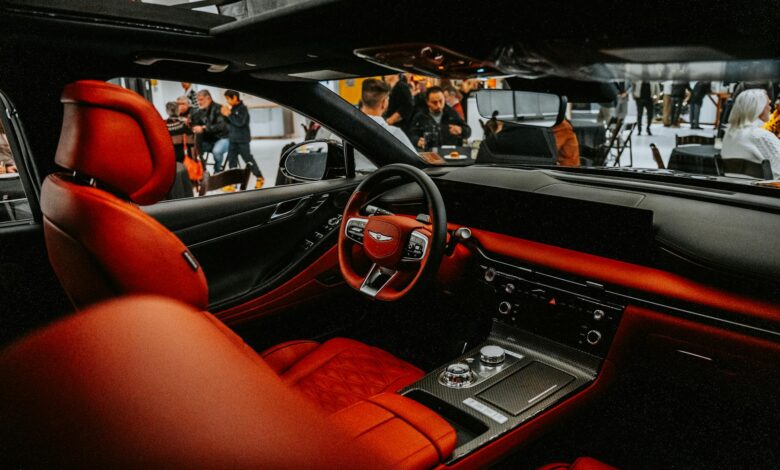
The luxury automotive sector is experiencing a seismic shift as prestigious brands abandon their traditional exclusivity model to embrace mass-market ride-sharing platforms. Mercedes-Benz, BMW, and Audi are now actively courting Uber and Lyft drivers, transforming vehicles once reserved for the wealthy into everyday transportation options for millions of passengers.
This strategic pivot represents more than just a business expansion-it’s a fundamental reimagining of luxury brand positioning in an era where ownership models are rapidly evolving. Traditional car sales have plateaued in key markets, while ride-sharing continues explosive growth, creating an irresistible opportunity for premium manufacturers to tap into new revenue streams without diluting their core brand identity.
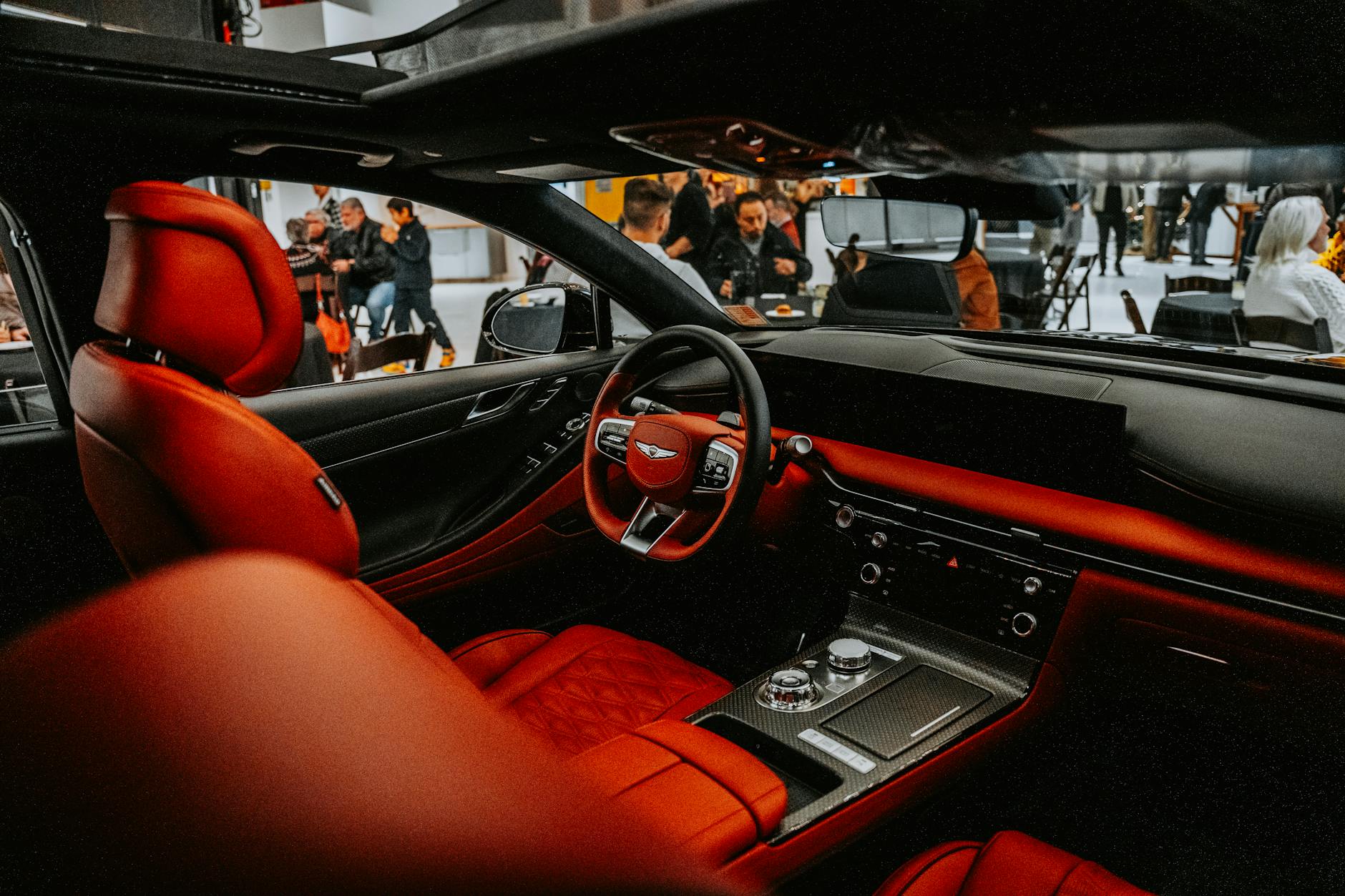
The Mercedes-Benz Fleet Revolution
Mercedes-Benz leads this transformation through its comprehensive driver incentive programs across major metropolitan markets. The German automaker offers lease deals specifically tailored for ride-share drivers, with reduced down payments and maintenance packages designed for high-mileage commercial use. Their C-Class and E-Class sedans have become increasingly common sights in Uber Black and Lyft Lux fleets.
The company’s strategy extends beyond simple vehicle sales. Mercedes has developed specialized financing products that account for the unique economics of ride-sharing, including accelerated depreciation schedules and insurance partnerships that reduce operational costs for drivers. This approach recognizes that ride-share drivers operate under different financial pressures than traditional luxury car buyers, requiring more flexible terms and support structures.
Regional partnerships have proven particularly successful in markets like Los Angeles, Miami, and New York, where premium ride-sharing services command higher fares. Mercedes reports that approximately 15% of their fleet sales in these markets now go directly to ride-share drivers, a segment that barely existed five years ago.
BMW and Audi’s Competitive Response
BMW has taken a different approach, focusing on their 3 Series and 5 Series models for ride-sharing applications while simultaneously developing purpose-built interior configurations. These modifications include reinforced upholstery, enhanced rear-seat comfort features, and driver-focused technology interfaces that accommodate the unique demands of commercial passenger service.
The Bavarian manufacturer has also pioneered driver training programs that teach luxury vehicle maintenance and customer service standards specific to their brand identity. This ensures that passengers experiencing BMW vehicles through ride-sharing receive service levels consistent with traditional ownership experiences, protecting brand reputation while expanding market reach.
Audi’s entry into this space emphasizes their Quattro all-wheel-drive technology as a competitive advantage in markets with challenging weather conditions. Their A4 and A6 models have gained traction among ride-share drivers in cities like Chicago, Denver, and Seattle, where superior handling and safety features justify premium pricing structures that drivers can pass along to passengers.

Technology Integration and Service Innovation
The integration of luxury vehicles into ride-sharing platforms has accelerated technological innovation across the automotive sector. BMW’s ConnectedDrive and Mercedes’ MBUX infotainment systems now include specific features designed for commercial drivers, including passenger preference learning, route optimization for comfort rather than just speed, and integration with ride-sharing apps for seamless operation.
These technological enhancements address real operational challenges. Luxury vehicles in ride-sharing service require different maintenance schedules, insurance considerations, and customer interaction protocols compared to private ownership models. Manufacturers have responded by developing comprehensive support ecosystems that include specialized service centers, commercial insurance partnerships, and driver education programs.
The data generated from these partnerships provides unprecedented insights into real-world luxury vehicle performance and customer preferences. This information feeds directly back into product development cycles, influencing everything from seat design to climate control algorithms in ways that traditional ownership models never could provide.
Similar to how major hotel chains are adapting their business models to meet changing consumer preferences, luxury car manufacturers are discovering that partnership strategies often provide more sustainable growth than traditional direct-sales approaches. The ride-sharing integration allows these brands to maintain premium positioning while significantly expanding their customer base and market presence.
Market Impact and Financial Implications
The financial implications of these partnerships extend far beyond immediate vehicle sales. Luxury brands are capturing recurring revenue through specialized maintenance contracts, insurance products, and financing arrangements that create long-term relationships with commercial drivers. This shift from transactional to subscription-based revenue models provides more predictable cash flows and deeper customer engagement.
Market research indicates that passengers who experience luxury vehicles through ride-sharing services show significantly higher purchase intent for those brands when they later consider personal vehicle purchases. This creates a powerful marketing funnel that traditional advertising methods struggle to match, effectively turning every ride into a extended test drive experience.
The competitive landscape has intensified as traditional luxury brands compete not just against each other, but against new entrants like Tesla, whose Model S and Model X vehicles have gained substantial traction in premium ride-sharing segments. This competition has accelerated innovation cycles and forced established manufacturers to reconsider fundamental assumptions about their target markets and distribution strategies.
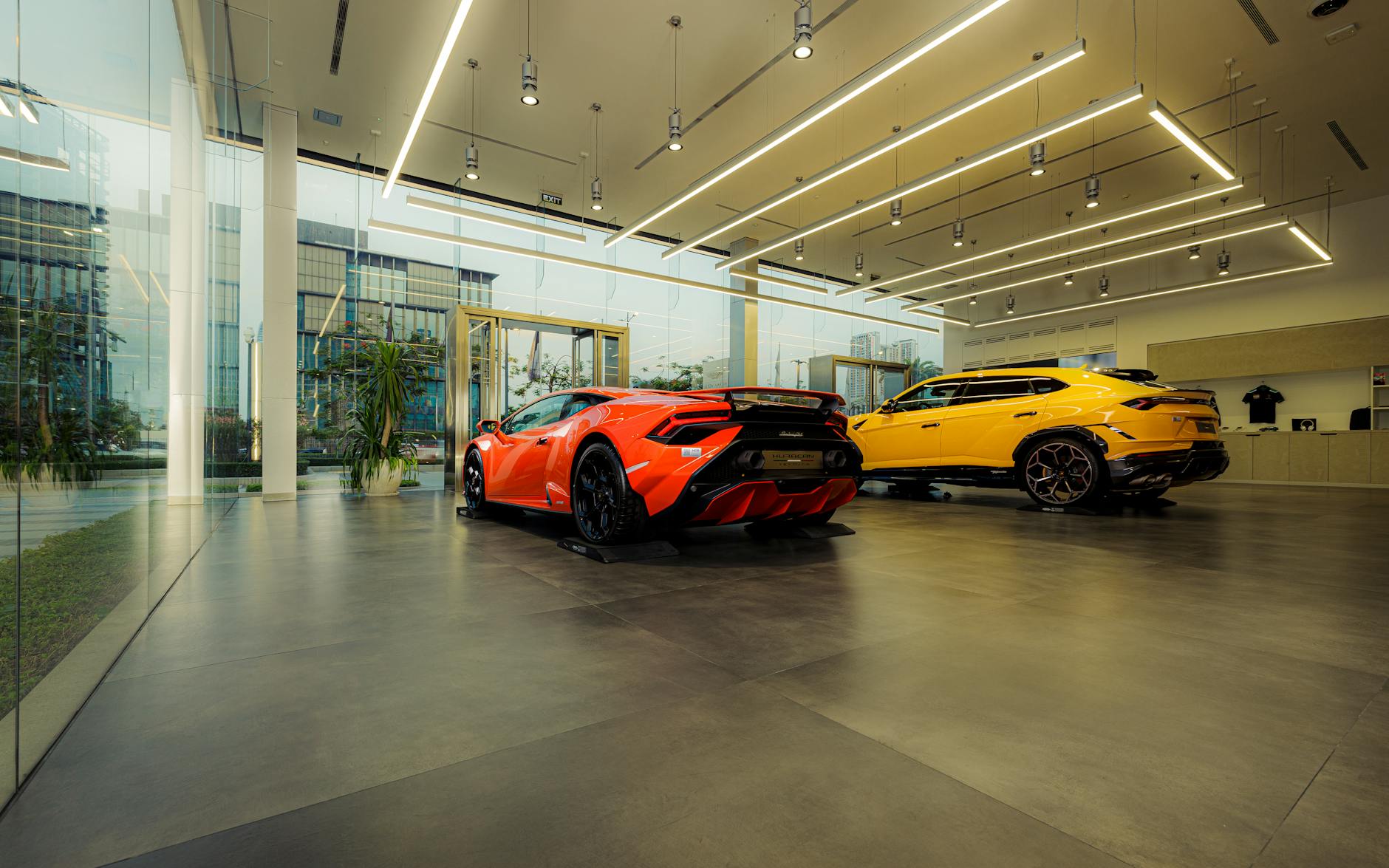
The convergence of luxury automotive brands with ride-sharing platforms represents a permanent shift in how premium transportation services are delivered and consumed. As urban mobility continues evolving away from individual ownership models, luxury manufacturers who successfully navigate this transition will capture disproportionate value in emerging transportation ecosystems. The brands that master this balance between exclusivity and accessibility will define the next generation of luxury mobility, making today’s partnerships the foundation for tomorrow’s automotive landscape.
Frequently Asked Questions
Why are luxury car brands partnering with ride-sharing companies?
To expand market reach beyond traditional buyers while maintaining premium positioning as ownership models evolve toward shared mobility.
Which luxury brands are most active in ride-sharing partnerships?
Mercedes-Benz, BMW, and Audi lead with specialized financing, maintenance programs, and driver incentives for ride-share operators.