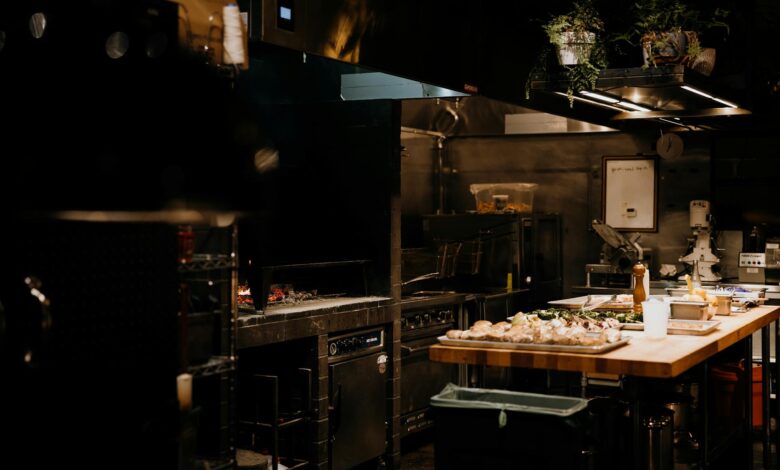
A cardboard delivery box sits on a pristine steel counter next to a smartphone displaying multiple food apps. No dining room, no servers, no customers walking through the door. This scene plays out in thousands of commercial kitchens across America, where restaurants exist only in the digital realm.
Ghost kitchens have emerged as one of the fastest-growing segments in the food industry, fundamentally reshaping how restaurants operate and deliver food to consumers. These delivery-only establishments, also known as virtual kitchens or cloud kitchens, strip away traditional restaurant elements like dining rooms and front-of-house staff, focusing exclusively on food preparation and delivery fulfillment.
The model gained significant traction during the pandemic when dining restrictions forced restaurants to pivot quickly. Now, even as dining rooms have reopened, many operators continue expanding their ghost kitchen operations, recognizing the model’s potential to reduce overhead costs while reaching customers across wider geographic areas.
The Economics Behind the Kitchen Revolution
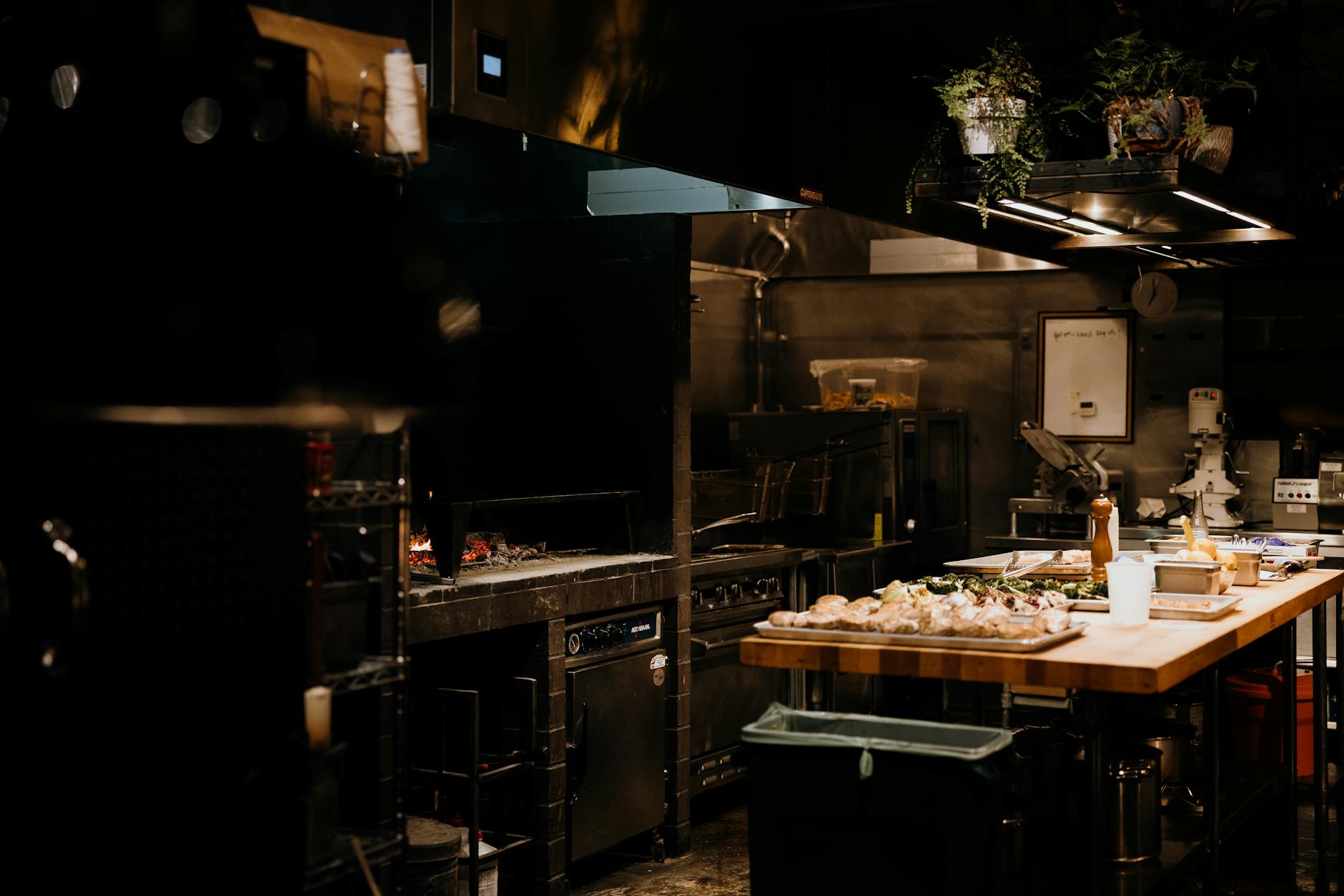
Traditional restaurants face mounting pressure from rising commercial real estate costs, labor shortages, and changing consumer preferences. Ghost kitchens offer a compelling alternative by eliminating many of these expenses. Without dining rooms, restaurants can operate from smaller, cheaper industrial spaces, often sharing facilities with multiple brands.
Kitchen United, one of the largest ghost kitchen operators, runs facilities where brands like Dog Haus, The Halal Guys, and Fuku operate side by side. These shared commercial kitchens can reduce startup costs by 70 percent compared to traditional restaurants, according to industry reports.
Labor costs also decrease significantly. Ghost kitchens typically require fewer employees since they don’t need servers, hosts, or bussers. The streamlined operation focuses entirely on kitchen staff and delivery coordination, allowing restaurants to operate with leaner teams while maintaining food quality.
Major restaurant chains have taken notice. Chick-fil-A launched its first delivery-only locations in Nashville and Louisville, testing the waters for expansion into markets where traditional locations might not be viable. Similarly, Sweetgreen has experimented with ghost kitchen formats to serve areas outside their typical urban markets.
Technology Integration and Multi-Brand Operations
Ghost kitchens rely heavily on technology platforms to manage orders, inventory, and delivery logistics. Many operators use sophisticated systems that can handle multiple restaurant brands from a single location, maximizing kitchen utilization throughout the day.
CloudKitchens, backed by Uber co-founder Travis Kalanick, provides turnkey ghost kitchen solutions that include point-of-sale systems, kitchen equipment, and integration with delivery apps like DoorDash, Uber Eats, and Grubhub. This technological infrastructure allows restaurants to launch new concepts quickly without significant upfront investment.
Some ghost kitchens operate dozens of virtual brands from a single location. Virtual Dining Concepts has created celebrity-endorsed brands like MrBeast Burger and Mariah’s Cookies, which exist only as ghost kitchen concepts available through delivery apps. These brands can launch nationwide almost instantly by partnering with existing restaurant kitchens.
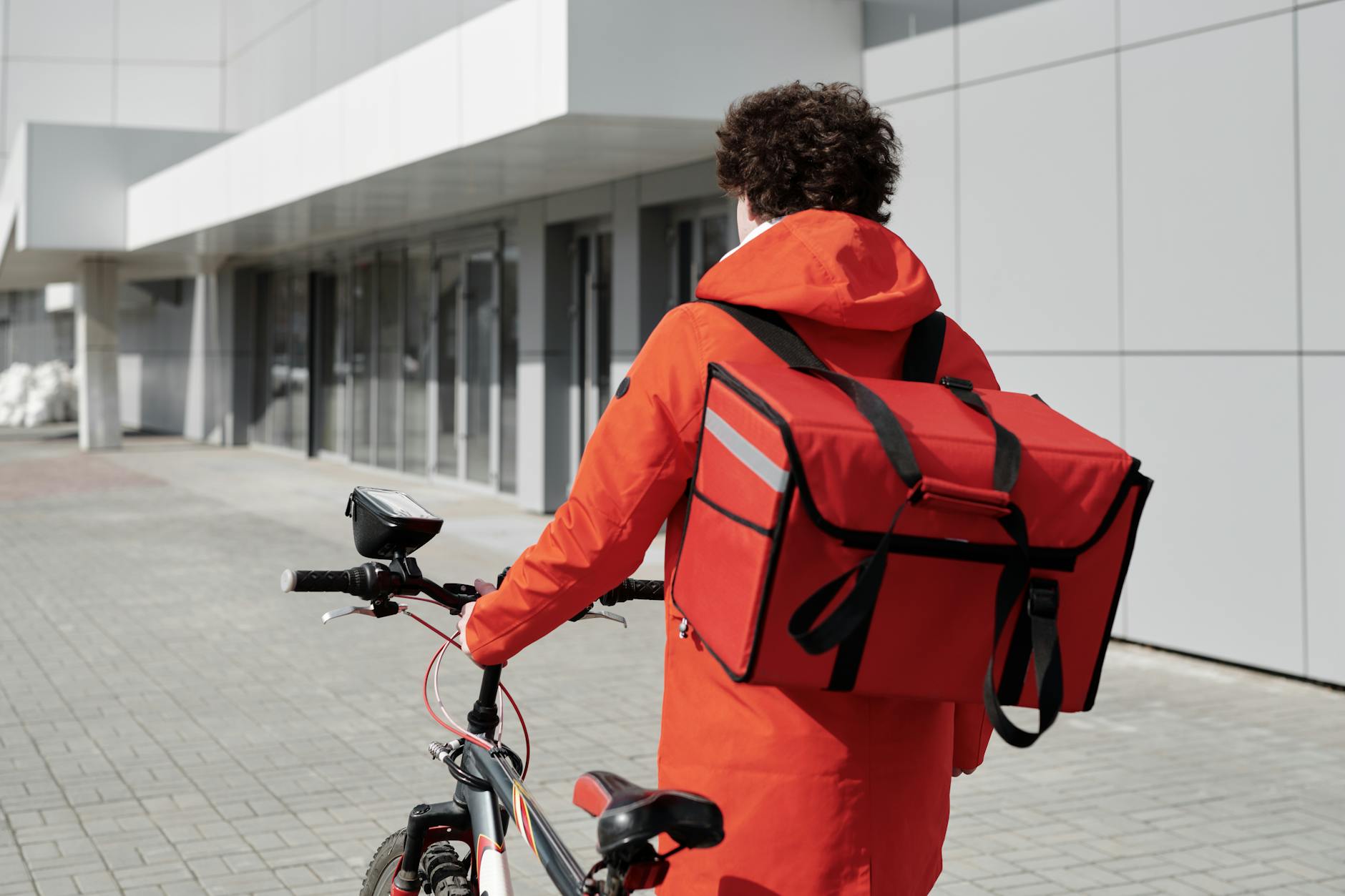
The multi-brand approach also helps operators capture different meal occasions and customer segments. A single ghost kitchen might serve breakfast burritos under one brand name, gourmet burgers under another, and healthy bowls under a third, all from the same kitchen space.
Challenges and Market Realities
Despite their rapid growth, ghost kitchens face significant challenges that traditional restaurants don’t encounter. Customer acquisition costs through delivery apps can be substantial, with platforms typically taking 15-30 percent commission on orders. This creates pressure on profit margins that ghost kitchens must offset through operational efficiency.
Quality control presents another hurdle. Without face-to-face customer interaction, ghost kitchens must rely on packaging, delivery timing, and food consistency to maintain brand reputation. Poor delivery experiences can damage a brand’s reputation more quickly than traditional restaurant service issues.
Some markets have become oversaturated with ghost kitchen concepts, leading to increased competition and marketing costs. Cities like Los Angeles and New York now have hundreds of ghost kitchen brands competing for customer attention on delivery platforms.
Consumer skepticism also poses challenges. Some customers prefer knowing the physical location of their food preparation, and the proliferation of virtual brands has created confusion about which restaurants actually exist as standalone establishments.
Regulatory challenges are emerging as well. Some cities have implemented zoning restrictions on ghost kitchens, while others require clearer disclosure of virtual brand relationships to consumers.
Industry Transformation and Future Outlook
The ghost kitchen model is driving broader changes across the restaurant industry, similar to how major airlines are abandoning traditional hub-and-spoke models in favor of more efficient direct routes. Restaurants are increasingly viewing delivery as a separate revenue stream that requires dedicated operational focus.
Traditional restaurant chains are launching ghost kitchen extensions of their brands, while pure-play ghost kitchen operators are scaling rapidly. Reef Technology operates over 4,500 ghost kitchen locations across North America, partnering with brands like Wendy’s and TGI Fridays to extend their delivery reach.
The integration of artificial intelligence and predictive analytics is becoming more sophisticated, allowing ghost kitchens to optimize menu offerings based on local demand patterns and seasonal trends. Some operators use data to determine which virtual brands to launch in specific markets based on demographic analysis and competitor mapping.
Looking ahead, ghost kitchens are likely to become permanent fixtures in the restaurant landscape rather than a temporary pandemic response. The model’s efficiency advantages and consumer acceptance of delivery-first dining suggest continued growth, particularly in suburban markets where traditional restaurant density is lower.
As the industry matures, successful ghost kitchen operators will likely be those that can balance operational efficiency with food quality and brand differentiation. The restaurants that master this equation may find themselves leading a fundamental shift in how Americans think about dining out – even when they’re staying in.
Frequently Asked Questions
What exactly is a ghost kitchen?
A ghost kitchen is a delivery-only restaurant that operates without a dining room, focusing exclusively on food preparation for delivery apps.
How do ghost kitchens reduce restaurant costs?
They eliminate expensive dining room real estate and front-of-house staff while operating from cheaper industrial kitchen spaces.