How Food Delivery Apps Are Partnering with Grocery Stores for Instant Commerce

The Death of the One-Hour Grocery Run
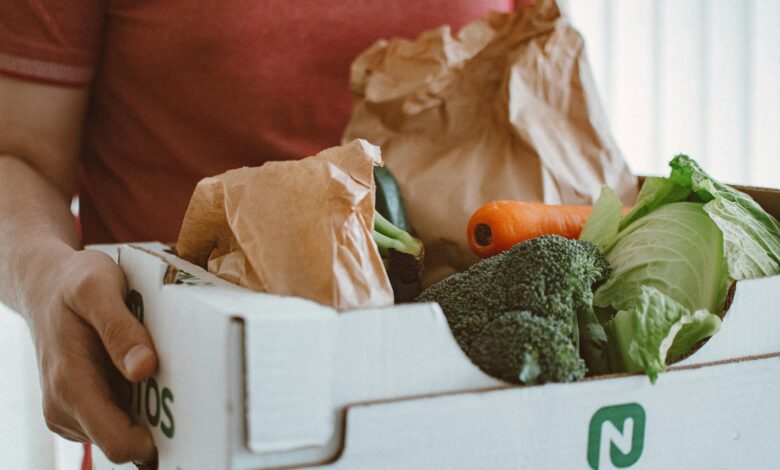
Twenty minutes. That’s how long it takes for a bag of groceries to reach your door in Manhattan’s Upper West Side through Gopuff’s partnership with local bodegas. What once required a trip to the store, searching for parking, and standing in checkout lines now happens faster than most people can decide what to watch on Netflix.
Food delivery apps have evolved far beyond restaurant meals. DoorDash, Uber Eats, Instacart, and newcomers like Gopuff are forging partnerships with major grocery chains, transforming corner stores and supermarkets into instant commerce hubs. These alliances represent a fundamental shift in how Americans shop for everyday essentials, creating a new battlefield where convenience stores compete with Walmart and local markets challenge Amazon Fresh.
The pandemic accelerated this transformation, but the driving force runs deeper. Consumer behavior has permanently shifted toward on-demand everything, and grocery stores are racing to meet customers where they are: on their phones, expecting immediate gratification.
Major Players Making Strategic Moves
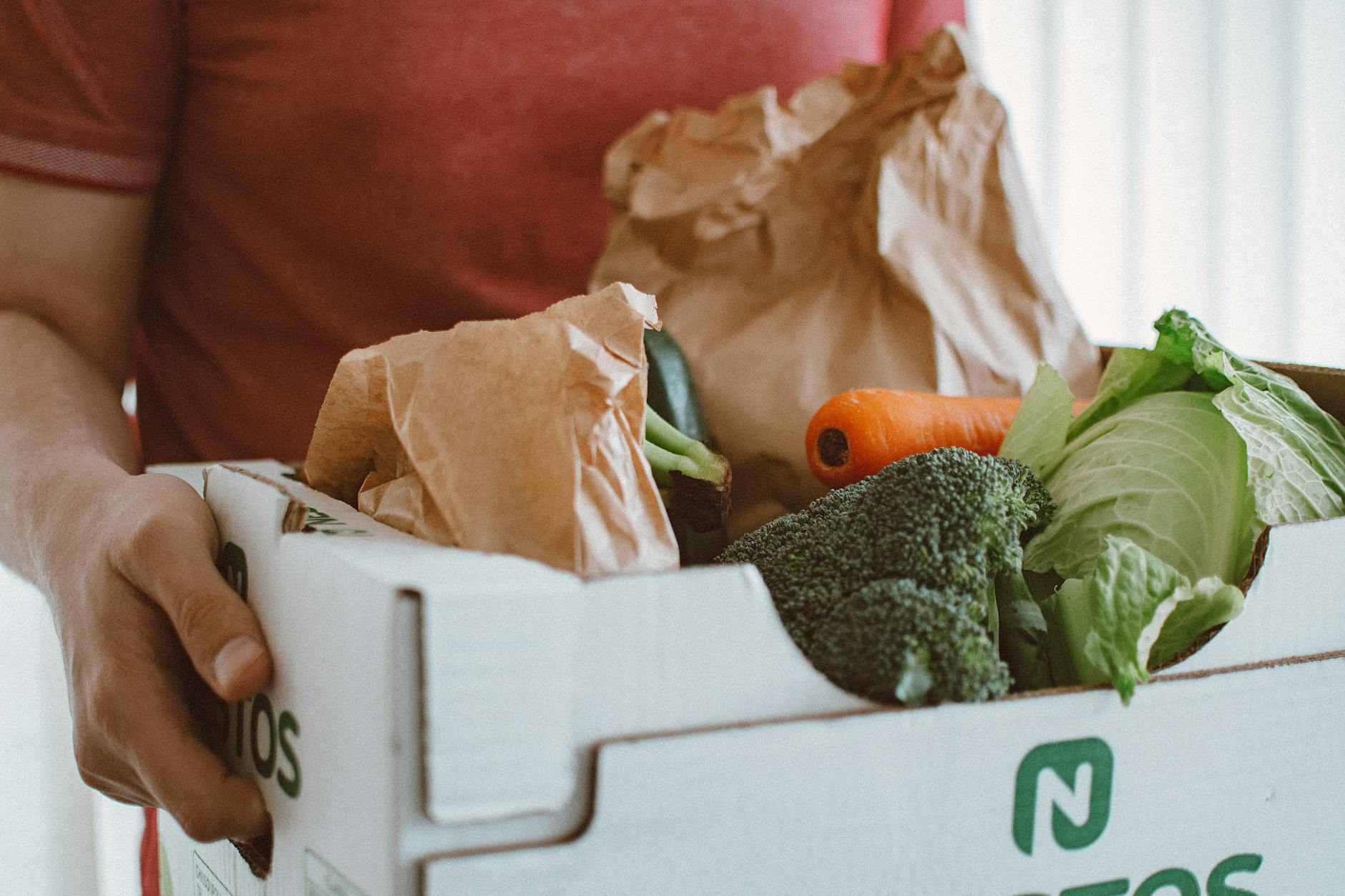
DoorDash leads the charge with partnerships spanning Walgreens, CVS, 7-Eleven, and regional grocery chains like Hy-Vee. The company’s DashMart concept takes this further, operating its own fulfillment centers stocked with grocery essentials and restaurant supplies. These dark stores serve as distribution hubs, eliminating the need for customers to enter physical retail spaces.
Uber Eats has focused on premium partnerships, working with Whole Foods Markets in select cities and forging deals with specialty retailers. Their strategy targets affluent urban consumers willing to pay delivery premiums for organic produce and artisanal products delivered within the hour.
Instacart, the original grocery delivery pioneer, has expanded beyond its traditional model of personal shoppers picking items in stores. The company now operates fulfillment centers and partners with retailers like Costco, Target, and Kroger for rapid delivery of bulk items and household goods.
Gopuff represents the pure-play instant commerce model, operating its own micro-fulfillment centers stocked with convenience store items, snacks, beverages, and basic groceries. The company has acquired local delivery services in major metropolitan areas, creating a network capable of 30-minute delivery windows.
The Economics of Instant Gratification
These partnerships solve critical problems for both sides of the equation. Grocery stores gain access to younger demographics who rarely set foot in physical locations, while delivery platforms expand their order frequency and basket sizes beyond restaurant meals.
For retailers, the mathematics are compelling. Traditional grocery margins hover around 2-3%, but delivery partnerships can boost revenue per square foot by utilizing existing inventory for multiple sales channels. A gallon of milk sold through DoorDash generates the same profit as one sold in-store, but reaches customers who might otherwise shop at competitors.
Delivery platforms benefit from grocery partnerships because food items generate higher order frequency than restaurant meals. A customer might order dinner twice per week but needs milk, bread, and cleaning supplies multiple times weekly. This frequency drives customer lifetime value and reduces marketing costs.
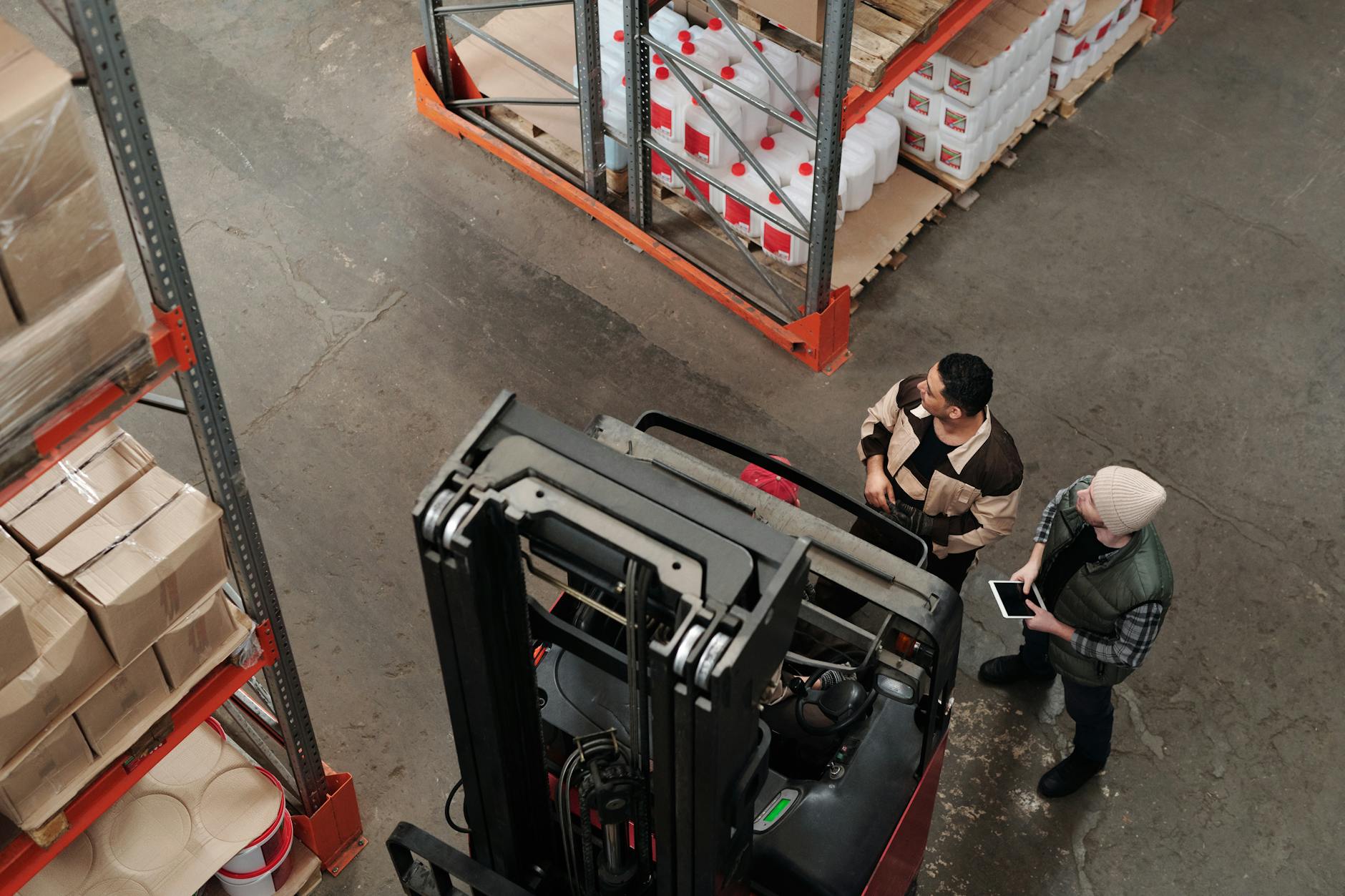
The operational challenges are significant. Grocery delivery requires different logistics than restaurant food. Fresh produce needs careful handling, frozen items require temperature-controlled transport, and heavy products like laundry detergent impact delivery efficiency. Companies are investing heavily in specialized packaging, refrigerated vehicles, and training programs for drivers handling perishable goods.
Regional variations also matter. What works in dense urban markets like New York or San Francisco may fail in suburban Denver or rural Texas. Delivery companies are adapting their models accordingly, partnering with different types of retailers based on local shopping patterns and infrastructure.
Technology Driving the Transformation
Behind these partnerships lies sophisticated technology infrastructure. Predictive algorithms analyze purchasing patterns to pre-position popular items in fulfillment centers closest to likely customers. Machine learning optimizes delivery routes, considering factors like traffic patterns, driver locations, and order prioritization.
Inventory management systems now sync between grocery store point-of-sale systems and delivery app catalogs in real-time. When a store runs out of a specific brand of yogurt, the app automatically removes it from availability or suggests alternatives. This integration prevents the frustration of ordered items being unavailable when drivers arrive for pickup.
Some partnerships are experimenting with automated fulfillment technology. Micro-fulfillment centers use robotic systems to pick and pack common grocery items, reducing labor costs and improving speed. These facilities can process hundreds of orders per hour, enabling the ultra-fast delivery windows that define instant commerce.
Customer apps have evolved to support grocery shopping behaviors. Features like shopping lists, reorder functionality, and dietary preference filtering make mobile grocery shopping more intuitive than wandering store aisles. Voice ordering through smart speakers adds another layer of convenience, particularly for routine purchases like household staples.
What This Means for Traditional Retail
Traditional grocery chains face a critical decision: embrace delivery partnerships or risk losing market share to more agile competitors. Many are choosing hybrid approaches, maintaining their physical footprint while leveraging delivery platforms to reach new customers.
This trend parallels broader retail evolution, similar to how subscription box companies are pivoting to physical retail stores to create omnichannel experiences. The most successful retailers are those adapting their business models to meet customers across multiple touchpoints.
Independent grocery stores and specialty food retailers benefit disproportionately from these partnerships. A local organic market that previously served only neighborhood customers can now reach the entire metropolitan area through delivery apps. This democratization of distribution channels levels the playing field against large chain competitors.
Consumer expectations continue rising. Today’s 30-minute delivery window will seem slow when 15-minute delivery becomes standard. Companies are already testing drone delivery for light grocery items and autonomous vehicle programs for routine deliveries in suburban areas.
The grocery delivery landscape will likely consolidate around a few major platforms, similar to ride-sharing market dynamics. Success will depend on execution speed, geographic coverage, and the ability to maintain unit economics while delivering ever-faster service. For consumers, this competition means more convenience, better prices, and innovative services that make traditional grocery shopping feel increasingly obsolete.
Frequently Asked Questions
Which food delivery apps partner with grocery stores?
DoorDash, Uber Eats, Instacart, and Gopuff all have partnerships with major grocery chains and convenience stores for instant delivery.
How fast can grocery items be delivered through these apps?
Delivery times range from 15-30 minutes in urban areas, with some services offering same-hour delivery of essential items.