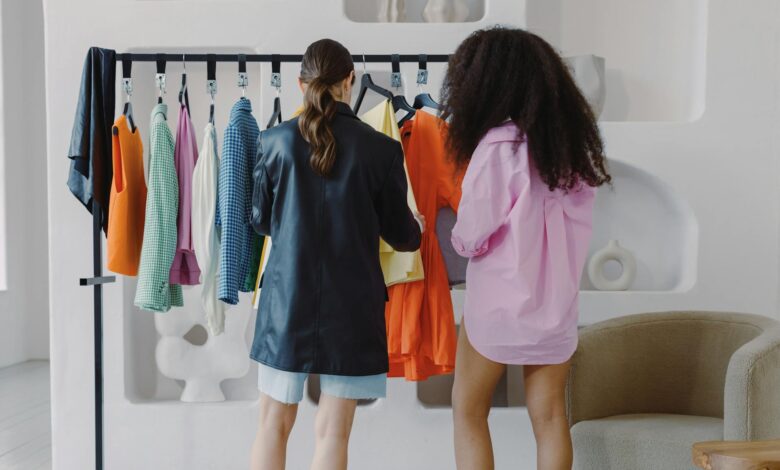
The fashion industry’s most notorious players are scrambling to reinvent themselves as consumers increasingly reject throwaway culture. Major fast fashion chains that built empires on $5 tops and trend-chasing impulse buys now face a generation that values experiences over ownership and sustainability over speed.
The shift represents more than a trend adjustment-it’s a fundamental business model transformation. Companies like H&M, Zara, and Urban Outfitters are quietly testing rental programs, subscription services, and circular fashion initiatives as traditional retail sales plateau and environmental scrutiny intensifies.
The Economics Behind the Pivot
Fast fashion’s traditional model thrives on volume and velocity. Produce cheaply, sell quickly, repeat endlessly. But this approach faces mounting pressure from multiple directions. Gen Z consumers increasingly view constant clothing purchases as wasteful, preferring to invest in experiences or high-quality pieces they’ll actually wear repeatedly.
The numbers tell the story. Clothing utilization has decreased by 36% over the past 15 years, according to the Ellen MacArthur Foundation. Meanwhile, the rental fashion market is projected to reach $2.3 billion by 2028, growing at 10% annually.
H&M’s rental pilot program in Stockholm launched quietly in 2019, allowing customers to rent special occasion wear for a fraction of retail price. The Swedish retailer expanded trials to include everyday pieces, testing whether consumers would pay monthly fees for rotating wardrobes instead of making individual purchases.
Urban Outfitters partnered with rental platform Nuuly, investing in a subscription model where customers pay $88 monthly for six items. The program targets their core demographic of college students and young professionals who want variety without commitment or storage challenges.
Even Zara’s parent company Inditex has explored rental options, though more cautiously than competitors. Their focus remains on improving supply chain sustainability while testing small-scale rental programs in select European markets.
Technology Enabling the Transformation
The rental business model requires sophisticated logistics that fast fashion companies never needed before. Tracking individual garments through multiple users, managing cleaning and repair processes, and maintaining inventory across different size ranges demands new operational capabilities.
Several companies are partnering with established rental platforms rather than building infrastructure from scratch. This approach allows them to test market demand while avoiding massive upfront investments in warehousing, cleaning facilities, and reverse logistics networks.
Smart tagging technology helps track rental inventory, while AI algorithms predict demand patterns for different styles and sizes. Some retailers are experimenting with virtual fitting rooms to reduce returns, a critical factor when rental margins are typically thinner than traditional retail.
The cleaning and maintenance aspect presents unique challenges. Rental items must be professionally cleaned and inspected between uses, adding operational costs that traditional fast fashion never factored into pricing models. Companies are investing in partnerships with industrial cleaning services and developing quality control processes to maintain garment condition across multiple rental cycles.

Consumer Response and Market Adaptation
Early adopters of fashion rental services tend to be urban millennials and Gen Z consumers living in smaller spaces who value variety over ownership. These demographics align well with fast fashion’s traditional customer base, but their shopping behaviors differ significantly.
Rental customers typically engage more thoughtfully with fashion choices, since they’re committing to items for specific time periods rather than making impulse purchases. This shift challenges fast fashion companies to curate selections more carefully and focus on pieces that photograph well for social media-a key driver in rental decisions.
The subscription model also changes customer relationships fundamentally. Instead of sporadic transactions, companies maintain ongoing monthly relationships with rental subscribers. This provides more predictable revenue streams but requires higher customer service standards and more sophisticated retention strategies.
Some retailers are discovering that rental programs can actually drive traditional sales. Customers who rent items they love often return to purchase similar pieces at full price, essentially using rental as an extended trial period. This “try before you buy” aspect has led several companies to integrate rental options directly into their main retail operations rather than treating them as separate ventures.
Customer feedback indicates strong interest in rental options for special occasions and trend pieces, but less enthusiasm for basics like undergarments or heavily worn items like jeans. This insight is shaping how companies structure their rental inventories and pricing strategies.
Challenges and Industry Resistance
The transition to rental models faces significant internal resistance within fast fashion companies. Rental revenue per item is typically lower than traditional sales, and the operational complexity increases dramatically. Shareholders accustomed to fast fashion’s historically high margins question whether rental programs can generate comparable returns.
Supply chain partnerships also require renegotiation. Traditional fast fashion relies on overseas manufacturing with minimal quality requirements-if an item falls apart after a few wears, customers simply buy replacements. Rental items must withstand multiple users and cleaning cycles, potentially requiring higher-quality materials and construction standards that increase costs.
Similar to how major retailers are transforming their customer identification systems, fashion companies must invest heavily in new technologies and operational processes. The infrastructure required for rental programs represents a significant departure from their core competencies in trend identification and rapid production.
Regulatory challenges are emerging as rental programs expand. Consumer protection laws vary significantly across markets, and companies must navigate different requirements for rental contracts, damage policies, and return procedures. Some regions are considering legislation specifically addressing fashion rental services, creating additional compliance complexity.

The rental pivot also faces competition from established players like Rent the Runway and Le Tote, who built their operations around rental from the beginning. These companies possess operational expertise and customer relationships that fast fashion retailers must work to replicate while maintaining their traditional business lines.
Future Market Implications
The fashion industry’s rental evolution signals broader changes in consumer behavior and business model innovation. Companies that successfully navigate this transition may find themselves better positioned for long-term growth as ownership-based consumption patterns continue shifting.
Success will likely require hybrid approaches combining traditional retail with rental options, subscription services, and resale programs. The most adaptable companies are already testing multiple models simultaneously, using customer data to identify which approaches work best for different product categories and customer segments.
As rental programs mature, they may fundamentally alter fashion production cycles. Instead of creating hundreds of new styles each season, companies might focus on smaller collections of higher-quality pieces designed for multiple users and longer lifecycles.
The rental transformation represents more than operational adjustment-it’s a fundamental reimagining of how fashion companies create value in an increasingly sustainability-conscious market. Those that embrace the change may discover new revenue streams and customer relationships, while those that resist risk obsolescence in rapidly evolving retail landscape.
Frequently Asked Questions
Why are fast fashion companies switching to rental models?
Consumer preferences are shifting toward sustainability and experiences over ownership, while traditional fast fashion sales plateau amid environmental concerns.
Which fast fashion brands offer rental services?
H&M has rental pilots in Stockholm, Urban Outfitters partnered with Nuuly for subscriptions, and Zara’s parent company Inditex is testing select programs.