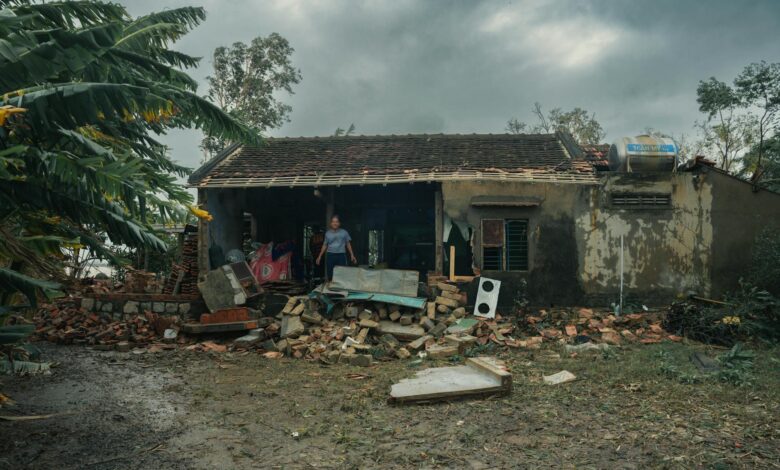
A century-old insurance company that survived the Great Depression and two world wars couldn’t withstand Hurricane Ian. Florida Peninsula Insurance became the eighth regional insurer to collapse in the Sunshine State since 2022, leaving 100,000 policyholders scrambling for coverage as climate disasters push smaller companies past their breaking point.
The regional insurance crisis extends far beyond Florida’s hurricane-battered coastlines. From California’s wildfire zones to Texas tornado alleys, mid-sized insurance providers are buckling under unprecedented claim volumes that dwarf their reserves and reinsurance coverage. These companies, which traditionally served as affordable alternatives to national giants, now face an existential threat that’s reshaping America’s insurance landscape.
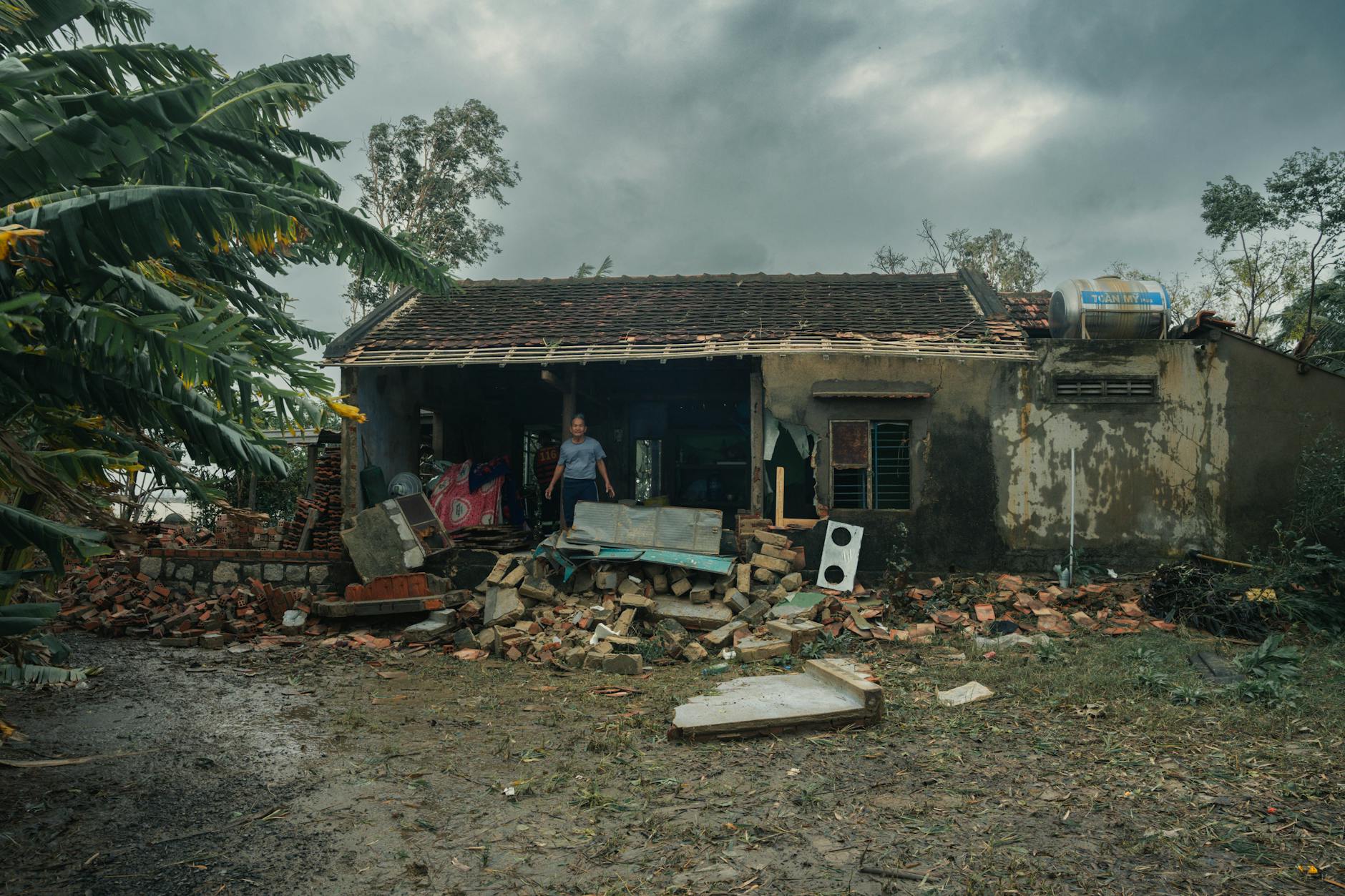
The Perfect Storm of Climate Claims
Regional insurers built their business models on predictable risk patterns that no longer exist. Hurricane Ian alone generated over $112 billion in losses across Florida, with many smaller companies paying out claims exceeding their annual premiums collected over multiple years. United Property & Casualty, which served 180,000 Florida customers, folded after Ian claims depleted reserves that took decades to accumulate.
The frequency and intensity of extreme weather events have fundamentally altered actuarial calculations. Colorado’s Marshall Fire in 2021 destroyed nearly 1,100 homes in a single day, overwhelming regional carriers who assumed wildfire risk was confined to forested areas. The fire jumped highways and consumed suburban neighborhoods, catching insurers unprepared for urban wildfire scenarios.
Texas presents another cautionary tale. The February 2021 winter storm caused $195 billion in damages, with regional insurers facing claims for burst pipes, roof collapses, and business interruptions they never anticipated in a typically warm climate. Lone Star Insurance, a regional provider serving rural Texas communities for 40 years, filed for receivership after winter storm claims exceeded three years of collected premiums.
Reinsurance costs have skyrocketed as global reinsurers reassess climate risk. Regional insurers, who rely heavily on reinsurance to spread catastrophic losses, now pay premiums that can consume 40-60% of their revenue. Many smaller companies can’t afford adequate reinsurance coverage, leaving them exposed to the full brunt of major disasters.
The Domino Effect on Local Communities
When regional insurers collapse, the ripple effects devastate local communities. Homeowners suddenly find themselves with worthless policies just as they need coverage most. After Florida Peninsula’s failure, thousands of policyholders discovered their claims would be transferred to the state’s insurer of last resort, Citizens Property Insurance, which already covers 1.2 million high-risk properties.
The consolidation forces consumers toward national carriers like State Farm and Allstate, which increasingly restrict coverage in high-risk areas. State Farm stopped writing new homeowner policies in California, while Allstate pulled back from Louisiana’s hurricane-prone parishes. This retreat leaves residents with limited options and escalating premiums from the remaining carriers willing to write coverage.
Small businesses suffer disproportionately when regional insurers fail. These companies often provided specialized coverage for local industries like farming, fishing, and tourism. When Gulfstream Property & Casualty collapsed in Louisiana, hundreds of shrimp boat operators lost their hull and equipment coverage, threatening an entire industry already struggling with environmental challenges.

Local insurance agents, many of whom spent decades building relationships with regional carriers, face career upheaval. Independent agents specializing in regional company products must rebuild their business models around national carriers with different underwriting requirements and commission structures. Some rural areas now lack any local insurance representation as agents relocate or retire rather than adapt.
The housing market feels immediate impacts when insurance becomes scarce or unaffordable. Real estate transactions stall when buyers can’t secure coverage, and property values decline in areas deemed too risky by insurers. Florida’s real estate market experienced significant cooling in 2023 as insurance availability tightened following multiple carrier failures.
Regulatory Responses and State Interventions
State insurance commissioners scramble to prevent further collapses while protecting consumers from abandoned policies. Florida created a $2 billion reinsurance fund to help stabilize remaining carriers, while California established new regulations allowing insurers to factor climate projections into rate calculations.
Emergency assessment programs spread the cost of failed insurers across remaining companies and policyholders. When Louisiana Citizens Property Insurance faced a $1.3 billion deficit from Hurricane Ida claims, the state implemented assessments on all property insurance policies statewide. These assessments, effectively hidden taxes, increase insurance costs for everyone while highlighting the systemic nature of the crisis.
Some states pursue public option insurance programs. Washington State launched a public earthquake insurance program after private carriers reduced coverage following updated seismic risk assessments. Colorado legislators considered a state-sponsored wildfire insurance pool after multiple regional carriers restricted coverage in the wildland-urban interface.
Regulators increasingly scrutinize insurer financial health through enhanced stress testing and capital requirements. New solvency standards require companies to maintain reserves adequate for multiple catastrophic events, but these requirements may price smaller carriers out of the market entirely. How extreme heat warnings are changing summer school calendar policies reflects similar adaptation challenges institutions face with climate change.
The regulatory response varies dramatically by state political climate. Republican-led states often resist rate increases that might make insurance affordable for carriers, while Democratic states implement stricter environmental regulations that can increase compliance costs for insurers. This patchwork approach complicates national carriers’ strategies and leaves regional insurers caught between conflicting requirements.
The Road Ahead: Adaptation or Extinction

Surviving regional insurers adopt radical strategies to remain viable. Some focus exclusively on low-risk inland areas, abandoning coastal and wildfire-prone regions entirely. Others embrace technology solutions like satellite imagery and artificial intelligence to better assess and price risk in real-time.
Parametric insurance represents one innovative approach gaining traction. Instead of traditional claims adjusting, these policies pay predetermined amounts when specific weather conditions occur, such as wind speeds exceeding certain thresholds or rainfall surpassing flood triggers. Regional insurers find parametric products easier to underwrite and faster to pay, reducing administrative costs and improving customer satisfaction.
Collaboration between insurers, government agencies, and technology companies produces new risk assessment tools. The Insurance Institute for Business & Home Safety partners with regional carriers to develop better building standards and risk mitigation strategies. These partnerships help smaller insurers access resources typically available only to national companies.
Climate adaptation infrastructure offers hope for stabilizing insurance markets. Communities investing in flood barriers, fire breaks, and resilient construction standards demonstrate measurably lower claim rates. Regional insurers increasingly offer premium discounts for properties meeting enhanced building codes or participating in community mitigation programs.
The insurance industry’s transformation mirrors broader economic shifts as climate change reshapes business fundamentals. Regional insurers that survive this transition will likely emerge as specialized providers serving specific niches or geographic areas with manageable risk profiles. Those that fail to adapt face the same fate as the century-old companies already consigned to history.
America’s insurance landscape is fragmenting along climate lines, with regional providers serving as canaries in the coal mine for broader economic vulnerabilities. Their struggle for survival reflects the mounting costs of extreme weather and the urgent need for comprehensive climate adaptation strategies that extend far beyond the insurance sector itself.
Frequently Asked Questions
Why are regional insurance companies failing more than national ones?
Regional insurers have smaller reserves and less diversification across geographic areas, making them more vulnerable to concentrated extreme weather losses.
What happens to policyholders when their insurance company fails?
Policies typically transfer to state guarantee associations or insurers of last resort, though coverage terms and claim processing may change significantly.