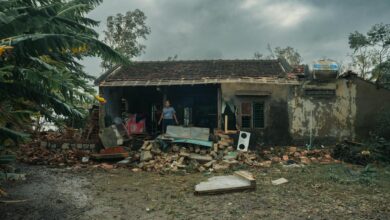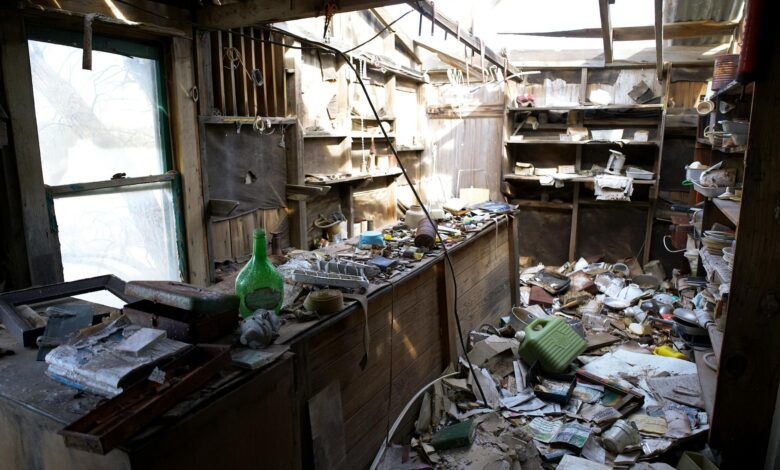
Paradise, California had 26,000 residents before the Camp Fire in 2018. Today, fewer than 12,000 people call it home. The pattern repeats across rural America, where extreme weather events are accelerating a demographic shift that threatens the survival of small communities nationwide.
Climate disasters no longer represent temporary setbacks for rural towns – they’ve become permanent population redistributors. When hurricanes, wildfires, floods, and tornadoes strike small communities repeatedly, residents face a brutal calculation: rebuild again or start over somewhere safer. Increasingly, they’re choosing to leave.
The trend extends far beyond California’s fire zones. Towns across the Gulf Coast, Midwest tornado corridors, and flood-prone river valleys are watching their populations drain away after each major weather event. Unlike urban areas with diverse economies and deep infrastructure investments, small towns often lack the resources to bounce back from catastrophic damage.
The Economics of Repeated Disaster
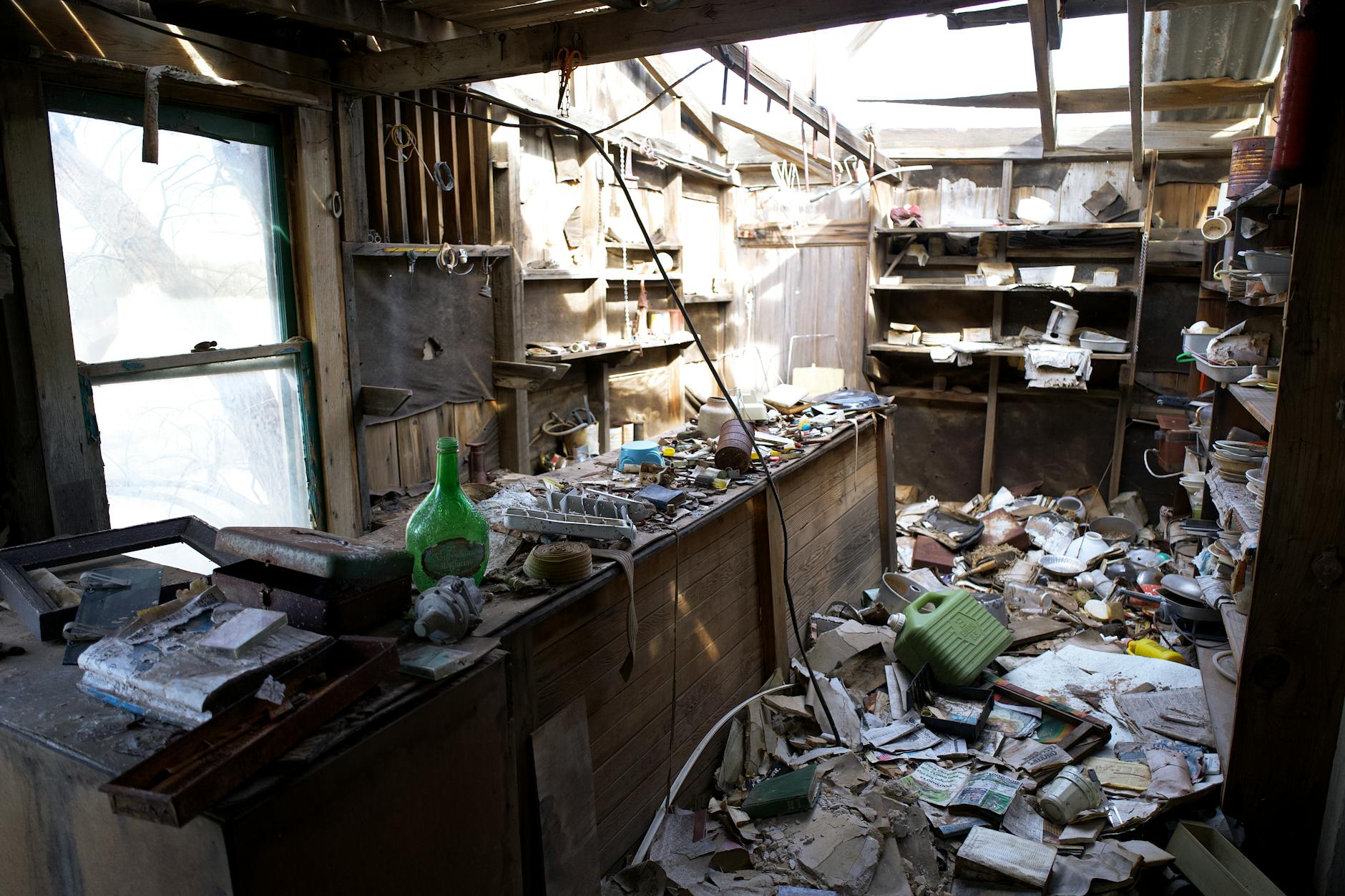
Small towns face unique vulnerabilities when extreme weather strikes. Their limited tax bases mean fewer resources for disaster preparation and recovery. When a tornado destroys Main Street businesses or flooding wipes out the local grain elevator, entire economic ecosystems collapse.
Cedar Rapids, Iowa experienced this reality after the 2008 floods submerged 10 square miles of the city. While the urban core eventually recovered, surrounding rural communities struggled to maintain population as agricultural businesses relocated and residents moved to areas with better flood protection.
The insurance crisis compounds these challenges. Regional insurance providers are increasingly unable to handle the volume of extreme weather claims, leaving many small-town residents without adequate coverage. When disasters hit, uninsured or underinsured families often have no choice but to relocate rather than rebuild.
Recovery timelines tell the story. Major cities typically restore basic services within weeks of a disaster, but small towns may go months without functioning hospitals, schools, or grocery stores. During these extended recovery periods, families establish new routines elsewhere – and many never return.
Young families with children face the most pressure to leave. Parents won’t risk keeping kids in areas where schools might close indefinitely or where basic services remain unreliable. This demographic exodus leaves behind aging populations with fewer resources and less mobility.
Infrastructure Collapse Accelerates Departure
Small towns operate on thin margins for essential services. When extreme weather damages water treatment plants, electrical grids, or communication systems, repairs can take months in communities with limited budgets and contractor availability.
Moore, Oklahoma has rebuilt after multiple devastating tornadoes, but each event triggers another wave of departures. The 2013 tornado that killed 24 people and destroyed entire neighborhoods accelerated an ongoing population decline that began with earlier storms. Families who might have stayed after one disaster decide to leave after experiencing multiple catastrophic events.
Rural hospitals face particular vulnerability. Many small-town medical facilities already operate at financial breaking points before disasters strike. When floods damage equipment or tornadoes destroy buildings, these hospitals often close permanently rather than rebuild. Without local healthcare, young families and elderly residents have fewer reasons to stay.
The digital divide worsens during recovery periods. Small towns frequently lack redundant internet infrastructure, so communication outages can persist for weeks. In an economy where remote work offers flexibility, prolonged connectivity issues push tech-enabled workers toward more reliable urban areas.
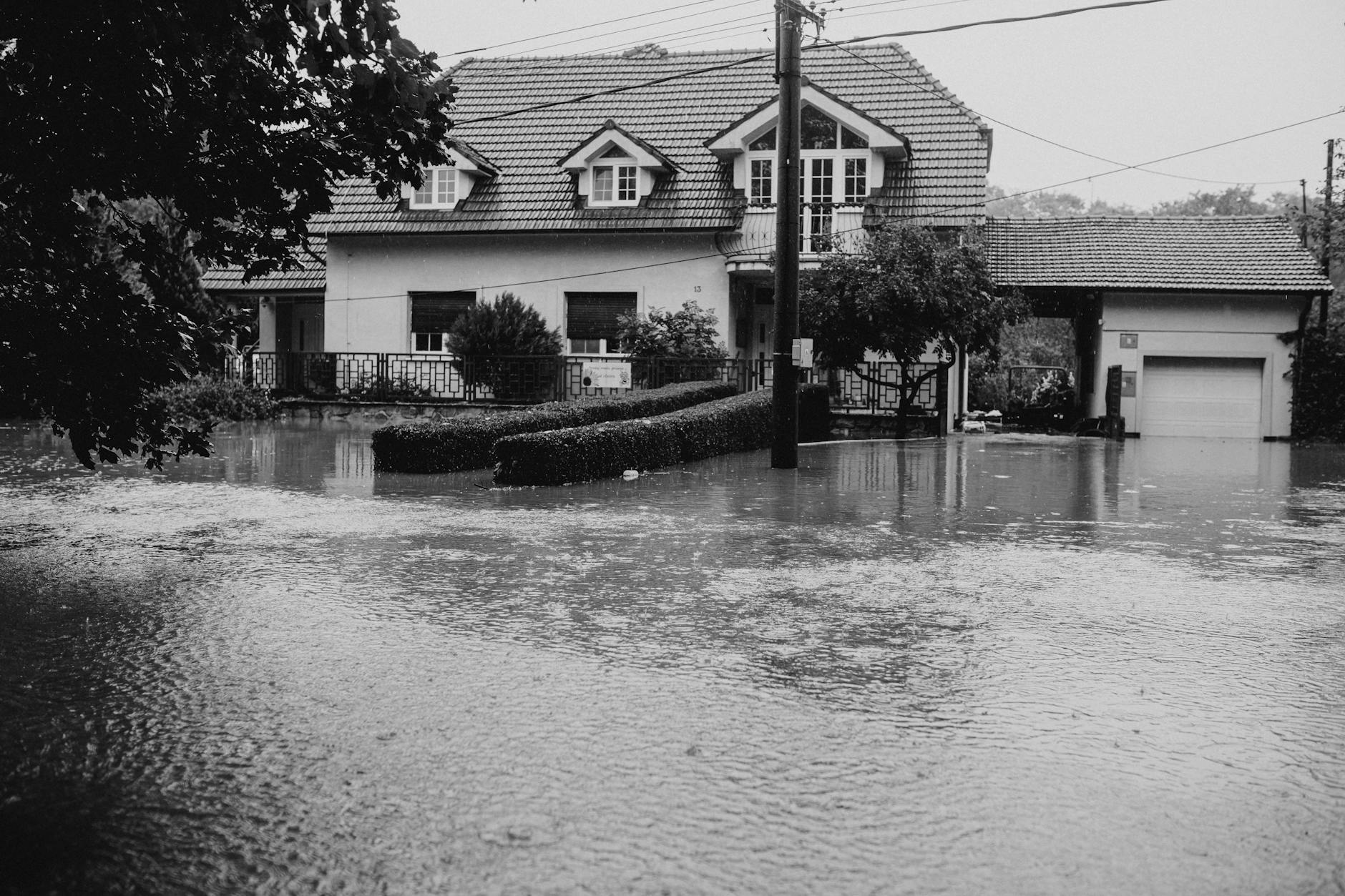
Transportation networks suffer disproportionate damage in rural areas. When flooding washes out bridges or tornadoes destroy sections of rural highways, small towns can become isolated for extended periods. These accessibility issues make it harder for businesses to operate and residents to maintain connections to regional job markets.
The School System Tipping Point
Nothing accelerates small-town population decline like school closures. When extreme weather events damage school buildings or force extended closures, families with children face immediate decisions about their futures.
School districts in disaster-prone areas struggle with declining enrollment even before storms hit. Parents increasingly choose to live in areas where their children won’t face repeated school disruptions from weather events. This creates a feedback loop where declining enrollment leads to reduced funding, which makes schools more vulnerable to closure after disasters.
Teacher retention becomes nearly impossible in frequently impacted areas. Educators won’t commit to districts where they might lose classrooms, materials, and paychecks due to weather events. The broader teacher shortage crisis hits disaster-prone rural areas hardest, creating educational instability that drives families away.
Sports programs and extracurricular activities – often the heart of small-town identity – become casualties of repeated disruptions. When high school football fields flood annually or when gymnasiums serve as emergency shelters multiple times per year, communities lose the cultural anchors that keep residents connected.
Agricultural Communities Face Unique Pressures
Farming communities experience weather-related population decline differently than other rural areas. Climate change is shifting agricultural viability across regions, making some traditional farming areas less productive while opening opportunities elsewhere.
Drought conditions in parts of the High Plains have pushed ranching families to sell and relocate after generations on the same land. These aren’t temporary relocations – they’re permanent shifts as water tables drop and traditional crops become unsustainable.
Flooding presents the opposite challenge in river valley communities. Repeated flood damage to agricultural land and equipment forces farming families to consider whether continuing operations makes financial sense. When crop insurance doesn’t cover the full cost of repeated replanting and equipment replacement, multi-generational farm families sometimes choose to sell and start over in less flood-prone regions.
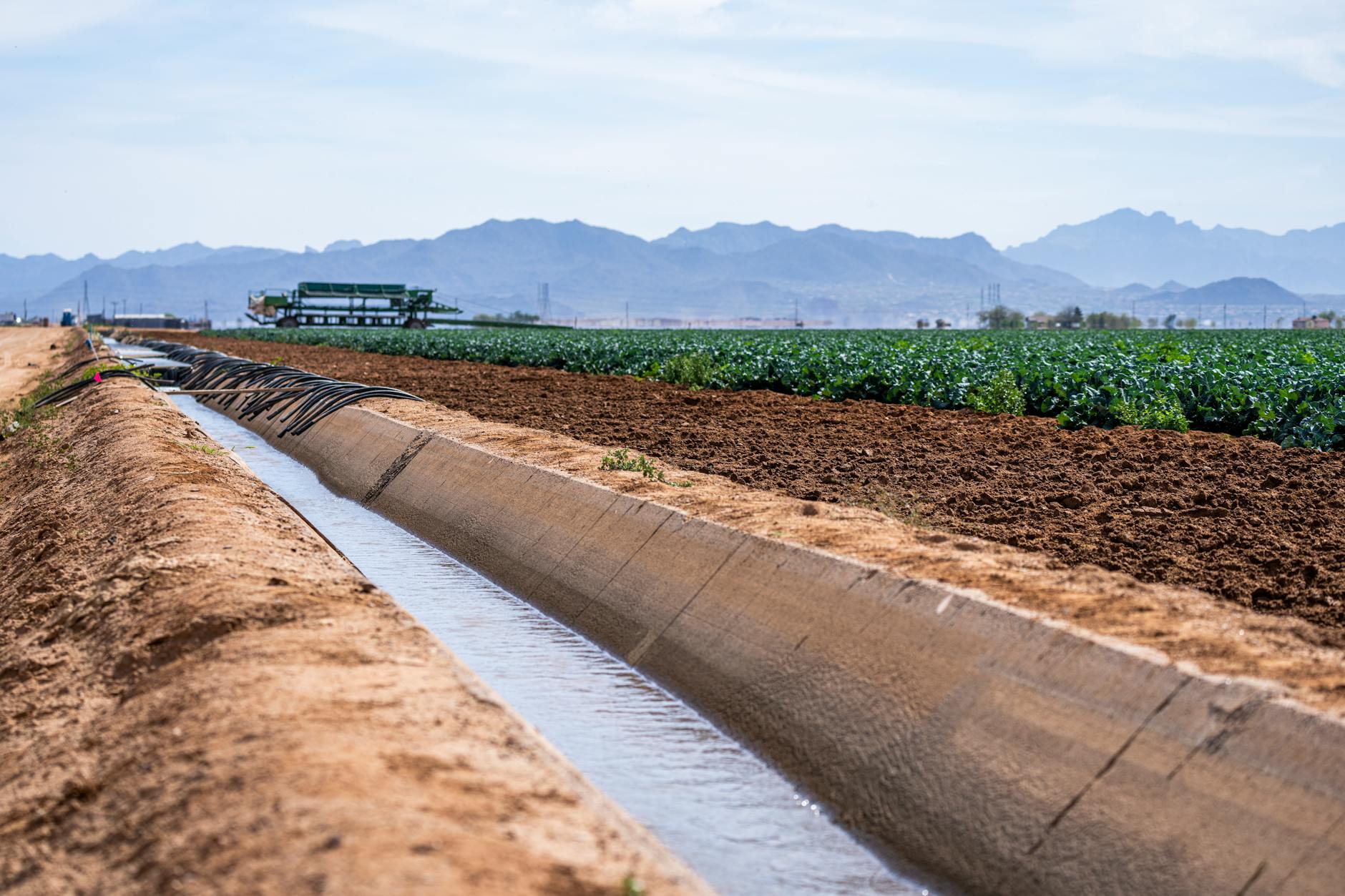
The support infrastructure for agricultural communities also faces pressure. When grain elevators, farm equipment dealers, and agricultural supply companies relocate after repeated weather damage, farming becomes less viable for those who remain. This creates another layer of economic pressure pushing rural residents toward urban areas or more climate-stable agricultural regions.
Small towns that depend entirely on agricultural economies have fewer options for diversification. Unlike communities with mixed economies, farming-dependent areas can’t easily replace lost agricultural businesses with other industries.
The acceleration of small-town population decline due to extreme weather represents more than demographic statistics – it signals a fundamental reshaping of American settlement patterns. Communities that survived the Great Depression, agricultural mechanization, and previous economic upheavals now face an existential challenge from increasingly unpredictable climate conditions.
The solutions require coordinated responses that go beyond traditional disaster relief. Small towns need pre-positioned resources, resilient infrastructure design, and economic diversification strategies that account for climate realities. Without proactive measures, the next decade will likely see hundreds more American small towns follow Paradise’s path from thriving community to cautionary tale.
Frequently Asked Questions
How do extreme weather events affect small town populations?
They force residents to choose between rebuilding repeatedly or relocating permanently, often leading to gradual population decline as families seek more stable areas.
Why are small towns more vulnerable to weather-related population loss than cities?
Small towns have limited resources for disaster recovery, less diverse economies, and fewer redundant services, making them harder to rebuild after disasters.