How Emergency Alert System Overuse Is Causing Public Desensitization to Actual Threats


Your phone buzzes with the familiar screech of an emergency alert. “AMBER Alert: Child abduction reported.” You glance at it briefly, then swipe it away without reading the details. Three hours later, another alert blares through your speakers during a meeting – this time about a flash flood warning for a county 200 miles away. By evening, your device erupts again with a “Silver Alert” for a missing elderly person in a neighboring state.
This scenario plays out millions of times daily across America, where emergency alert systems designed to save lives are instead creating a dangerous phenomenon: public desensitization to genuine threats. What began as a targeted warning system has evolved into an overcrowded digital space where critical information competes with routine notifications, potentially putting lives at risk when seconds matter most.
The proliferation of emergency alerts has reached unprecedented levels. Federal Communications Commission data shows that Wireless Emergency Alerts increased by more than 300% between 2018 and 2023, with some regions sending multiple alerts daily. This surge reflects both expanded alert categories and broader geographic distribution, but it’s creating unintended consequences that emergency management officials are struggling to address.
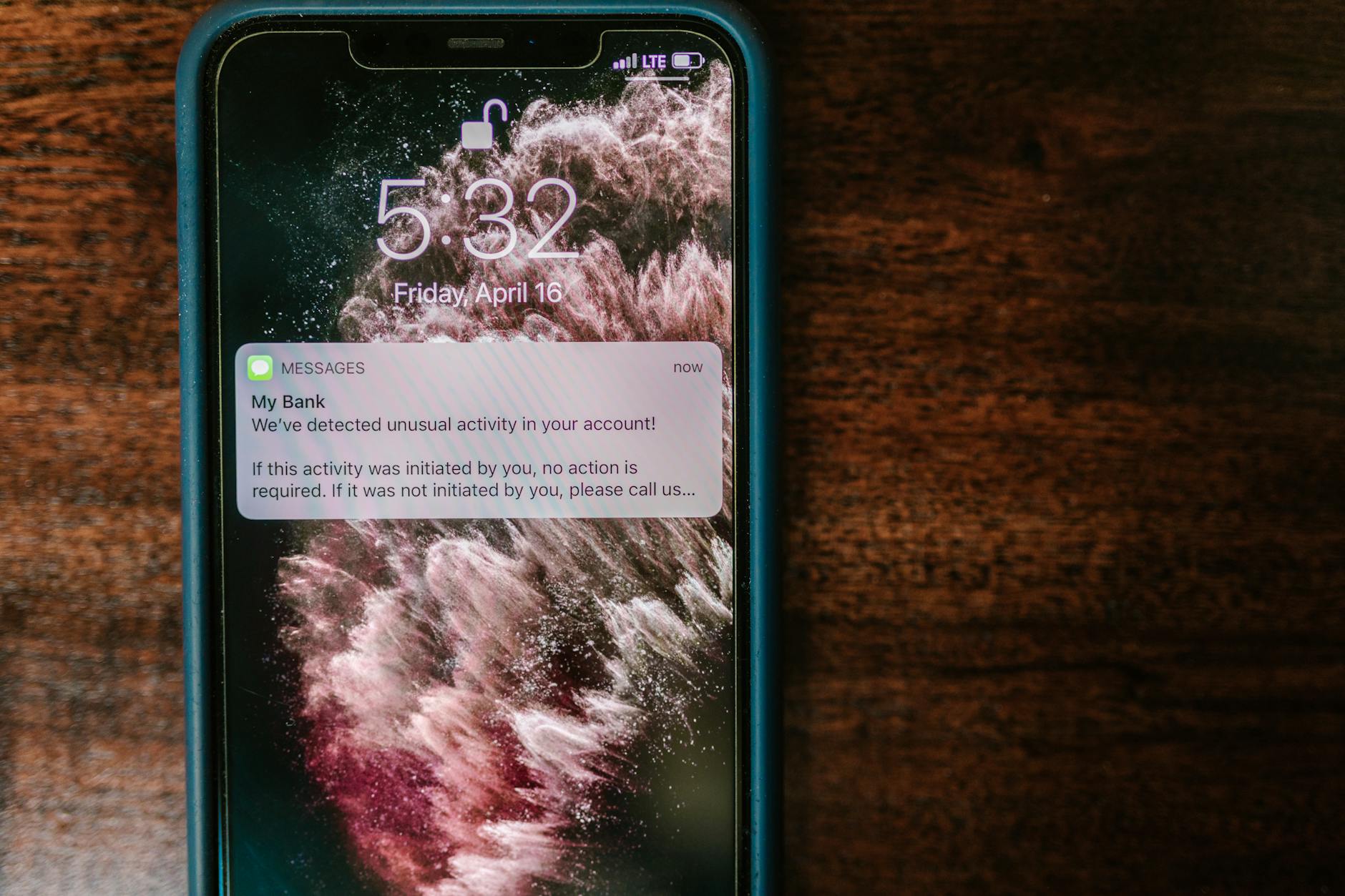
The Alert Fatigue Phenomenon
Emergency management researchers have documented a troubling trend: the more alerts people receive, the less likely they are to take action when genuine emergencies occur. Dr. Sarah Chen, who studies crisis communication at Georgetown University, explains that human psychology has natural limits for processing urgent information.
“When every missing person, weather event, or public safety issue triggers the same ear-piercing alert tone, people’s brains start categorizing all emergency notifications as routine interruptions,” Chen notes. “We’re seeing response rates drop significantly, even for life-threatening situations like tornado warnings or active shooter alerts.”
The problem extends beyond individual psychology to technological oversaturation. Modern smartphones can receive alerts from multiple sources: federal agencies, state authorities, local emergency management, weather services, and even campus security systems. Each entity operates with its own criteria for what constitutes an “emergency,” leading to a cacophony of competing warnings.
Recent studies tracking user behavior reveal alarming patterns. Survey data from the National Emergency Management Association shows that 68% of Americans now dismiss emergency alerts without reading them fully, up from 23% in 2019. Even more concerning, 41% of respondents reported disabling emergency notifications entirely on their devices, potentially cutting themselves off from critical information during actual disasters.
Geographic Overreach and Irrelevant Warnings
One of the most significant contributors to alert fatigue stems from geographic targeting failures. Current emergency alert systems often cast wide nets, sending notifications to millions of people who face no immediate danger. A missing child alert in Los Angeles reaches phones in San Diego, while tornado warnings issued for rural counties bombard urban residents 100 miles away.
This broad-brush approach creates particular problems in large metropolitan areas where multiple jurisdictions overlap. Residents of the Washington D.C. metro area, for example, regularly receive alerts from Virginia, Maryland, and the District itself, often for events occurring far from their location. The same pattern emerges around major cities like Chicago, Dallas, and Miami, where alert boundaries encompass vast regions with varying risk levels.
The geographic overreach problem intensifies during large-scale events. When Hurricane Ian struck Florida in 2022, residents across the Southeast received dozens of alerts over several days, many for areas hundreds of miles from the storm’s path. While officials argue that broad warnings help people prepare and assist others, the volume of notifications created confusion about actual threat levels and appropriate responses.
Technology limitations compound the geographic targeting challenges. The current Wireless Emergency Alert system relies on cell tower coverage areas rather than precise GPS locations, making it difficult to target warnings narrowly. A single cell tower might serve communities across county lines or state borders, automatically spreading alerts beyond their intended recipients.
The Dilution of True Emergencies
Perhaps most troubling is how alert overuse dilutes the impact of genuinely life-threatening warnings. When tornado sirens wail for the third time in a week – twice for watches that never materialized into actual storms – residents become less likely to seek shelter when a real twister approaches their neighborhood.
This dilution effect has tragic real-world consequences. Emergency response officials in Oklahoma report that tornado warning compliance has declined measurably in areas that frequently receive false or overly cautious alerts. Similarly, wildfire evacuation notices in California now compete with routine red flag warnings, making it harder for residents to distinguish between preparation and immediate action requirements.
The challenge intensifies with multi-hazard events, where legitimate emergencies unfold alongside routine alerts. During the February 2021 Texas winter storm, residents received dozens of emergency notifications about power outages, frozen pipes, and traffic conditions. When life-threatening carbon monoxide warnings arrived through the same channels, many people had already begun ignoring the constant stream of alerts.
AMBER Alerts present a particularly complex case study in dilution effects. Originally designed for the most serious child abduction cases, the program has expanded to include family disputes, custody violations, and missing children who may not face immediate danger. While each missing child deserves attention, the frequency of AMBER Alerts has diminished their psychological impact, potentially reducing public response when genuine abduction emergencies occur.
Reforming Emergency Communication Systems
Emergency management professionals are beginning to recognize the urgent need for alert system reform. Several states have started implementing tiered warning systems that distinguish between different threat levels, reserving the most intrusive notifications for immediate life-threatening situations.
Florida’s emergency management division recently adopted a three-tier system: critical alerts for imminent threats, advisory notifications for preparation activities, and informational updates for ongoing situations. Early data suggests this approach reduces alert fatigue while maintaining public awareness of developing emergencies. The system uses different tones, vibration patterns, and display formats to help recipients quickly assess the urgency level.
Geographic targeting improvements offer another promising avenue for reform. New technologies enabling precise location-based alerts are being tested in several metropolitan areas, allowing emergency managers to send warnings to specific neighborhoods or even individual buildings rather than entire counties. These pilot programs show significantly higher response rates and reduced complaint volumes compared to traditional broad-area alerts.
The integration of artificial intelligence and machine learning into alert systems represents the next frontier in emergency communication reform. These technologies can analyze historical response patterns, current conditions, and threat assessments to optimize alert timing, frequency, and targeting. Early implementations suggest AI-assisted systems can reduce false alerts by up to 40% while improving message relevance for recipients.

The path forward requires balancing public safety with communication effectiveness. Emergency officials must resist the temptation to alert frequently and broadly, instead focusing on clear, actionable warnings for genuine threats. This shift demands better coordination between agencies, improved technology systems, and public education about the different types of emergency communications.
The stakes couldn’t be higher. As climate change increases the frequency of natural disasters and other threats continue to evolve, effective emergency communication becomes more critical than ever. Reform efforts must address alert fatigue before it completely undermines public trust in emergency warning systems. The goal isn’t fewer alerts, but smarter ones – communications that cut through digital noise to deliver life-saving information when it matters most.
Frequently Asked Questions
How many emergency alerts do Americans receive annually?
Americans receive hundreds of emergency alerts yearly, with some regions sending multiple alerts daily, creating alert fatigue.
Why do people ignore emergency alerts?
Frequent irrelevant alerts and geographic overreach cause people to dismiss all emergency notifications as routine interruptions.