
Companies across America are quietly installing sleep surveillance systems on employee devices, turning bedtime into billable hours under the banner of wellness initiatives.
Major corporations including Johnson & Johnson, Bank of America, and Aetna have launched mandatory sleep tracking programs that monitor when workers go to bed, how long they sleep, and the quality of their rest. What started as optional wellness perks have evolved into required participation schemes where employee health data becomes corporate property.
The programs typically operate through wearable devices or smartphone apps that employees must download and use consistently. Companies frame these initiatives as caring about worker wellbeing, but the reality involves detailed biometric surveillance that extends far beyond traditional workplace boundaries.
The Mechanics of Sleep Surveillance
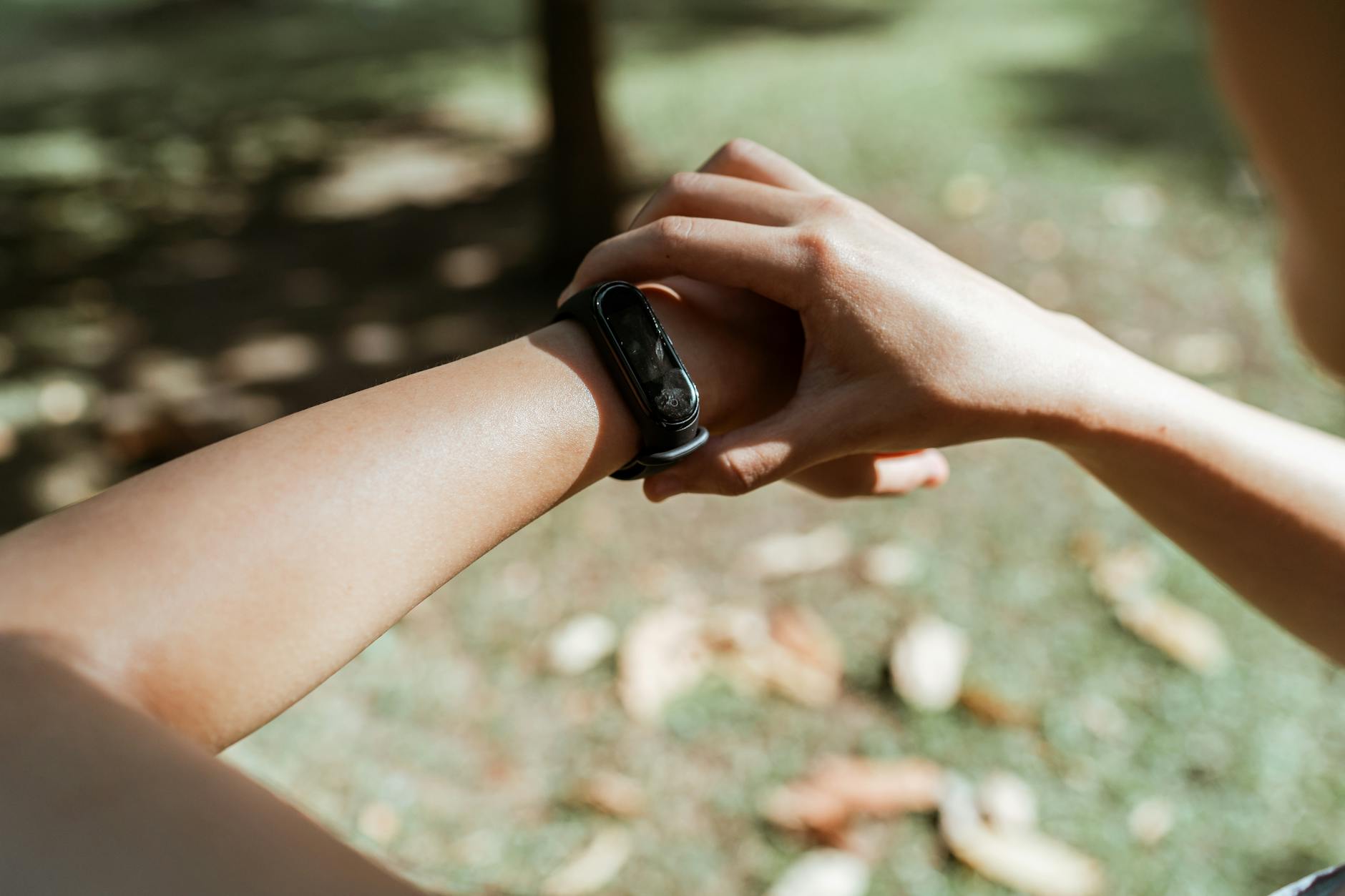
Corporate sleep tracking operates through a combination of wearable technology and mobile applications that monitor various sleep metrics throughout the night. Employees receive company-issued fitness trackers or are required to download specific apps that record sleep duration, sleep stages, movement patterns, and even heart rate variability during rest periods.
The data collection extends beyond simple sleep duration. Modern tracking systems monitor when employees fall asleep, how often they wake during the night, their sleep efficiency percentages, and even environmental factors like room temperature and noise levels. Some programs integrate with smart home devices to capture comprehensive sleep environment data.
Companies typically partner with wellness technology firms like Virgin Pulse, Thrive Global, or Fitbit Corporate Wellness to implement these systems. The platforms generate detailed reports showing individual and aggregate sleep patterns across departments, allowing managers to identify employees who may be “underperforming” in their rest habits.
Participation rates are tracked meticulously. Employees who fail to maintain consistent sleep tracking often face consequences ranging from higher health insurance premiums to exclusion from wellness program incentives. Some companies have implemented point systems where adequate sleep tracking contributes to performance evaluations or bonus eligibility.
The Business Case for Bedroom Monitoring
Corporate executives justify sleep surveillance through productivity and healthcare cost arguments. Studies show that sleep-deprived employees cost companies an estimated 11.3 days of lost productivity annually, leading businesses to view sleep as a measurable performance metric rather than personal time.
Companies argue that monitoring sleep patterns helps them identify at-risk employees before burnout occurs. By tracking sleep data alongside work performance metrics, managers can theoretically intervene when they notice correlation patterns between poor sleep and decreased output. This preemptive approach supposedly reduces sick days, turnover, and workers’ compensation claims.
The healthcare cost angle proves particularly compelling for self-insured companies. Poor sleep correlates with higher rates of diabetes, cardiovascular disease, and mental health issues. By monitoring and potentially improving employee sleep habits, companies project significant savings on health insurance claims and medical expenses.
Some organizations have restructured work schedules based on aggregate sleep data. If tracking reveals that employees consistently sleep poorly on Sunday nights, companies might adjust Monday morning meeting schedules or implement “slow start” policies. These data-driven decisions represent a fundamental shift in how businesses approach workforce management.

Privacy Concerns and Legal Gray Areas
The expansion of corporate surveillance into employee bedrooms raises significant privacy questions that existing employment law struggles to address. Unlike traditional workplace monitoring, sleep tracking captures data during personal time in private spaces, creating unprecedented intrusion into workers’ domestic lives.
Legal experts note that current employment privacy protections primarily focus on workplace activities. Sleep tracking occupies a gray area where companies can argue the data collection serves legitimate business interests while employees have limited recourse to refuse participation without risking employment consequences.
Data security presents another major concern. Sleep tracking platforms collect intimate information about employee health, relationships, and personal habits that extends far beyond traditional HR records. This sensitive data becomes vulnerable to breaches, and companies often share information with third-party wellness vendors and insurance providers.
Employee consent mechanisms in these programs often prove illusory. While companies technically offer “voluntary” participation, the reality involves significant pressure through differential insurance rates, missed bonuses, or social pressure from management. Workers who opt out frequently face subtle retaliation or career limitations.
Some privacy advocates draw parallels to the biometric shopping trends emerging in retail, where major retailers are replacing loyalty cards with biometric data collection, showing how corporate surveillance continues expanding across all aspects of consumer and employee life.
Employee Resistance and Workplace Impact
Worker pushback against mandatory sleep tracking has begun emerging through union negotiations and individual resistance strategies. Employees report feeling anxious about their sleep performance, creating a paradoxical situation where wellness programs actually increase stress and worsen sleep quality.
Some workers have developed workarounds to game the tracking systems. Common strategies include wearing devices while watching television to simulate sleep patterns, sharing trackers with family members, or using apps that generate fake sleep data. These countermeasures highlight the adversarial relationship that mandatory monitoring creates between employers and employees.
The psychological impact of sleep surveillance extends beyond individual anxiety. Employees report feeling like their most vulnerable and intimate moments are subject to corporate evaluation. This constant monitoring creates what researchers call “surveillance stress,” where workers feel perpetually observed even in their own homes.
Union representatives have begun challenging sleep tracking requirements in contract negotiations, arguing that mandatory biometric monitoring violates worker dignity and privacy rights. Several labor organizations are developing strategies to limit corporate surveillance expansion and protect member privacy.
The Future of Corporate Sleep Control
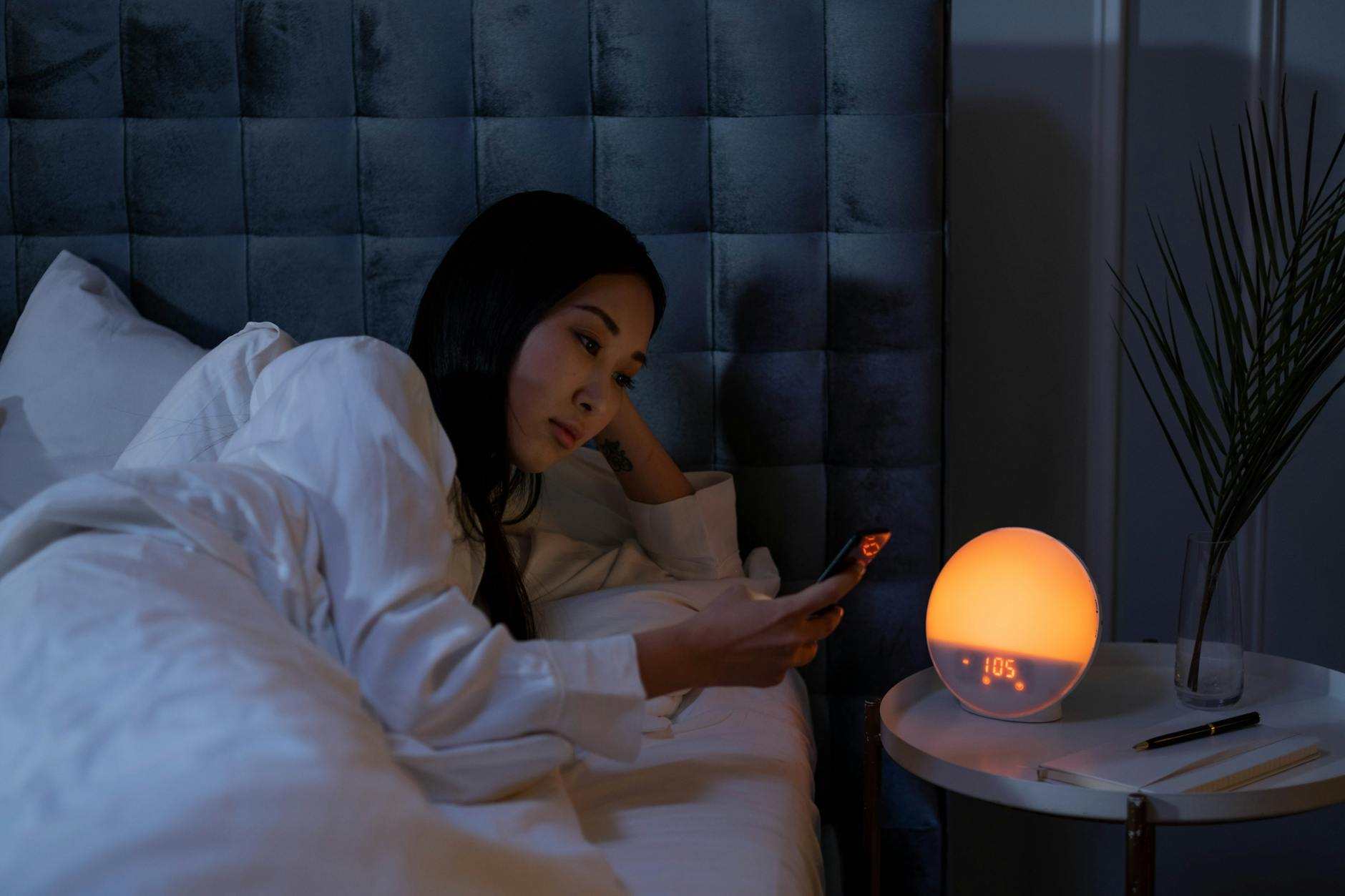
The trajectory toward expanded workplace biometric monitoring suggests that sleep tracking represents just the beginning of corporate surveillance evolution. Companies are already exploring integration with smart home systems, dietary tracking, and even monitoring employee social media activity for wellness indicators.
Technology developments promise even more invasive monitoring capabilities. Emerging sleep tracking systems can monitor multiple people in a household, potentially capturing data about employee family members and relationships. Some platforms are developing predictive algorithms that claim to forecast employee productivity based on sleep pattern analysis.
Regulatory responses remain limited, but growing privacy concerns may eventually prompt legislative action. Several states are considering employee privacy legislation that would restrict corporate biometric monitoring, though industry lobbying continues to resist meaningful limitations.
The normalization of sleep surveillance may fundamentally alter the employment relationship, creating a precedent where personal health data becomes a condition of employment. As companies continue expanding wellness program requirements, the boundary between personal life and workplace control continues dissolving, potentially creating a future where employee surveillance extends into every aspect of daily existence.
Frequently Asked Questions
Can employers legally require sleep tracking?
Currently yes, as most programs are framed as voluntary wellness initiatives with participation incentives rather than direct mandates.
What happens if employees refuse to participate?
Workers may face higher insurance premiums, missed bonuses, or exclusion from wellness program benefits, creating indirect pressure to comply.