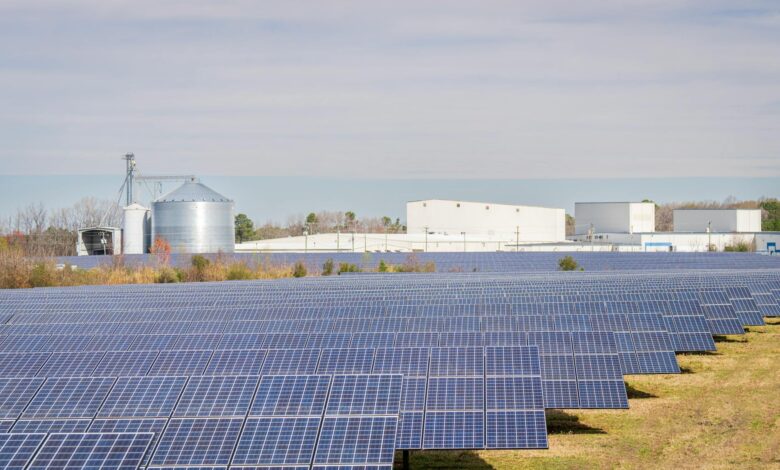
Energy companies are discovering that environmental, social, and governance investments aren’t just about corporate responsibility anymore – they’re becoming the primary driver of market valuations, investment flows, and competitive positioning. What started as voluntary sustainability reporting has evolved into a fundamental restructuring of how energy markets operate, price assets, and allocate capital.
The transformation is happening faster than most analysts predicted. BlackRock, the world’s largest asset manager with over $8 trillion in assets, now requires portfolio companies to disclose climate risks and transition plans. Vanguard has similarly integrated ESG factors into investment decisions across its funds. This institutional pressure creates a cascade effect throughout energy markets, where companies without strong ESG credentials find themselves increasingly isolated from capital.
Traditional oil and gas giants are responding by fundamentally altering their business models. ExxonMobil announced plans to achieve net-zero emissions by 2050, while Shell has committed to becoming a net-zero emissions energy business. These aren’t marketing statements – they represent massive capital reallocation away from traditional drilling operations toward renewable energy infrastructure, carbon capture technology, and clean fuel production.
The Capital Flight From Traditional Energy
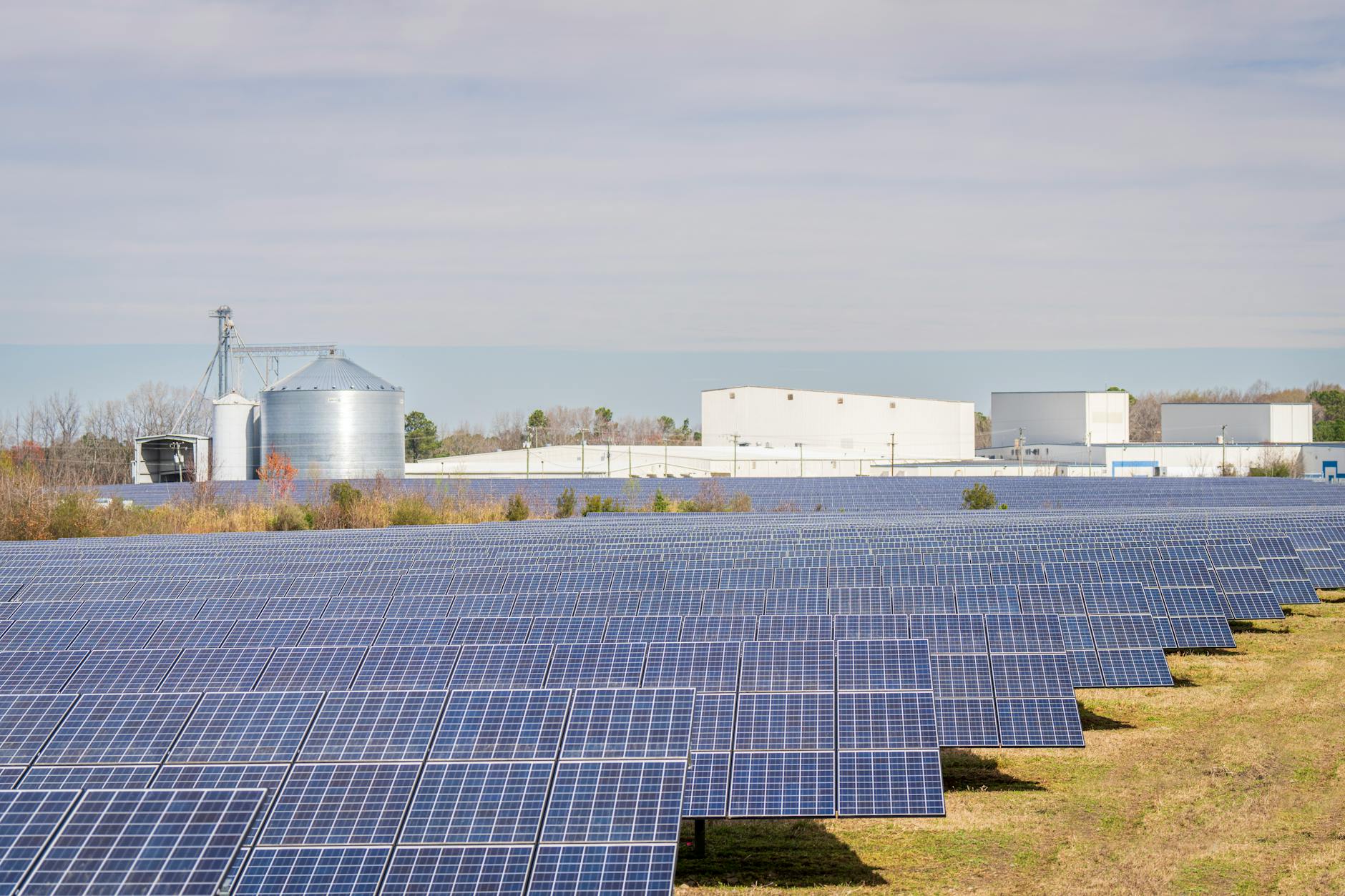
The most dramatic change is happening in capital markets, where ESG-focused investors control an estimated $35 trillion globally. This money is actively avoiding traditional fossil fuel investments and flowing toward renewable energy projects, energy storage companies, and clean technology developers.
Major pension funds and sovereign wealth funds are leading this shift. The California Public Employees’ Retirement System (CalPERS) divested from coal investments and reduced oil and gas holdings. Norway’s Government Pension Fund Global, worth over $1 trillion, has eliminated many oil and gas stocks from its portfolio. These moves force energy companies to compete for a shrinking pool of willing investors.
The result is a two-tier market structure. Clean energy companies trade at premium valuations while traditional energy companies face persistent discounts. NextEra Energy, a major renewable developer, commands a market capitalization that rivals ExxonMobil despite generating less revenue. Tesla’s market value exceeds that of most major oil companies combined, reflecting investor confidence in electric vehicle adoption over internal combustion engines.
Credit markets are following equity markets in this transition. Green bonds, which finance environmentally beneficial projects, reached record issuance levels. Meanwhile, traditional energy companies face higher borrowing costs as banks incorporate climate risk into lending decisions. JPMorgan Chase and Bank of America have both announced plans to align their lending portfolios with net-zero emissions targets by 2050.
Operational Transformation Across Energy Sectors
ESG investments are driving technological innovation and operational changes throughout the energy sector. Companies are discovering that sustainability initiatives often improve efficiency and reduce costs, creating competitive advantages beyond ESG compliance.
Oil refineries are investing heavily in renewable diesel production, converting vegetable oils and waste materials into transportation fuel. Phillips 66 has converted refineries to produce sustainable aviation fuel for airlines committed to reducing emissions. These facilities generate higher margins than traditional petroleum refining while meeting growing demand from ESG-conscious customers.

Natural gas companies are focusing on methane leak detection and prevention, using satellite monitoring and advanced sensors to minimize emissions. These investments reduce waste, improve profitability, and address one of the most significant environmental concerns about natural gas production. Companies with strong leak prevention programs are attracting premium pricing from utilities and industrial customers.
Electric utilities are accelerating renewable energy deployment while retiring coal plants ahead of schedule. Duke Energy plans to invest $145 billion in clean energy infrastructure through 2030. Southern Company is developing advanced nuclear technology alongside solar and wind projects. These investments reflect both ESG commitments and economic reality – renewable energy costs have fallen below fossil fuel alternatives in most markets.
The transformation extends beyond energy production to energy consumption. Corporate customers are demanding renewable energy certificates and power purchase agreements from clean sources. Amazon, Microsoft, and Google are among the largest corporate renewable energy buyers, driving demand that supports new wind and solar development. This corporate procurement is creating long-term revenue streams that make renewable projects more attractive to investors.
Regulatory and Policy Acceleration
Government policies are amplifying ESG investment impacts through regulations, incentives, and disclosure requirements. The European Union’s Taxonomy Regulation defines which economic activities qualify as environmentally sustainable, creating clear standards for ESG investments. Similar frameworks are developing in other major markets.
The United States Infrastructure Investment and Jobs Act allocated significant funding for clean energy infrastructure, electric vehicle charging networks, and grid modernization. The Inflation Reduction Act extended tax credits for renewable energy and created new incentives for clean technology manufacturing. These policies reduce investment risks and improve returns for ESG-focused energy projects.
Securities regulators are implementing mandatory climate risk disclosure requirements. The SEC has proposed rules requiring public companies to report greenhouse gas emissions and climate-related financial risks. Similar requirements are being implemented globally, creating standardized ESG metrics that investors can use to compare energy companies.
State-level policies are also driving change. California’s cap-and-trade system puts a price on carbon emissions, creating financial incentives for clean energy investments. Texas, despite its oil and gas heritage, leads the nation in wind power generation due to favorable policies and strong wind resources. These regional policies create market opportunities that ESG investors are eager to support.

Market Structure Evolution and Future Implications
The convergence of ESG investing and energy markets is creating new industry segments and business models. Energy storage companies like Tesla’s Megapack division are becoming major players as utilities need backup power for intermittent renewable sources. Companies developing carbon capture and storage technology are attracting significant investment as industries seek to reduce emissions.
Traditional energy infrastructure is being repurposed for clean energy applications. Natural gas pipelines are being converted to carry hydrogen fuel. Oil refineries are being transformed into renewable fuel production facilities. Coal plants are being converted to biomass or natural gas, extending their operating lives while reducing emissions.
The shift toward renewable energy is creating new geographic centers of energy production. West Texas, with abundant wind resources, is becoming a major renewable energy hub. Offshore wind development is transforming coastal economies from Massachusetts to Virginia. These changes are redistributing energy industry employment and investment across different regions.
As ESG investments continue reshaping energy markets, the pace of change is likely to accelerate rather than slow. The companies that successfully navigate this transition will be those that view ESG not as a compliance requirement but as a fundamental business strategy. The energy sector that emerges from this transformation will look dramatically different from today’s oil and gas dominated landscape, with renewable energy, energy storage, and clean technology companies playing central roles in powering the global economy.
Frequently Asked Questions
How much money is involved in ESG energy investing?
ESG-focused investors control approximately $35 trillion globally, with significant portions flowing toward clean energy and away from traditional fossil fuels.
What changes are oil companies making due to ESG pressure?
Major oil companies are committing to net-zero emissions by 2050, investing in renewable energy, and converting facilities to produce sustainable fuels.