Courts across America are delivering verdicts that state lawmakers never saw coming. Climate change litigation is forcing legislative bodies to rewrite environmental policies, overturn fossil fuel protections, and redirect billions in state spending – often against their original political intentions.
The wave of successful climate lawsuits represents a seismic shift in how environmental policy gets made in America. Where legislative gridlock once protected the status quo, judicial orders now mandate action. State attorneys general who once dismissed climate concerns are scrambling to craft compliance strategies, while lawmakers who championed fossil fuel industries watch their carefully constructed policies crumble under court scrutiny.
This legal revolution is reshaping state politics from Montana to Massachusetts, forcing politicians to confront climate science in courtrooms where campaign donations and party loyalty carry no weight.
Montana’s Constitutional Climate Victory Sets National Precedent
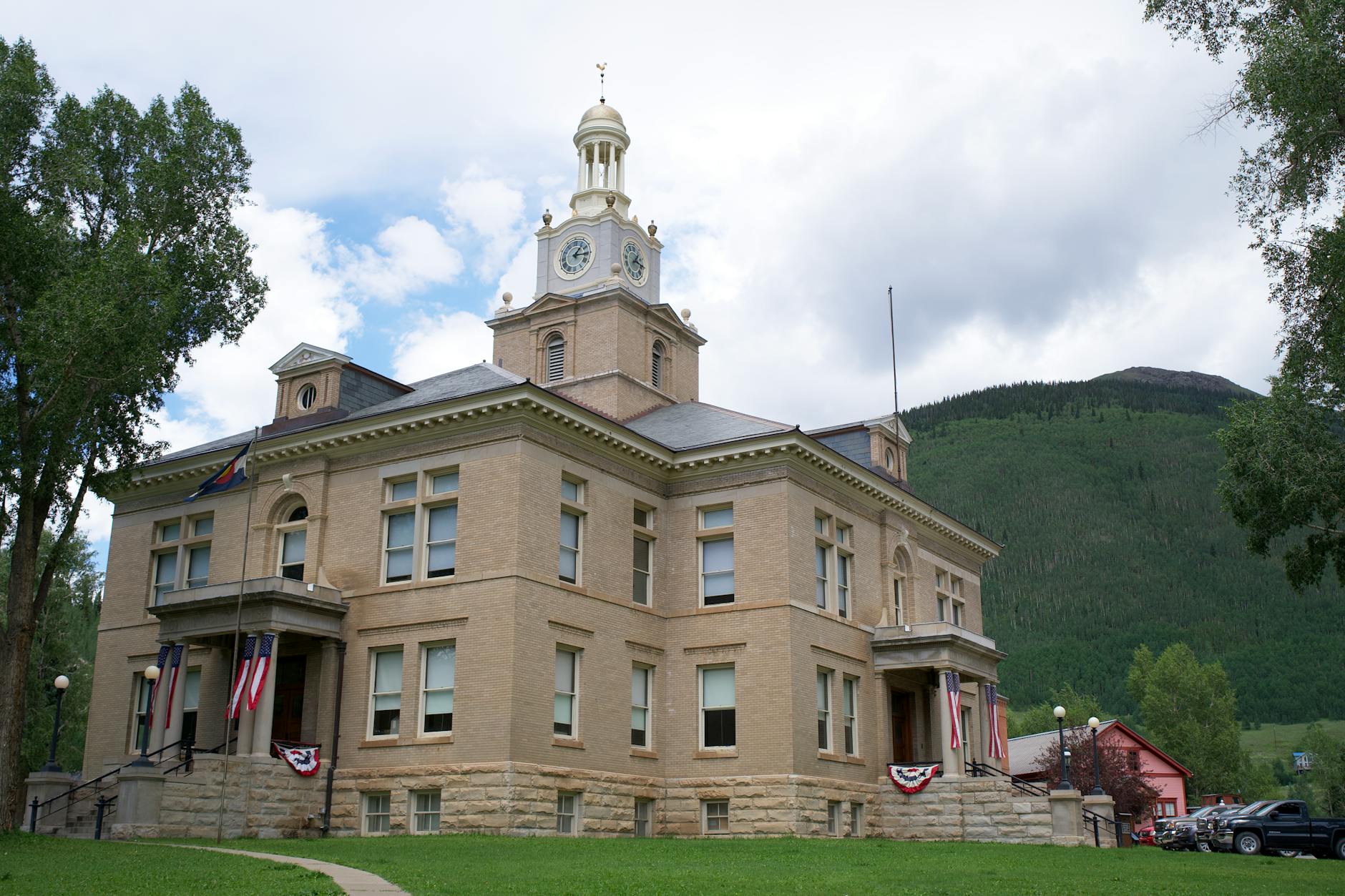
Montana’s Held v. State case marked the first time a U.S. court ruled that government actions violating constitutional environmental rights were unconstitutional. The state’s youth plaintiffs successfully argued that Montana’s pro-fossil fuel policies violated their constitutional right to a clean and healthful environment.
District Court Judge Kathy Seeley’s August 2023 ruling invalidated key provisions of the Montana Environmental Policy Act that prohibited agencies from considering climate impacts when reviewing fossil fuel projects. The decision effectively reversed decades of legislative work designed to streamline oil, gas, and coal development.
Montana’s Republican-controlled legislature had spent years crafting laws that explicitly prevented state agencies from weighing greenhouse gas emissions in permitting decisions. These policies, championed by lawmakers who viewed climate regulations as economic threats, suddenly became legally unenforceable.
The ruling forced immediate policy reversals. State agencies that had rubber-stamped drilling permits under legislative directives now must conduct comprehensive climate impact assessments. The Montana Department of Environmental Quality, previously constrained by legislative mandates, gained new authority to reject projects based on carbon emissions.
Governor Greg Gianforte’s administration initially signaled an appeal, but the legal precedent has already influenced pending legislation. Republican lawmakers who previously dismissed climate concerns now craft bills with constitutional environmental provisions in mind.
Washington State’s Carbon Cap Survives Legal Challenge
Washington State’s cap-and-invest program faced fierce legal challenges from Republican legislators and business groups who argued the carbon pricing system exceeded state authority. The litigation sought to overturn Democratic Governor Jay Inslee’s signature climate policy through constitutional challenges.
The Washington State Supreme Court’s decision upholding the program in 2023 didn’t just preserve existing policy – it emboldened lawmakers to expand climate regulations. Legislative opponents who had hoped courts would invalidate carbon pricing found themselves defending against even more aggressive climate measures.
Republican legislators who previously focused on repealing the Climate Commitment Act now advocate for “market-friendly” alternatives rather than outright opposition. The legal validation shifted the political debate from whether Washington should price carbon to how those revenues should be spent.
The court victory enabled Democratic legislators to advance additional climate policies they had previously considered too legally risky. Bills requiring net-zero emissions from state operations and mandating climate disclosures for large corporations gained traction after the constitutional questions were resolved.
Business groups that had hoped legal challenges would derail Washington’s climate agenda now engage in policy negotiations rather than wholesale opposition. The litigation outcome fundamentally changed the state’s political landscape around environmental regulation.

Oil Company Lawsuits Drive Infrastructure Policy Shifts
California’s ongoing litigation against major oil companies has pressured state lawmakers to accelerate policies they had previously approached cautiously. Attorney General Rob Bonta’s lawsuits seeking damages for climate-related infrastructure costs have created political momentum for aggressive climate policies.
The legal strategy frames fossil fuel companies as liable for billions in adaptation costs, from sea-level rise protection to wildfire prevention. This litigation approach has shifted legislative debates from whether California should invest in climate resilience to how quickly those investments can be made.
Democratic lawmakers who once worried about the economic impacts of rapid decarbonization now cite the legal cases as justification for bold action. The litigation provides political cover for policies that might otherwise face business community opposition.
Assembly members who previously sought gradual transitions away from fossil fuels now champion accelerated timelines, arguing that delayed action increases the state’s legal exposure. The lawsuits have effectively made aggressive climate policy a fiscal responsibility rather than an environmental luxury.
Republican legislators, while opposing the litigation strategy, have been forced to engage with climate adaptation discussions rather than simply denying climate impacts. The legal framework makes climate costs a budgetary reality that transcends partisan politics.
Similar legal strategies are emerging in other states, where attorneys general view climate litigation as both an environmental tool and a revenue opportunity. These cases promise to influence legislative priorities nationwide as state lawmakers grapple with potential legal liabilities.
Federal Court Decisions Reshape State Energy Planning
Federal court rulings on environmental reviews have forced state energy regulators to reconsider policies they thought were settled law. The Supreme Court’s recent decisions on agency authority have paradoxically strengthened some climate regulations while weakening others, creating complex compliance challenges for state lawmakers.
State utility commissions that previously enjoyed broad discretion in energy planning now face stricter judicial oversight of environmental reviews. Courts are requiring more thorough climate impact assessments for power plant approvals, forcing state regulators to adopt policies they had resisted.
The legal uncertainty has prompted state legislators to preemptively strengthen environmental review requirements rather than risk court-ordered policy changes. Lawmakers prefer crafting their own regulations to having judges impose standards through litigation remedies.
Energy industry representatives who once relied on sympathetic state regulators now must navigate judicial scrutiny that applies federal environmental standards to state decisions. This shift has altered the political dynamics around energy policy across multiple states.
The changing legal landscape has influenced broader political coalitions, as [infrastructure messaging becomes increasingly important for rural Democrats](https://daily-news-guide.com/why-rural-democrats-are-winning-gop-strongholds-through-infrastructure-messaging/) seeking to build support for climate-resilient energy systems.
The Future of Climate Law and State Politics
Climate litigation is fundamentally rewiring American federalism, as courts increasingly override state legislative preferences on environmental issues. State lawmakers who once viewed climate policy as optional now confront legal mandates that treat environmental protection as a constitutional requirement.
The success of youth climate cases in particular has emboldened a new generation of environmental advocates who prefer courthouse strategies to traditional lobbying. These legal victories create binding precedents that outlast electoral cycles and resist political reversals.
State attorneys general are emerging as key climate policy actors, wielding litigation as a tool that can accomplish what legislative processes cannot. Their legal strategies are shaping state policies in ways that traditional political campaigns never could.
As climate litigation expands, state lawmakers face growing pressure to proactively address environmental issues rather than wait for court orders. The legal revolution in climate policy appears to be just beginning, with implications that will reshape American environmental governance for decades to come.
Frequently Asked Questions
How are climate lawsuits affecting state policies?
Courts are ordering policy reversals, invalidating pro-fossil fuel laws, and mandating climate impact assessments for state projects.
Which states have seen major climate litigation victories?
Montana’s Held v. State case set precedent, while Washington’s carbon cap survived legal challenges and California pursues oil company damages.