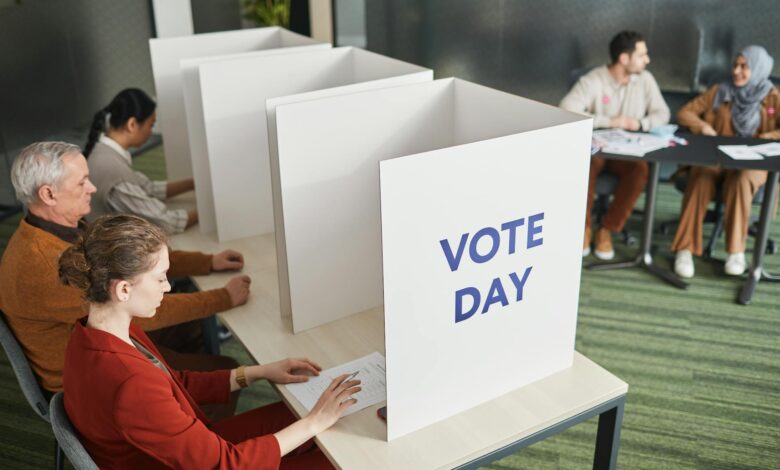
Taylor Swift’s endorsement of Kamala Harris reached 337 million Instagram followers in October. Yet exit polls showed young voters split nearly evenly across party lines, suggesting the era of celebrity political influence may be waning among America’s most digitally native generation.
Gen Z voters, born between 1997 and 2012, are demonstrating unprecedented skepticism toward celebrity political endorsements. Unlike previous generations who looked to Hollywood stars and musicians for political guidance, these young Americans are increasingly viewing celebrity activism as performative rather than persuasive.
The shift represents a fundamental change in how political influence operates in the social media age, where authenticity matters more than star power and peer-to-peer recommendations carry greater weight than celebrity proclamations.
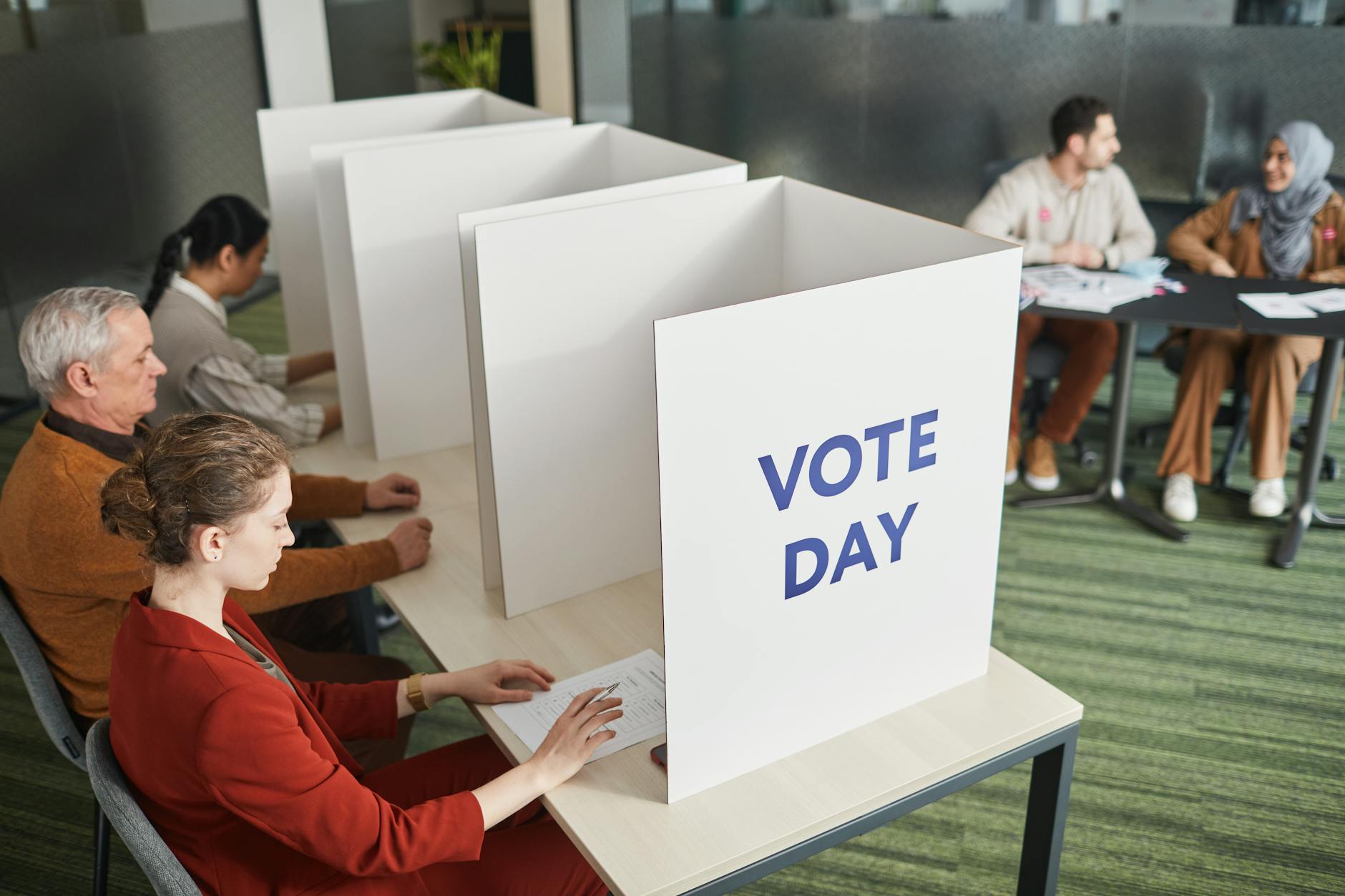
The Authenticity Gap Widens
Gen Z’s relationship with celebrity culture differs dramatically from millennials and older generations. Having grown up with social media, they’ve witnessed the behind-the-scenes machinery of celebrity image management and brand partnerships. This exposure has created what researchers call “influence fatigue” – a deep skepticism toward any content that appears sponsored or strategically motivated.
“When celebrities post about voting, it often feels like another sponsored post,” says Maria Rodriguez, a 20-year-old college student from Arizona. “We can tell the difference between someone who genuinely cares about an issue and someone whose publicist told them to post about it.”
This skepticism extends beyond political endorsements to all forms of celebrity influence. Recent surveys show Gen Z trusts peer recommendations and micro-influencers significantly more than traditional celebrities. When Ariana Grande or Leonardo DiCaprio posts about voting, young audiences often respond with eye-roll emojis and comments questioning their motives.
The generational divide is stark. While 68% of baby boomers report that celebrity endorsements influence their political thinking, only 32% of Gen Z voters say the same, according to recent polling data. This represents the largest generational gap in celebrity political influence since polling began tracking this metric in the 1990s.
Social media algorithms compound this trend. Gen Z users increasingly exist in personalized information bubbles where they follow accounts that already align with their political views. Celebrity endorsements rarely penetrate these bubbles, and when they do, they’re often met with resistance rather than persuasion.
Peer Networks Replace Star Power
Instead of looking to celebrities, Gen Z voters rely heavily on their immediate social networks for political information and influence. Group chats, Discord servers, and close friend Instagram stories carry more weight than red carpet statements or magazine interviews.
This shift reflects broader changes in how young people consume information. Traditional gatekeepers like entertainment magazines and talk show hosts have less influence over Gen Z political opinions. Instead, young voters trust friends, classmates, and online communities they’ve built around shared interests.
TikTok plays a crucial role in this peer-to-peer political influence. While celebrities maintain large followings on the platform, the algorithm often prioritizes content from regular users over verified accounts. Political content that resonates with Gen Z typically comes from their peers – college students discussing campus issues, young workers sharing workplace experiences, or activists from their own communities.
The platform’s structure inherently democratizes influence. A 19-year-old discussing student loan policy can reach more engaged viewers than a celebrity endorsing a candidate. This algorithmic equality has reshaped how political messages spread among young voters.
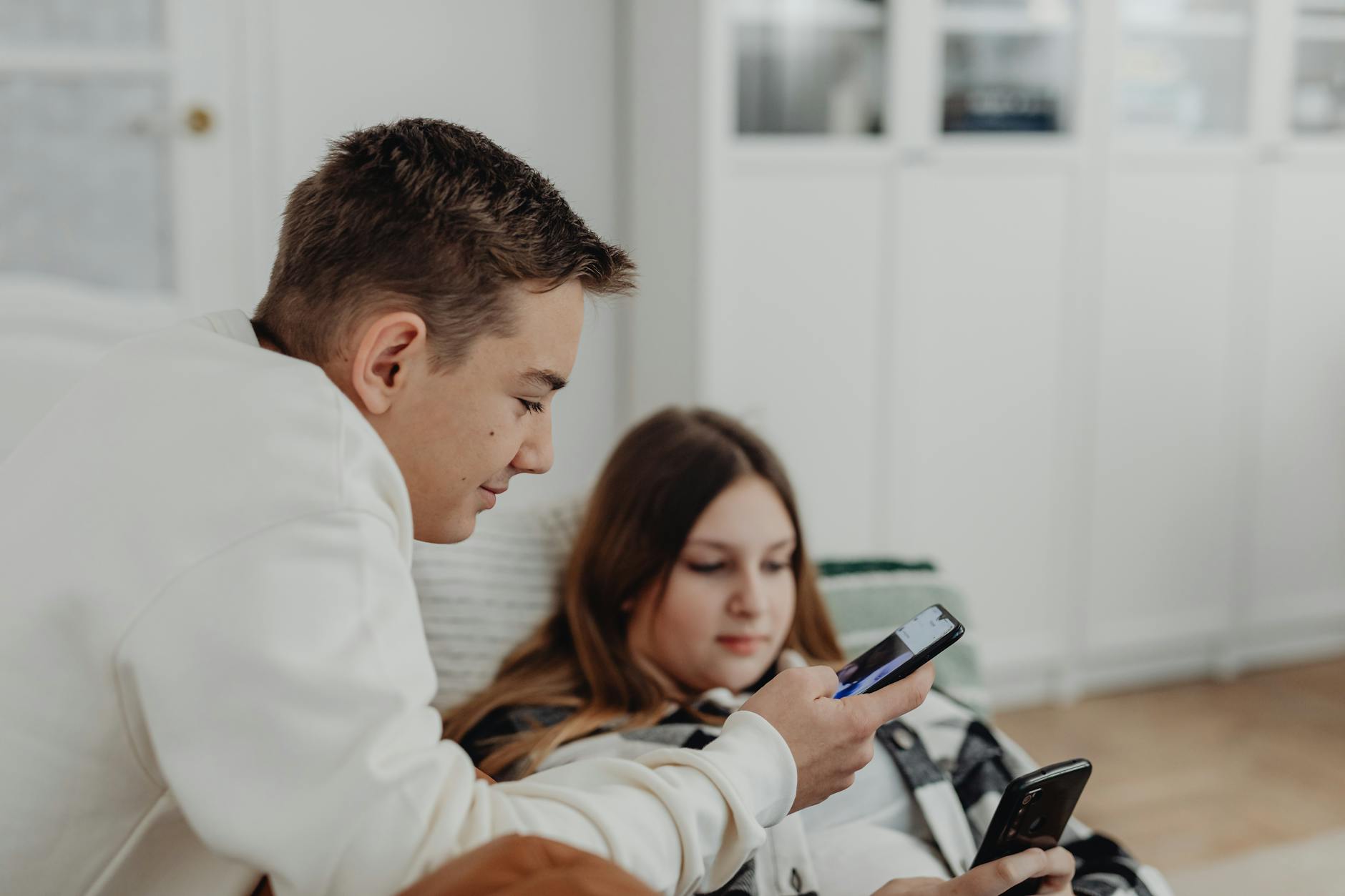
Research from political science departments at major universities confirms this trend. Young voters report being more likely to research candidates based on recommendations from friends than celebrity endorsements. They’re also more likely to fact-check information that comes from celebrity sources, viewing it with inherent suspicion.
The peer influence model extends to political organizing as well. Gen Z-led movements like March for Our Lives and climate activism efforts gain momentum through grassroots organizing rather than celebrity backing. While celebrity support doesn’t hurt these movements, it’s rarely the catalyst for sustained engagement among young people.
The Rise of Issue-Based Authenticity
When celebrities do influence Gen Z political thinking, it’s typically through long-term advocacy rather than election-season endorsements. Young voters respond more positively to celebrities who demonstrate consistent commitment to specific issues over time.
Environmental activists like Jane Fonda, who has been arrested multiple times for climate protests, maintain credibility with young audiences. Similarly, celebrities who use their platforms to consistently advocate for specific policies – rather than just endorsing candidates – tend to retain influence among Gen Z voters.
The key difference lies in perceived authenticity. Gen Z can distinguish between celebrities who adopt causes for publicity and those who genuinely champion issues. They reward consistency and personal sacrifice while rejecting what they perceive as performative activism.
This dynamic creates challenges for political campaigns seeking celebrity endorsements. Traditional celebrity endorsement strategies – rallies, social media posts, and fundraising events – often fail to move young voters. Instead, campaigns must focus on demonstrating authentic connections between celebrities and specific policy positions.
The trend also reflects Gen Z’s issue-based approach to politics. Rather than supporting candidates based on party affiliation or celebrity endorsements, young voters prioritize specific policy positions. They’re more likely to vote for candidates who support climate action, student debt relief, or housing affordability regardless of which celebrities endorse them.
Some political strategists are adapting to this reality. Instead of seeking high-profile celebrity endorsements, campaigns are partnering with micro-influencers and community leaders who have genuine connections to young voters. This approach recognizes that influence now operates at a more granular, community-based level.
Traditional Media Loses Ground to Direct Communication
Gen Z’s skepticism toward celebrity political influence reflects broader changes in media consumption patterns. Traditional celebrity-driven media outlets struggle to reach young audiences who increasingly get political information directly from candidates and campaigns through social media.
Platforms like Instagram, TikTok, and Twitter allow politicians to communicate directly with voters without celebrity intermediaries. Young voters often prefer this direct communication style, viewing it as more authentic than celebrity-filtered messages. They want to hear from candidates themselves rather than through celebrity surrogates.
This preference for direct communication aligns with broader trends in political engagement. Political fundraising apps are replacing traditional donor events, reflecting young people’s preference for streamlined, authentic political participation over celebrity-studded galas and endorsement events.
The shift has implications for how campaigns allocate resources. Money previously spent on celebrity endorsements and events increasingly goes toward digital advertising, grassroots organizing, and direct voter outreach. Campaigns recognize that reaching Gen Z requires different strategies than previous generations.
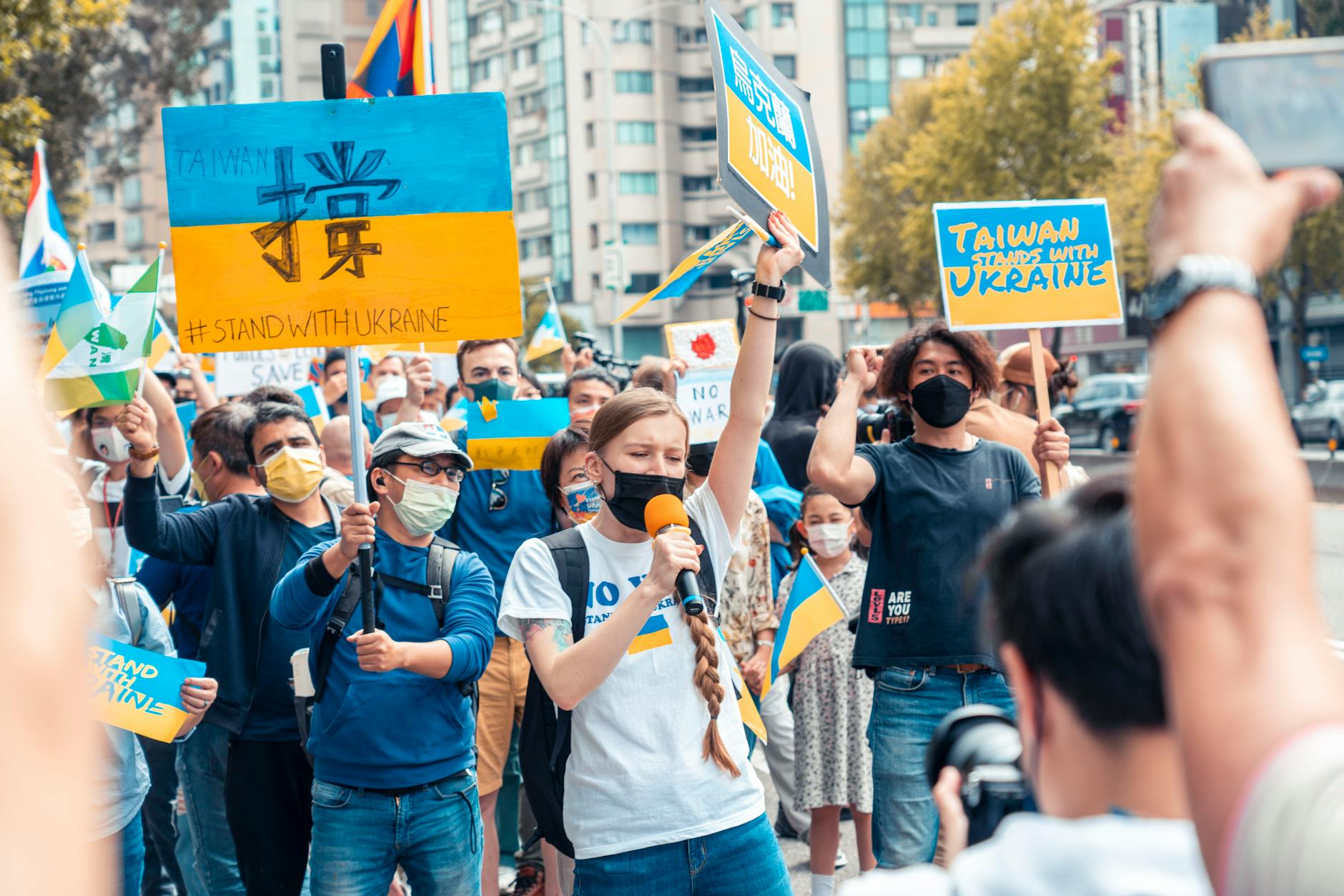
Traditional political consulting firms are adapting their celebrity endorsement strategies accordingly. Rather than seeking broad celebrity endorsements, they focus on authentic connections between specific celebrities and policy issues that matter to young voters. The emphasis shifts from star power to credible advocacy.
The Future of Political Influence
As Gen Z becomes a larger share of the electorate, their skepticism toward celebrity political endorsements will likely reshape campaign strategies across the political spectrum. The generation’s preference for peer networks, authentic advocacy, and direct communication suggests that political influence is becoming more democratized and community-based.
This trend coincides with broader changes in electoral politics. Independent voters are reshaping primary outcomes, reflecting similar desires for authentic, issue-based political representation rather than celebrity-driven politics.
Political campaigns must now invest more heavily in grassroots organizing and direct voter engagement rather than high-profile endorsement events. The future of political influence lies not in celebrity star power but in authentic community connections and peer-to-peer advocacy networks that resonate with young voters’ values and communication preferences.
The implications extend beyond electoral politics to broader questions about influence and authenticity in the digital age. As the most digitally native generation reaches voting age, their skepticism toward traditional forms of celebrity influence may reshape not just politics but advertising, marketing, and public discourse more broadly.
Frequently Asked Questions
Why don’t celebrity endorsements influence Gen Z voters?
Gen Z has grown up with social media and can distinguish between authentic advocacy and performative celebrity activism, leading to widespread skepticism.
What influences Gen Z political opinions instead of celebrities?
Young voters rely heavily on peer networks, social media communities, direct candidate communication, and issue-based advocacy rather than celebrity endorsements.